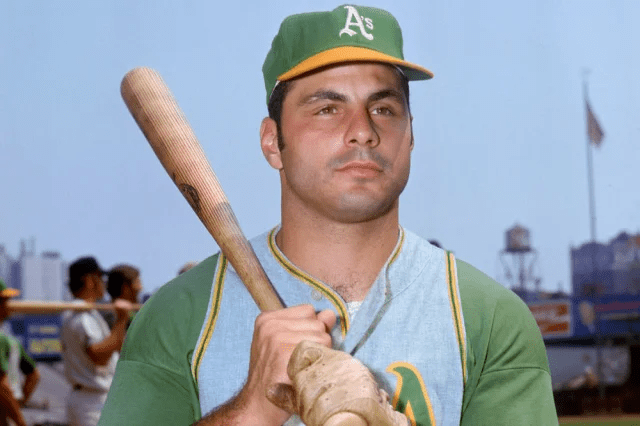
Salvatore Leonard Bando, known to the baseball world as Sal Bando, was one of the most accomplished third basemen of his era, playing primarily for the Oakland Athletics during their championship years in the 1970s. With a career that spanned from 1966 to 1981, Bando left an indelible mark on the game through his leadership, clutch performances, and consistent play on both sides of the ball. His contributions to the Athletics’ dynasty of the early 1970s, his later career with the Milwaukee Brewers, and his post-playing career as an executive all highlight the significant influence he had on Major League Baseball (MLB).
Sal Bando was born on February 13, 1944, in Cleveland, Ohio, and grew up in a sports-loving household. From an early age, he exhibited a natural talent for baseball, excelling at Warrensville Heights High School. Bando’s strong arm, quick reflexes, and leadership abilities were evident even in his teenage years, setting the foundation for a successful career.
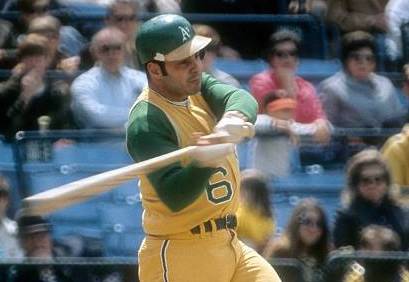
Following high school, Bando attended Arizona State University (ASU), where he played under legendary coach Bobby Winkles. ASU was known for producing elite baseball talent, and Bando quickly established himself as a standout performer. His leadership skills shone through when he captained the Sun Devils to the College World Series championship in 1965, a feat that put him on the radar of MLB scouts. His performance during his college career, particularly his clutch hitting and defensive prowess, cemented his status as a top prospect, and he was selected by the Kansas City Athletics in the sixth round of the 1965 MLB Draft.
Bando made his MLB debut on September 3, 1966, with the Kansas City Athletics, a franchise that was in the midst of a transition. Initially struggling to find consistent playing time, he gradually earned his spot in the lineup. When the team relocated to Oakland in 1968, Bando’s career took off.
The 1969 season marked Bando’s emergence as an everyday player and a key contributor to the Athletics’ lineup. Playing in an era that heavily favored pitchers, Bando managed to put up respectable numbers, hitting .281 with 31 home runs and 113 RBIs. This breakout year signaled his arrival as one of the league’s premier third basemen, and his steady presence at the hot corner helped stabilize the team during their rebuilding phase.
Bando’s early career was also shaped by his mentorship under veteran players and managers, who helped him refine his approach at the plate and in the field. His combination of power and discipline allowed him to become a consistent threat in the middle of the Athletics’ lineup.

The early 1970s saw the Oakland Athletics rise to dominance in the American League, and Bando was at the heart of their success. As team captain, he led by example, guiding a roster filled with colorful personalities and immense talent. The Athletics won three consecutive World Series titles from 1972 to 1974, and Bando’s leadership was instrumental in their postseason triumphs.
During the 1973 season, Bando posted career highs in nearly every offensive category, including a .287 batting average, 29 home runs, and 98 RBIs. His ability to deliver in clutch situations made him a feared hitter in high-pressure games. In the postseason, his bat remained steady, and he contributed key hits during the Athletics’ championship runs.
Despite sharing the spotlight with other stars like Reggie Jackson and Catfish Hunter, Bando’s contributions were equally significant. His defensive skills were often overlooked, but his quick reflexes, strong arm, and leadership on the field made him a cornerstone of the team. He also played a crucial role in managing clubhouse dynamics, serving as a mediator and leader in an era when player personalities often clashed.
Bando’s statistical accomplishments reflect his consistent excellence throughout his career. Over 16 MLB seasons, he amassed 1,790 hits, 242 home runs, and 1,039 RBIs while maintaining a career .254 batting average. While not the flashiest player, his ability to contribute both offensively and defensively earned him four All-Star selections and a reputation as one of the most reliable third basemen of his time.
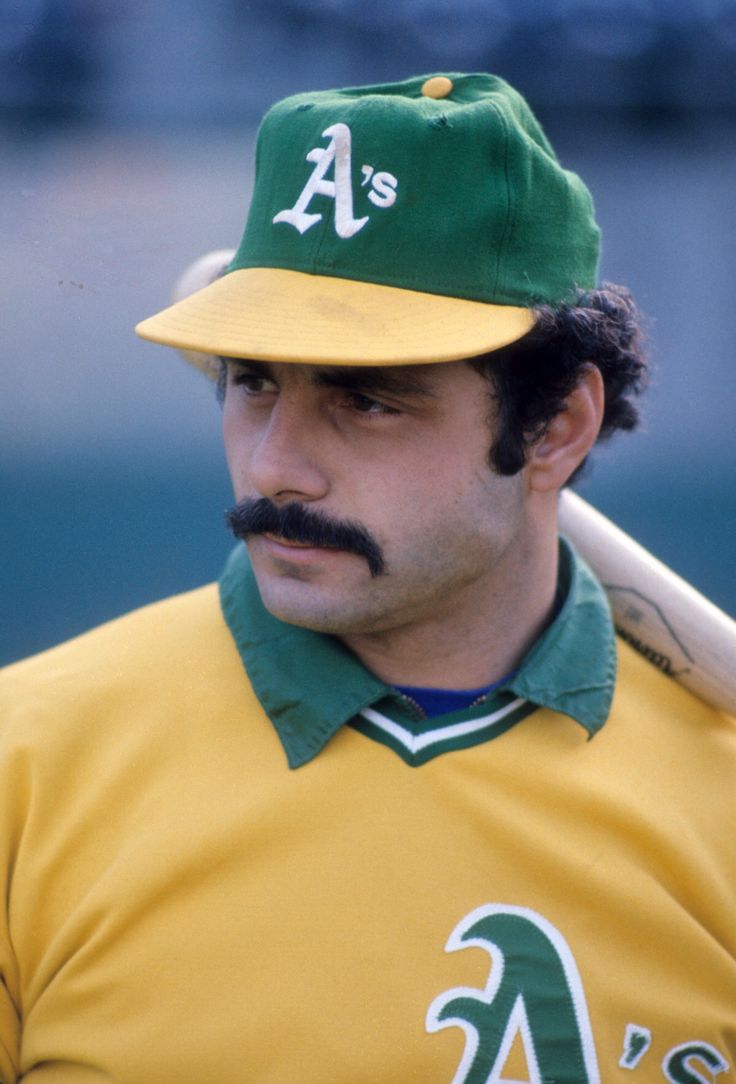
One of Bando’s most notable performances came in 1969, when he hit two home runs and drove in seven RBIs in a single game against the Minnesota Twins. Such performances highlighted his ability to rise to the occasion and deliver in crucial moments. In postseason play, Bando hit five home runs and collected 13 RBIs, including key hits in World Series matchups that solidified his place in Athletics lore.
Bando also led the league in doubles in 1973, showcasing his ability to hit for power and drive in runs consistently. He finished in the top 10 of MVP voting multiple times, further underscoring his impact on the game.
After spending a decade with the Athletics, Bando signed with the Milwaukee Brewers as a free agent in 1977. Although he was entering the twilight of his career, he continued to provide veteran leadership and valuable production. In Milwaukee, he served as a mentor to younger players and helped guide the team to competitive seasons.
Bando’s experience and professionalism made him a respected figure within the Brewers organization, and he remained a valuable contributor until his retirement after the 1981 season. His leadership qualities eventually led him to an executive role with the franchise.
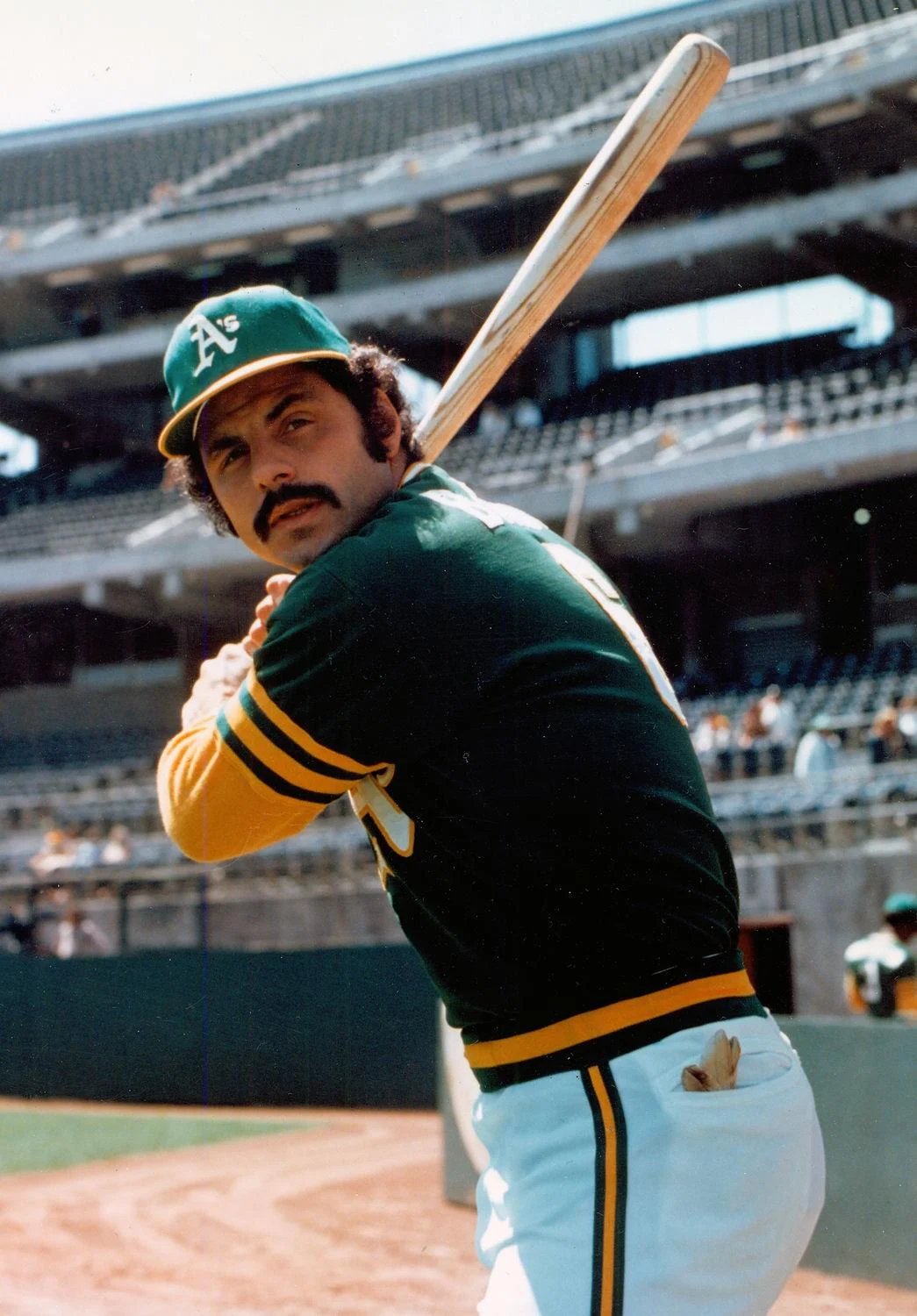
Following his retirement as a player, Bando transitioned to a front-office role, serving as the general manager of the Milwaukee Brewers from 1991 to 1999. As a GM, he applied his on-field experience to roster building and player development. Although the team did not achieve significant success during his tenure, his efforts to modernize the organization laid the groundwork for future improvements.
Bando remained active in the baseball community, often participating in alumni events and serving as an ambassador for the sport. His insights and experiences made him a sought-after speaker and mentor for aspiring players and executives alike.
Despite not being inducted into the Baseball Hall of Fame, Bando’s legacy is firmly cemented within the Athletics organization. He was inducted into the A’s Hall of Fame, and his contributions to the team’s dynasty years are celebrated by fans and historians. His leadership, consistency, and impact on the game are remembered as a blueprint for future generations of players.
Bando’s influence extended beyond statistics; he exemplified the qualities of a true professional and leader. His ability to perform under pressure, mentor younger teammates, and handle the demands of being a team captain make him a revered figure in baseball history.

Sal Bando’s MLB career is a testament to perseverance, leadership, and excellence. From his early days in Cleveland to his championship years in Oakland and his role as an executive in Milwaukee, he embodied the essence of a consummate professional. His impact on the game, both as a player and an executive, continues to be felt, and his contributions to the Athletics’ dynasty remain a defining part of baseball’s storied history.



 The Baseball Scholar
Leave a comment