
Sammy Sosa’s career is one of the most fascinating and polarizing in the history of Major League Baseball (MLB). Known for his incredible power, charismatic personality, and unparalleled ability to connect with fans, Sosa became a household name during the late 1990s. His journey from humble beginnings in the Dominican Republic to becoming one of baseball’s most prolific sluggers is a story of determination, triumph, and controversy. Over the course of his 18-season career, Sosa achieved incredible statistical feats, left an indelible mark on baseball history, and became a symbol of both the game’s highs and lows.
Samuel Kelvin Peralta Sosa was born on November 12, 1968, in San Pedro de Macorís, Dominican Republic. Growing up in a family of modest means, Sosa faced significant challenges during his childhood. His father passed away when Sammy was just seven years old, leaving his mother to raise him and his siblings. Despite these hardships, Sosa’s love for baseball flourished in the streets of San Pedro de Macorís, a city renowned for producing numerous MLB players.
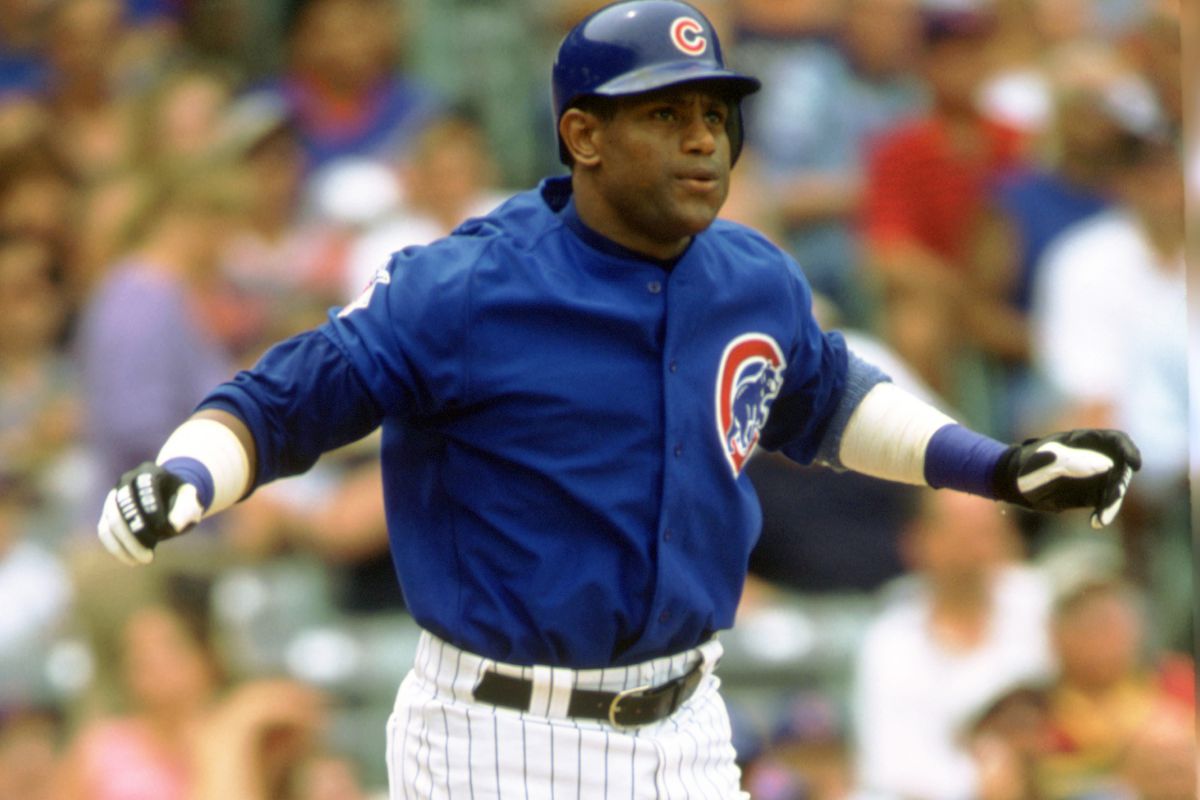
Sosa’s early exposure to baseball was informal, with improvised equipment such as milk cartons for gloves and sticks for bats. His natural talent for the game soon became evident, and he began to attract attention from scouts. At 16, Sosa signed with the Philadelphia Phillies but was released before making his professional debut. Undeterred, he was later signed by the Texas Rangers in 1985 and began his journey in professional baseball.
Sosa worked his way through the minor leagues, where his raw talent began to refine. He was known for his speed and athleticism, as well as his burgeoning power. By 1989, he made his MLB debut with the Texas Rangers. At just 20 years old, Sosa’s performance during his rookie season was modest, but he showed flashes of potential. In 25 games, he batted .238 with one home run and three RBIs.
Midway through the 1989 season, Sosa was traded to the Chicago White Sox. Although his early years with the White Sox were marked by inconsistency, he began to showcase the power and speed combination that would later define his career. During the 1990 season, he hit 15 home runs and stole 32 bases, establishing himself as a player with significant potential.
In 1992, Sosa was traded to the Chicago Cubs in a deal that would prove transformative for both him and the franchise. Under the guidance of the Cubs’ coaching staff, Sosa began to refine his swing and improve his plate discipline. While his early years with the Cubs were marked by steady improvement, it wasn’t until the mid-1990s that Sosa truly emerged as a superstar.

By 1993, Sosa hit 33 home runs and drove in 93 RBIs while stealing 36 bases, making him one of the few players in MLB history to join the exclusive 30-30 club (30 home runs and 30 stolen bases in a season). This performance solidified his status as a cornerstone of the Cubs’ roster.
The late 1990s represented the pinnacle of Sammy Sosa’s career, highlighted by the historic home run race of 1998. That season, Sosa and Mark McGwire of the St. Louis Cardinals captivated the baseball world as they chased Roger Maris’s single-season home run record of 61, set in 1961. Sosa and McGwire engaged in a thrilling and friendly competition, with both players exceeding Maris’s record. Sosa finished the season with 66 home runs, second only to McGwire’s 70.
Sosa’s 1998 campaign was extraordinary not only for the sheer number of home runs but also for his overall offensive production. He led the league with 158 RBIs and scored 134 runs while batting .308. His performance earned him the National League Most Valuable Player (MVP) Award, and he became a global icon. The home run race is credited with revitalizing baseball, which had struggled to regain popularity following the 1994 players’ strike.
The following seasons saw Sosa continue his dominance as one of the most feared sluggers in the game. In 1999, he hit 63 home runs and drove in 141 RBIs, followed by 50 home runs in 2000. Sosa’s consistent ability to produce extraordinary offensive numbers solidified his place as one of the greatest power hitters of all time.
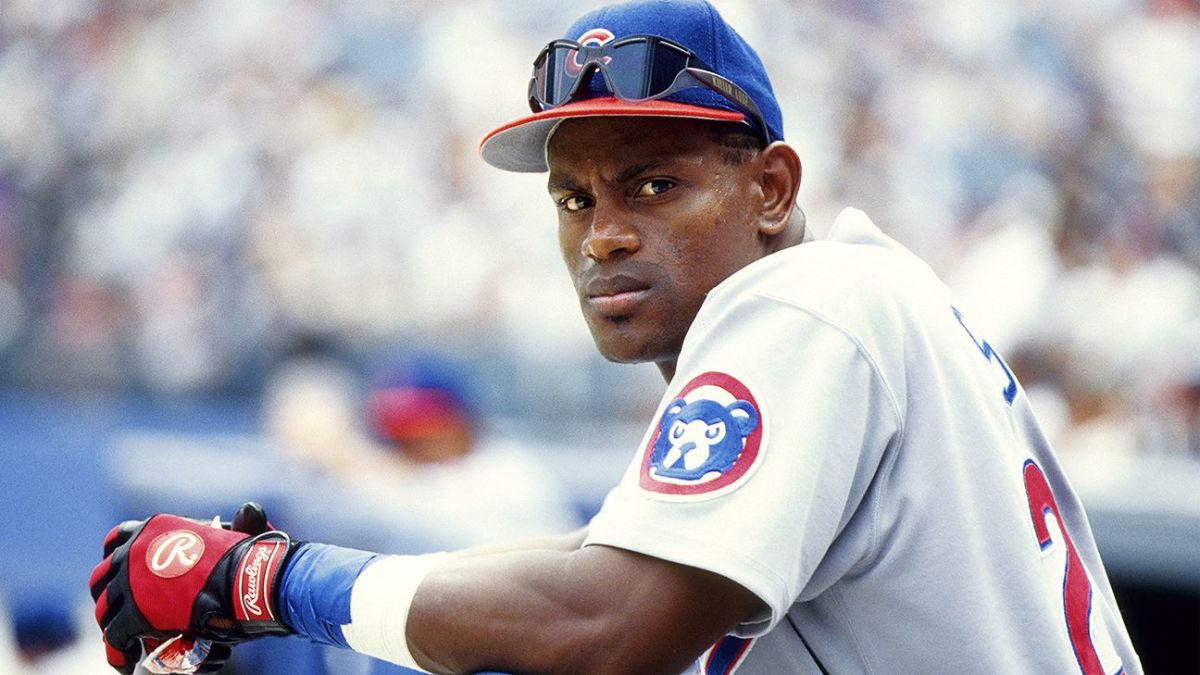
Sammy Sosa’s career statistics are staggering. Over 18 seasons, he amassed 609 home runs, placing him ninth on MLB’s all-time home run list as of 2023. He drove in 1,667 RBIs, scored 1,475 runs, and recorded 2,408 hits. Sosa’s .273 career batting average, combined with his power numbers, underscores his value as a middle-of-the-lineup hitter.
Sosa is the only player in MLB history to hit 60 or more home runs in three different seasons (1998, 1999, and 2001). His 2001 campaign, during which he hit 64 home runs, drove in 160 RBIs, and posted a .328 batting average, remains one of the greatest offensive seasons in baseball history.
Sosa was a seven-time All-Star and won six Silver Slugger Awards, recognizing him as one of the best offensive players at his position. He also led the National League in home runs twice and RBIs twice, further cementing his reputation as a premier slugger.

Sosa’s impact on baseball goes beyond his incredible statistics. His engaging personality, trademark hop after hitting home runs, and exuberant style made him a fan favorite. Sosa’s success helped popularize baseball in the Dominican Republic, inspiring a new generation of players from his homeland to pursue careers in the sport.
The 1998 home run race, in particular, revitalized interest in baseball at a critical time. Sosa and McGwire’s pursuit of the single-season home run record brought fans back to the game and generated unprecedented media coverage. Sosa’s role in this cultural moment made him one of the most recognizable athletes in the world.
However, Sosa’s legacy is complicated by his association with performance-enhancing drugs (PEDs). While he has never admitted to using PEDs and was not conclusively proven to have done so, Sosa’s name was included in the 2003 list of players who allegedly tested positive for banned substances. This association has cast a shadow over his achievements and has hindered his candidacy for the Hall of Fame.
In addition to the PED allegations, Sosa faced criticism for his sudden decline in performance after leaving the Cubs in 2004. His final seasons with the Baltimore Orioles (2005) and Texas Rangers (2007) were marked by diminished production, leading to questions about the sustainability of his earlier success.
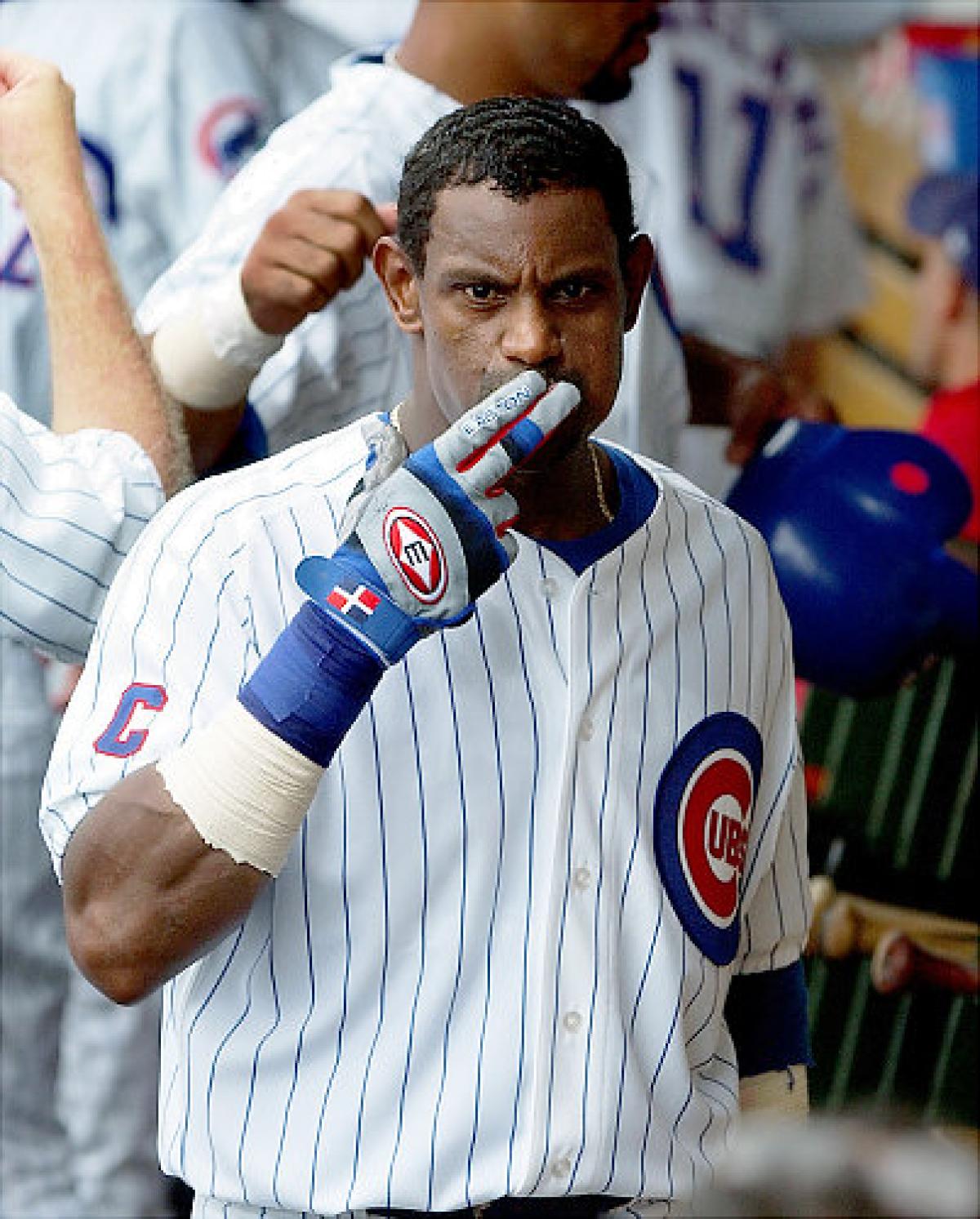
After retiring, Sosa largely withdrew from public life, leading to speculation about his relationship with MLB and the Chicago Cubs. In interviews, Sosa has expressed pride in his accomplishments but has also maintained his innocence regarding PED use. His absence from many Cubs-related events and the Hall of Fame debate continue to spark discussion about his legacy.
One unique aspect of Sosa’s career is his rapid transformation from a speedy outfielder with moderate power to one of the most prolific home run hitters in history. His journey reflects a combination of natural talent, hard work, and, perhaps controversially, the era in which he played.
Another notable aspect is Sosa’s cultural impact. As a Dominican-born player, Sosa became a symbol of hope and inspiration for his home country. His success paved the way for other Dominican players to excel in MLB, and he remains a celebrated figure in his homeland.
Sammy Sosa’s MLB career is a testament to the power of determination and talent, as well as the complexities of fame in the modern sports era. His rise from humble beginnings to international stardom is an inspiring story, and his achievements on the field rank among the most remarkable in baseball history. However, the controversies surrounding PEDs and his post-career estrangement from MLB have complicated his legacy.

Despite these challenges, Sosa’s contributions to the game, particularly during the late 1990s, cannot be denied. He was a central figure in one of baseball’s most memorable eras, and his influence on the game continues to be felt. Whether celebrated for his achievements or scrutinized for the controversies surrounding him, Sammy Sosa remains one of the most compelling figures in the history of Major League Baseball.



 The Baseball Scholar
Leave a comment