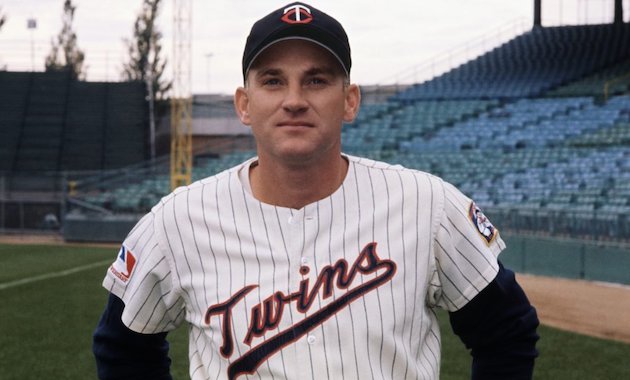
Harmon Killebrew was one of the most prolific and beloved power hitters in the history of Major League Baseball (MLB). Known for his ability to hit towering home runs and for his leadership both on and off the field, Killebrew’s career spanned two decades and left an indelible mark on the game of baseball. His rise to fame is a testament to his hard work, determination, and innate talent, and his impact on the sport extends far beyond his incredible statistics.
Harmon Clayton Killebrew was born on June 29, 1936, in Payette, Idaho. He grew up in a modest farming family, and his love for baseball developed early. Killebrew’s father, a farmer who had a great appreciation for the game, encouraged his son’s passion for sports, and Harmon quickly excelled in various athletic endeavors, including baseball. From a young age, Killebrew showed immense potential as an athlete. His family moved to the town of Pocatello, Idaho, when he was still young, and it was there that Killebrew began to make a name for himself as a baseball player.
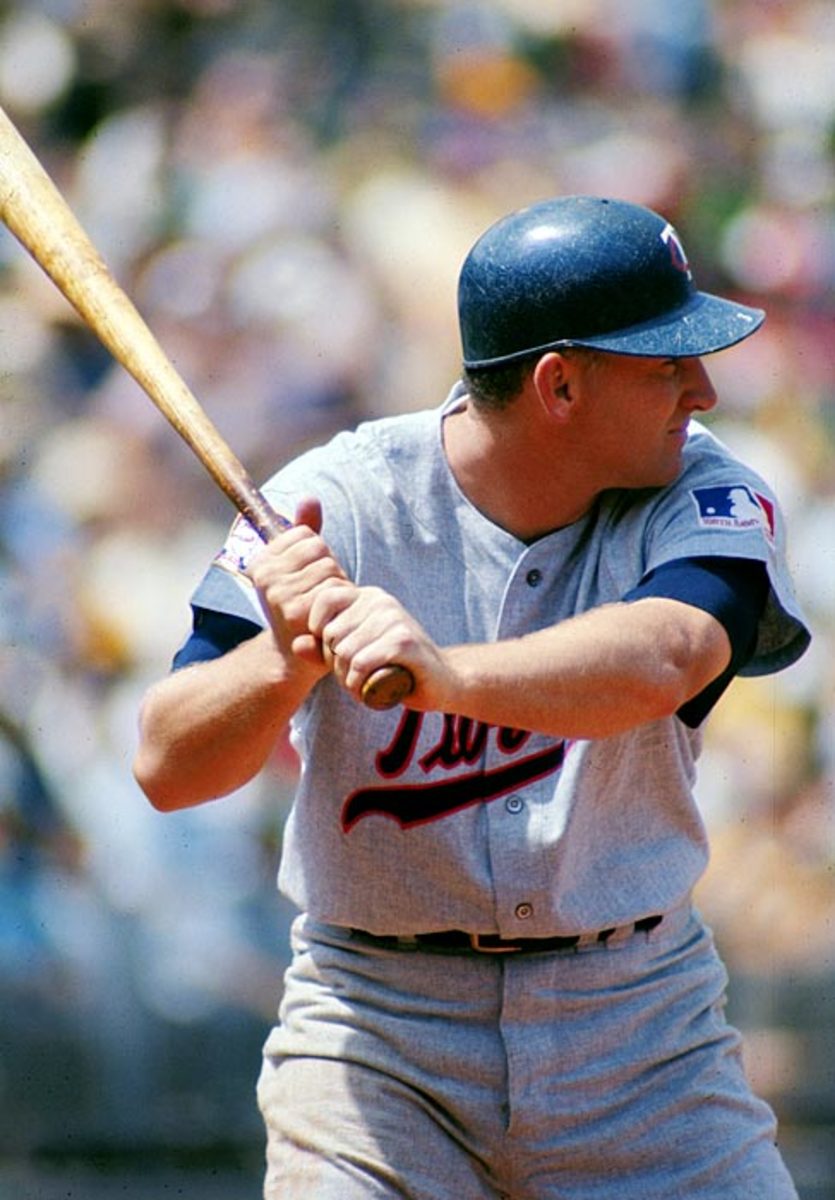
Killebrew attended Pocatello High School, where he played both football and baseball, but it was in baseball that he truly distinguished himself. His raw power was evident even during his high school years, where he developed a reputation for his ability to hit long home runs, a talent that would define his career in the majors. He had an impressive high school career, and scouts quickly took notice of his potential. At just 17 years old, Killebrew signed with the Washington Senators, which marked the beginning of his professional baseball journey.
After signing with the Senators in 1954, Killebrew began his minor league career with the Senators’ affiliate in the Class C Northwest League. He quickly impressed his coaches and teammates with his ability to hit the ball with authority and his advanced understanding of the game. He progressed steadily through the minor league system, and after just two seasons, he was called up to the major leagues in 1956 at the age of 19.
Killebrew made his MLB debut with the Washington Senators on April 17, 1956. His early years in the majors were marked by growing pains, as he faced the challenges of adjusting to big league pitching. During his first full season in 1957, Killebrew showed flashes of brilliance, belting 13 home runs and posting a solid .238 batting average. While he was still finding his footing at the major league level, it was clear that he had the potential to become one of the league’s premier power hitters.
In 1959, Killebrew’s power began to manifest more consistently. He hit 42 home runs that season, a number that would be a career-high for many players, but was merely the beginning for Killebrew. This marked the beginning of a stretch of dominance that would last for much of his career. Over the next several years, Killebrew became known as one of the most fearsome sluggers in the league, capable of hitting the ball out of the park at any moment.

Despite playing for the Senators, a team that was often mired in mediocrity, Killebrew’s individual accomplishments were difficult to ignore. His ability to drive in runs and put up consistent power numbers made him the focal point of the team’s offense. As the Senators moved to Minnesota and became the Minnesota Twins in 1961, Killebrew’s star continued to rise, and he solidified his status as one of the most dangerous hitters in baseball.
The 1960s marked the peak of Killebrew’s career. Upon the Twins’ relocation to Minnesota in 1961, Killebrew found himself in a new city with a new team, but his powerful bat quickly made him the center of attention. The 1961 season was a defining one for Killebrew. He hit 46 home runs that year, establishing himself as a player capable of challenging for the home run crown on an annual basis. The home run became Killebrew’s trademark, and his ability to hit for both power and average helped him establish himself as one of the premier players in the game.
Over the next decade, Killebrew’s bat continued to be one of the most potent forces in baseball. He hit at least 40 home runs in five different seasons during the 1960s and consistently finished among the league leaders in RBIs. He was a key player for the Twins during the team’s successful run in the mid-1960s, including their appearance in the 1965 World Series, in which Killebrew played a significant role.
Killebrew’s power was not just a product of his ability to hit the ball hard; it was also the result of his meticulous approach to hitting. He worked tirelessly to refine his swing and maintain his strength, which allowed him to continue hitting at a high level well into his 30s. As Killebrew entered his 30s, his power numbers remained strong, and he was able to maintain his dominance as a slugger despite the toll that age takes on a player’s body.

In 1965, Killebrew hit 52 home runs, a career high, and earned the American League Most Valuable Player (MVP) award. His performance that season cemented his place as one of the premier sluggers of his era, and it also highlighted his ability to perform in the most crucial moments. Killebrew’s ability to hit home runs, particularly in clutch situations, made him a key player for the Twins, and his leadership helped guide the team to the World Series that year, although the Twins lost to the Los Angeles Dodgers in seven games.
As the 1970s began, Killebrew’s age started to show, but his power remained as potent as ever. In 1970, Killebrew hit 41 home runs and continued to be a force in the middle of the Twins’ lineup. He remained one of the most feared hitters in the league, and while his batting average began to decline, his ability to hit for power was undiminished. His slugging percentage remained consistently high, and he continued to put up impressive numbers well into his 30s.
By the early 1970s, Killebrew’s role on the Twins had evolved. While he was no longer the everyday player he once was, he still contributed significantly to the team’s success, particularly as a designated hitter. His presence in the lineup was a constant threat to opposing pitchers, and his veteran leadership was a valuable asset to the Twins.
In 1972, Killebrew hit his 500th career home run, a milestone that further cemented his place among the greats of the game. This achievement placed him in rare company, as only a select few players had reached the 500-homer plateau at that time. Despite his advancing age, Killebrew continued to defy expectations, and his continued success was a testament to his work ethic and dedication to his craft.

In 1975, Killebrew played his final season with the Twins before being traded to the Kansas City Royals for the final year of his career. His time with the Royals was brief, and although he did not experience the same level of success as he had earlier in his career, his presence in the Royals’ clubhouse was an invaluable one. Killebrew’s career came to a close after the 1975 season, and he left the game as one of the most respected and admired players in MLB history.
Harmon Killebrew’s career statistics are nothing short of remarkable. Over the course of his 22-season career, Killebrew amassed 2,086 hits, 573 home runs, and 1,584 RBIs. His 573 home runs rank among the all-time leaders in MLB history, and he remains one of the most prolific power hitters of all time. His 1,584 RBIs are also an impressive total, ranking among the top 20 in MLB history at the time of his retirement.
Killebrew’s power was complemented by his strong on-base percentage and slugging percentage. His career .256 batting average may not stand out when compared to other great hitters, but his ability to drive in runs and hit for power made him one of the most dangerous hitters of his era. His .509 career slugging percentage speaks to his ability to hit for extra bases, and he ranks among the top 40 players in MLB history in this category.
In addition to his statistical accomplishments, Killebrew was a 13-time All-Star and was named to the American League All-Star team every year from 1961 to 1970. His consistent performance over the course of two decades earned him a reputation as one of the game’s premier power hitters, and he was widely regarded as one of the most dangerous offensive players in the league. Killebrew finished in the top 10 in MVP voting six times during his career, and he was awarded the American League MVP in 1969, when he hit 49 home runs and drove in 140 RBIs.
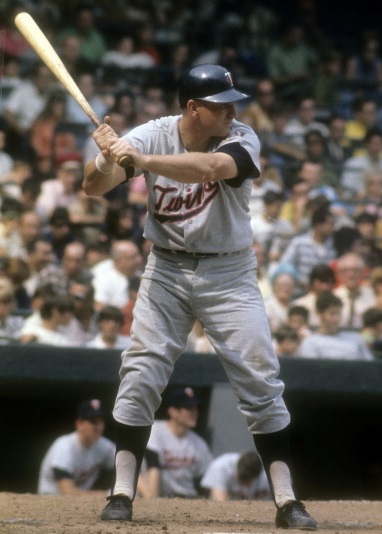
Killebrew was inducted into the Baseball Hall of Fame in 1984, a fitting recognition of his outstanding career and contributions to the game. His legacy as one of the greatest power hitters of all time is secure, and his place in baseball history is cemented by his remarkable statistics and lasting impact on the game.
Harmon Killebrew’s impact on the game of baseball extends far beyond his individual accomplishments. His powerful bat and ability to hit for both power and average set a standard for future generations of players. He was one of the earliest players to consistently hit 40 or more home runs in a season, a feat that became more common in later decades as players such as Mark McGwire, Sammy Sosa, and Barry Bonds set new records for home runs. Killebrew’s power was not only a hallmark of his career, but it also represented a new era of offensive dominance in baseball.
Killebrew’s success as a power hitter was also indicative of a broader shift in the game, as teams began to value the long ball more than ever before. In an era where pitching was often dominant, Killebrew’s ability to hit for power and drive in runs became a vital part of his team’s success. His influence on the game can be seen in the way subsequent generations of power hitters approached their craft.
Beyond his on-field accomplishments, Killebrew was also known for his leadership and sportsmanship. He was a quiet, humble player who let his bat do the talking, but his influence in the clubhouse was undeniable. His work ethic, integrity, and dedication to the game made him a role model for future generations of players. Killebrew’s legacy as a leader and ambassador for the game is as important as his statistical achievements.

Harmon Killebrew’s career stands as one of the most impressive in the history of Major League Baseball. His 573 home runs, 1,584 RBIs, and consistent excellence over two decades solidify his place among the all-time greats of the game. Killebrew’s impact on baseball transcends his statistics, as his ability to hit for power and his leadership on and off the field left a lasting legacy. He was a player who embodied the values of hard work, dedication, and sportsmanship, and his career serves as an inspiration to future generations of baseball players. Today, Harmon Killebrew is remembered not just as a prolific power hitter, but as one of the defining figures in the history of baseball.



 The Baseball Scholar
Leave a comment