
Paul Waner, often referred to as “Big Poison,” is a name that carries weight in the history of Major League Baseball (MLB). Though he may not be as universally recognized as some of his contemporaries, Waner’s impact on the game is immense. His career spanned more than two decades, during which he compiled impressive statistics, contributed to his team’s success, and left a lasting imprint on the game’s evolution.
Waner was a quintessential example of a player who did not necessarily dazzle with raw power or overwhelming athleticism, but instead impressed with his consistency, durability, and all-around baseball acumen. His ability to hit for average, combined with an understanding of the nuances of the game, allowed him to become one of the most respected players of his era. Throughout his career, Waner established himself as a steady performer, a key contributor to the Pittsburgh Pirates’ success, and an unheralded star in the annals of baseball history.
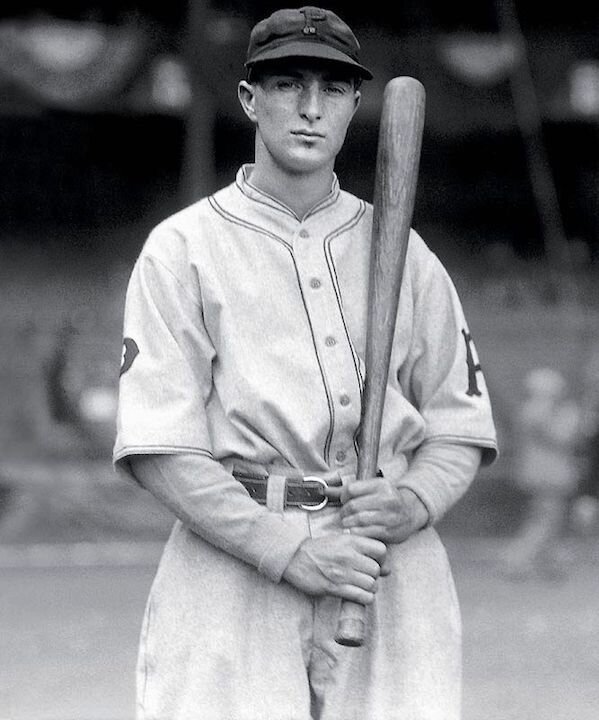
Paul Waner was born on April 16, 1903, in Harrah, Oklahoma. He came from humble beginnings, growing up in a time when baseball was more a pastime than a profession. He was one of three children in a working-class family, and his love for the game began at a young age. His father, who worked as a farmer, introduced him to baseball, and Paul quickly developed a passion for the sport. He would often play with his brothers and neighborhood friends, and his raw talent for the game was evident from the outset.
Waner attended Harrah High School, where he quickly gained attention for his skills on the baseball diamond. Despite growing up in a relatively small town, Waner’s ability to hit the ball with authority made him stand out. After high school, he continued to play baseball at a local level before moving on to semi-professional baseball teams. It was during this time that he caught the eye of major league scouts, particularly those representing the Pittsburgh Pirates.
His entry into professional baseball came in 1923 when he signed with the minor league Wichita Falls Spudders of the Western League. Over the next few years, Waner honed his skills and developed into one of the top hitters in the minor leagues. By 1926, he had earned a spot on the Pirates’ roster, marking the beginning of his legendary MLB career.
Waner made his major league debut with the Pittsburgh Pirates on April 18, 1926, at the age of 23. His initial foray into the majors was a modest one, but it was clear that he had the potential to be a key contributor to the team’s success. In his first full season with the Pirates in 1927, Waner emerged as one of the league’s top hitters, posting a .336 batting average with 8 home runs, 61 RBIs, and 27 stolen bases. His performance helped the Pirates win the National League pennant that year, although they fell short in the World Series against the New York Yankees.
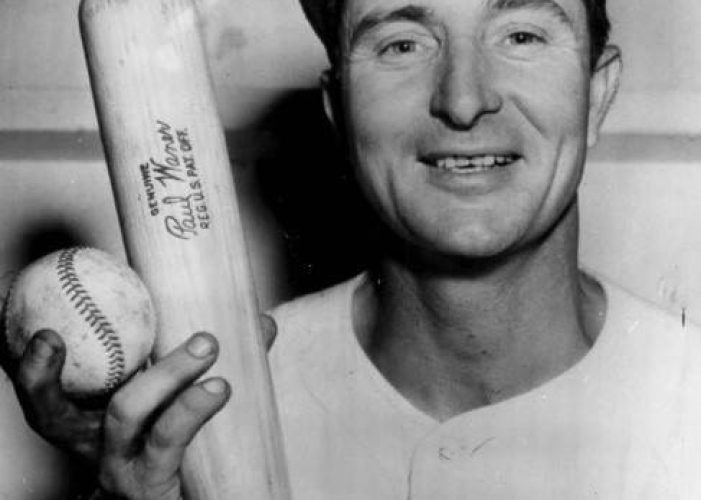
The 1927 season was a turning point for Waner. His combination of speed, defensive capability, and bat control allowed him to become a fixture in the Pirates’ lineup. Despite playing in an era when power hitters were the talk of the game, Waner’s strength was in his ability to make contact and hit for a high average. His plate discipline was one of his most impressive attributes, as he rarely struck out and consistently found ways to reach base.
Waner’s time with the Pirates was marked by steady production. Over the next several years, he established himself as one of the best hitters in the National League, earning multiple All-Star selections and helping to lead the Pirates to sustained success. In 1929, Waner had another stellar year, hitting .355 with 10 home runs and 80 RBIs, solidifying his place among the league’s elite players. He continued to build on his reputation as a reliable hitter, one who was able to consistently produce at the plate while providing stability to the Pirates’ offense.
As the 1930s unfolded, Waner entered the peak years of his career. His batting skills reached new heights, and he became one of the most feared hitters in the league. In 1934, Waner won his first and only National League batting title, hitting a remarkable .355. His ability to hit for both average and power during this period earned him widespread recognition, and he quickly became one of the most respected players in the game. Waner also showed great consistency, finishing with a batting average above .300 in 11 consecutive seasons from 1927 to 1937.
In addition to his offensive prowess, Waner was known for his durability and ability to stay on the field. Throughout his career, he was known for being an ironman who played through injuries and maintained his performance despite difficult circumstances. His ability to stay healthy and productive allowed him to play at a high level for many years, which was essential to his sustained success.
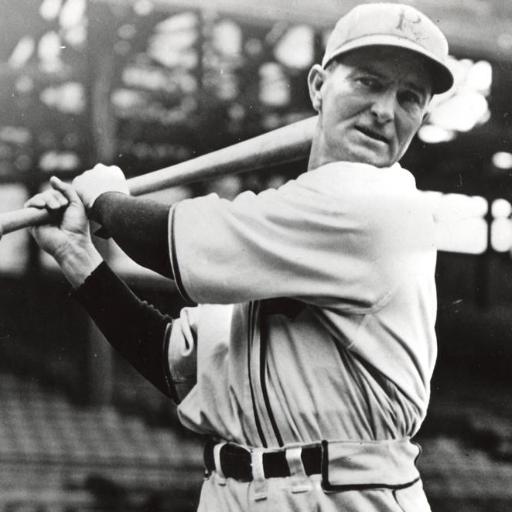
During the 1930s, Waner had several standout seasons that further cemented his legacy. In 1932, he hit .336 with 19 home runs and 88 RBIs, proving that he was more than just a contact hitter. He also displayed a knack for getting on base, as evidenced by his .404 on-base percentage that season. Despite the Pirates’ struggles in terms of postseason success during this period, Waner’s individual accomplishments did not go unnoticed. His consistent performance year after year made him one of the most dependable players of the era.
In 1934, Waner helped lead the Pirates to another National League pennant, although they again fell short in the World Series. Despite not winning a championship, his efforts were vital to the Pirates’ success, and his performance throughout the 1930s solidified his status as one of the best hitters of his generation.
As Waner entered his 30s, the demands of a long career began to take their toll. By the late 1930s, his production began to slow, but he remained a key figure in the Pirates’ lineup. Despite some decline in his overall performance, he continued to be an important leader for the team. In 1938, Waner experienced his first significant decline in production, hitting only .271 with 5 home runs and 46 RBIs. However, even during this stretch, he maintained his reputation as a patient and intelligent hitter who could still contribute in important situations.
In 1940, Waner was traded to the Brooklyn Dodgers, where he would spend the final years of his playing career. While his numbers were not as impressive in his later years, Waner’s leadership and ability to make contact remained valuable assets to the Dodgers. He retired from the game in 1945, having played 19 seasons in the majors and accumulated a wealth of statistics that placed him among the game’s greats.
Over the course of his career, Paul Waner accumulated 2,459 hits, 113 home runs, and 1,309 RBIs. His .316 career batting average ranks among the best in MLB history, and he finished with over 2,400 hits, a remarkable accomplishment during an era when hitting for average was highly valued. Waner’s consistency and longevity allowed him to compile impressive statistics, including 1,000 or more career hits in 14 seasons.
Perhaps one of the most impressive aspects of Waner’s career was his ability to hit for both average and power. While he may not have hit for the same level of power as some of his contemporaries, Waner was a player who could drive in runs, get on base, and provide valuable offensive production year after year. His .404 career on-base percentage was a testament to his discipline and ability to work counts in his favor.
Waner was named to the All-Star team five times during his career and was a member of the Pittsburgh Pirates’ team that won the National League pennant in 1927. Though he never won a Most Valuable Player (MVP) award or a World Series championship, his steady performance and ability to remain one of the top hitters in the league for over a decade earned him widespread respect and admiration from his peers.
While Paul Waner’s career achievements are significant in their own right, there are also several unique aspects of his life and career that deserve attention. One of the most notable elements of Waner’s legacy is his relationship with his younger brother, Lloyd Waner. Lloyd, who played alongside Paul for many years on the Pirates, was also a talented player in his own right. Together, the Waner brothers formed one of the most dynamic duos in baseball history. Both Paul and Lloyd were excellent hitters, and their ability to complement one another in the lineup made the Pirates’ offense even more potent.

Another unique aspect of Paul Waner’s career was his durability. Waner played in over 2,400 games during his career, a remarkable feat in an era when injuries were more common and players often missed significant time due to physical ailments. His ability to remain healthy and productive over such a long period of time speaks to his dedication to the game and his physical conditioning.
Waner was also known for his intelligence on the field. He had a deep understanding of the game, and his ability to read pitchers, work counts, and make contact with the ball helped him become one of the most feared hitters in the National League. His approach to hitting was methodical and strategic, making him a difficult player for opposing pitchers to handle.
Paul Waner’s impact on baseball extends beyond his impressive statistics. His combination of hitting for average, power, and on-base percentage made him one of the most complete hitters of his time. He was a key figure in the Pittsburgh Pirates’ offense during some of the most successful years in the team’s history, and his consistent performance throughout his career set a standard for future generations of players.
Though Waner was never as widely celebrated as other stars of his era, his legacy as one of the game’s most consistent and intelligent hitters remains intact. His impact on the Pirates’ success, particularly in the 1920s and 1930s, helped lay the foundation for the team’s future. Today, Waner is remembered as a player who played the game the right way, combining skill, discipline, and dedication to build a career that stands the test of time.
In 1952, Paul Waner was inducted into the Baseball Hall of Fame, a well-deserved recognition of his contributions to the game. Though he may not have had the same level of fame as some of his contemporaries, his place in baseball history is secure. As one of the best hitters of his generation, Paul Waner’s legacy is a testament to the value of consistency, discipline, and an unrelenting love for the game. His career serves as an example for future generations of players, demonstrating that greatness in baseball is not always defined by power or speed, but by the ability to excel in every aspect of the game.



 The Baseball Scholar
Leave a comment