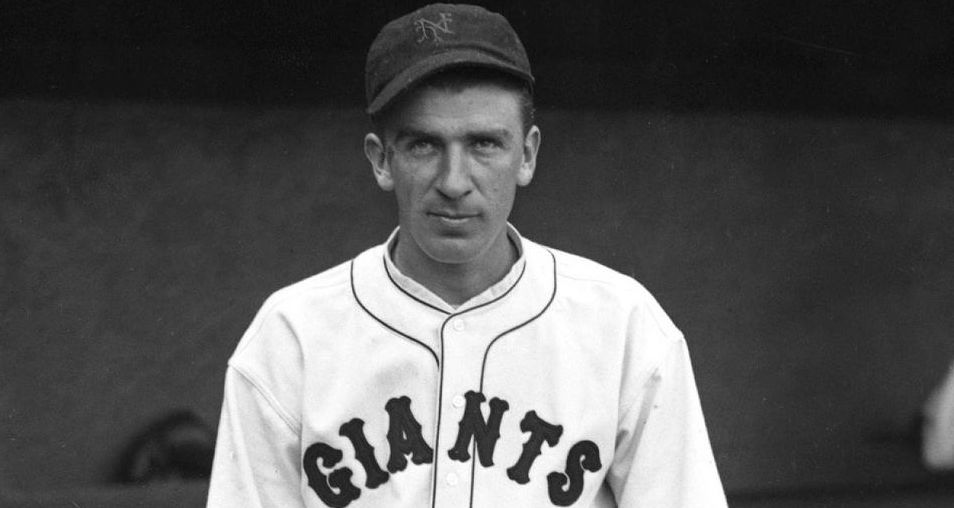
Carl Hubbell, known affectionately as “King Carl” and “The Meal Ticket,” holds a revered place in baseball history as one of the most dominant pitchers of the 1930s and a cornerstone of the New York Giants franchise. Renowned for his pinpoint control, devastating screwball, and calm demeanor, Hubbell’s career is a study in sustained excellence and innovation on the mound. This essay explores the life and career of Carl Hubbell, from his humble beginnings to his rise as one of baseball’s legends. It delves into his statistical achievements, moments of dominance, unique contributions to the game, and his lasting impact on the sport.
Carl Owen Hubbell was born on June 22, 1903, in Carthage, Missouri, a small town in the heart of America. He grew up in Meeker, Oklahoma, where he developed his love for baseball. Hubbell’s journey to the major leagues was far from conventional. As a young left-handed pitcher, he showed promise, but his early mechanics were unremarkable. It wasn’t until he discovered the screwball—a pitch that would become his signature weapon—that he began to carve a path to greatness.

The screwball, a pitch that breaks in the opposite direction of a curveball, was introduced to Hubbell by an opposing minor league pitcher. Recognizing its potential, he worked tirelessly to perfect it. The pitch required immense wrist strength and precise mechanics, and it became the key to Hubbell’s success. His mastery of the screwball allowed him to neutralize right-handed hitters, a critical skill in an era dominated by right-handed power bats.
Hubbell’s professional career began in the minor leagues with the Oklahoma City Indians and the Beaumont Exporters. Initially, the Detroit Tigers owned his rights but deemed his screwball to be harmful to his arm and released him. This misjudgment proved to be one of the most significant blunders in baseball history. In 1928, the New York Giants—guided by manager John McGraw—signed Hubbell. McGraw saw the potential in Hubbell’s screwball and gave him the opportunity to thrive.
Hubbell made his major league debut on July 26, 1928. His first full season in 1929 showcased his potential, as he posted a respectable 10-6 record with a 2.83 ERA. Over the next few years, he refined his craft, becoming one of the most consistent and dominant pitchers in the National League.
Hubbell’s career spanned 16 seasons from 1928 to 1943, all with the New York Giants. During this time, he compiled a remarkable record of 253 wins against 154 losses, with a career ERA of 2.98. He struck out 1,677 batters and walked only 725, demonstrating his exceptional control. Hubbell’s achievements are even more impressive when considering the context of his era, which was characterized by high-scoring games and a lively baseball.

The pinnacle of Hubbell’s dominance came during the 1933 season, when he led the Giants to a World Series championship. That year, he posted a 23-12 record with a league-leading 1.66 ERA, the lowest of his career. Hubbell’s performance earned him the National League MVP award, a feat he would repeat in 1936. He became one of the few players in baseball history to win multiple MVP awards, cementing his status as a premier player of his time.
From 1931 to 1937, Hubbell enjoyed one of the greatest stretches of pitching excellence in baseball history. During this seven-year span, he averaged 21 wins per season, posted an ERA under 3.00 in all but one year, and led the league in ERA three times. His consistency and ability to perform under pressure made him a true ace.
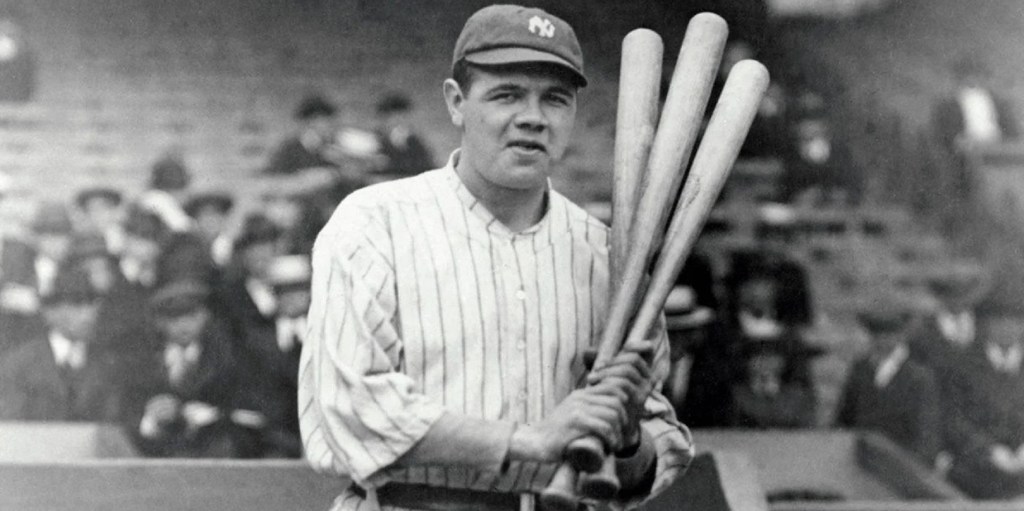
One of the most iconic moments of Hubbell’s career occurred during the 1934 All-Star Game at the Polo Grounds. Facing a lineup of baseball’s greatest hitters, Hubbell achieved what is widely regarded as one of the most remarkable feats in All-Star Game history. He struck out five consecutive future Hall of Famers: Babe Ruth, Lou Gehrig, Jimmie Foxx, Al Simmons, and Joe Cronin.
The feat was a testament to Hubbell’s mastery of the screwball and his ability to rise to the occasion. Each strikeout showcased his control and the deceptive movement of his pitches. The crowd at the Polo Grounds erupted in amazement as Hubbell navigated through the fearsome lineup with apparent ease. This performance cemented his reputation as one of the premier pitchers of his time.

Hubbell’s calm demeanor on the mound earned him the nickname “The Meal Ticket,” as he was the player the Giants relied on most in crucial games. Teammates and opponents alike marveled at his unflappable composure. One famous anecdote involves Hubbell’s refusal to show emotion, even during the most intense moments. When asked how he maintained such poise, Hubbell replied, “You can’t let them know when they’ve got you rattled.”
Another story highlights Hubbell’s sense of humor. During a game in which his screwball baffled hitters, a frustrated batter reportedly asked the umpire, “What does that ball do?” Without missing a beat, Hubbell quipped, “Whatever I want it to.”
Hubbell’s relationship with manager Bill Terry was also noteworthy. Terry, who succeeded McGraw as the Giants’ manager, often relied on Hubbell in critical situations. The mutual respect between the two was evident, as Terry trusted Hubbell to pitch deep into games, even during the grueling pennant races of the 1930s.
As Hubbell entered his late 30s, the toll of pitching thousands of innings began to show. Despite this, he remained an effective pitcher, adapting his style to compensate for a slight decline in velocity. His final season in 1943 saw him transition into a mentor role for younger pitchers on the Giants.

After retiring as a player, Hubbell continued to contribute to the Giants organization, serving as the team’s director of player development for several decades. In this role, he helped shape the careers of numerous players, further solidifying his impact on the franchise. Hubbell’s ability to recognize and nurture talent demonstrated his deep understanding of the game and his commitment to its growth.
Hubbell’s contributions to baseball were recognized in 1947 when he was inducted into the Baseball Hall of Fame. His election was a testament to his skill, consistency, and the respect he commanded throughout the sport. His plaque in Cooperstown commemorates his achievements and his legacy as one of the greatest pitchers of all time.
Carl Hubbell’s influence on baseball extends beyond his impressive statistics. His mastery of the screwball inspired future generations of pitchers to explore the pitch, despite concerns about its impact on arm health. Hubbell demonstrated that intelligence and finesse could be as effective as raw power, paving the way for pitchers with similar styles. His innovative approach to pitching, marked by his ability to adapt and refine his craft, remains a blueprint for aspiring players.
Hubbell’s ability to excel during one of baseball’s most competitive eras underscored his greatness. He faced some of the most formidable hitters in history and consistently outperformed them. His performances in critical games, including the 1933 World Series and the 1934 All-Star Game, remain iconic moments in the sport’s history. These moments are celebrated not only for their historical significance but also for the artistry and skill they showcased.
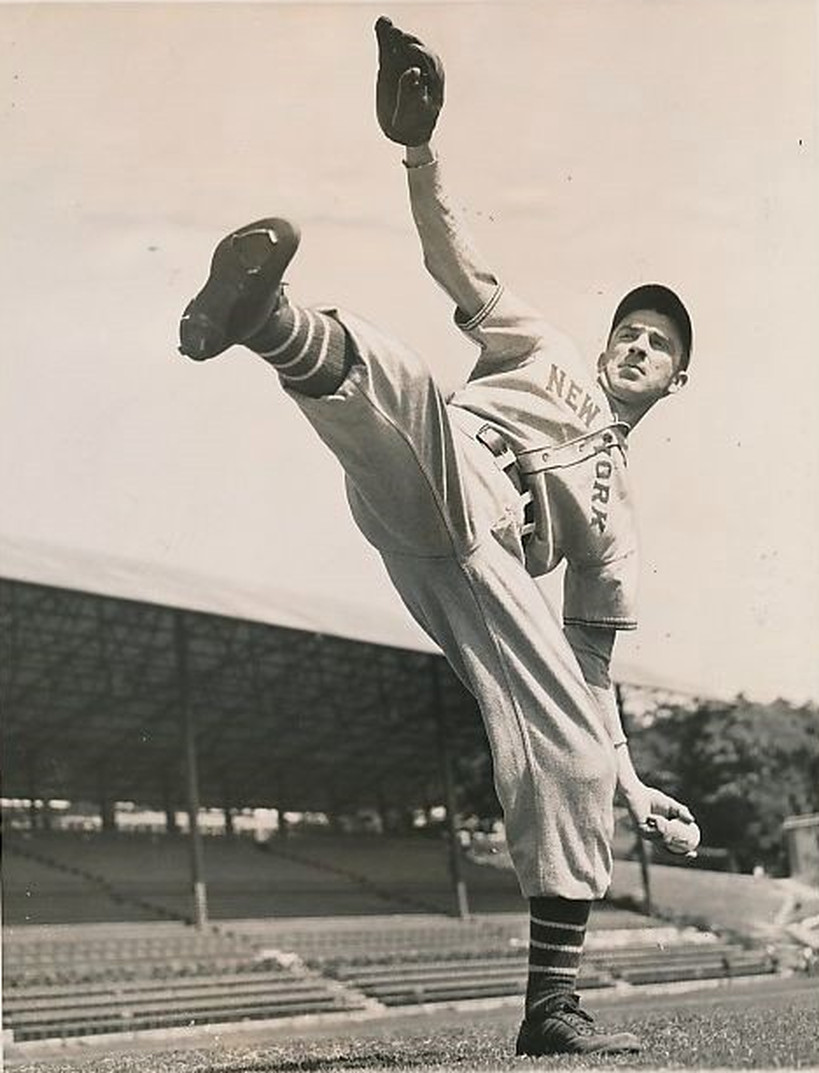
Carl Hubbell’s career is a testament to the power of innovation, determination, and excellence. From his humble beginnings in Oklahoma to his rise as one of baseball’s all-time greats, Hubbell’s journey is an inspiration. His statistical achievements, including 253 wins, two MVP awards, and a career defined by consistency, place him among the legends of the game.
Hubbell’s legacy is not just in the numbers but in the memories he created and the respect he earned. His mastery of the screwball, unflappable demeanor, and contributions to the Giants organization ensure that his impact on baseball will never be forgotten. As fans and historians look back on the rich history of the sport, Carl Hubbell’s name will always shine as a symbol of greatness on the mound.
In addition to his on-field success, Hubbell’s life story serves as a reminder of the importance of perseverance and innovation. Overcoming early skepticism about his screwball and being released by the Detroit Tigers, Hubbell’s determination to succeed propelled him to greatness. His ability to adapt and thrive in an ever-changing sport underscores the timeless nature of his contributions.
Hubbell’s unique ability to pitch effectively with the screwball is a hallmark of his career. The pitch, rarely seen in modern baseball due to its perceived difficulty and potential strain on the arm, was a centerpiece of his arsenal. Hubbell’s success with the screwball not only defined his career but also left a lasting impression on the game. His influence can be seen in the pitchers who later attempted to master the screwball, inspired by his success.

Carl Hubbell’s story is also one of loyalty and dedication. Spending his entire career with the New York Giants, Hubbell became synonymous with the franchise. His contributions both on and off the field solidified his place as one of the most respected figures in the team’s history. The Giants’ decision to retire his number 11 further underscores the profound impact he had on the organization.
In summary, Carl Hubbell’s career is a testament to his skill, determination, and innovation. His mastery of the screwball, coupled with his remarkable consistency and poise, made him one of the greatest pitchers of all time. His achievements, including multiple MVP awards, a World Series championship, and a Hall of Fame induction, reflect his enduring legacy. As a player, mentor, and ambassador for the game, Hubbell’s impact on baseball is immeasurable. His story continues to inspire generations of fans and players, ensuring that his place in the annals of baseball history remains secure.


 The Baseball Scholar
Leave a comment