
Tim Raines, affectionately known as “Rock,” stands as one of the most electrifying and accomplished players in Major League Baseball (MLB) history. Over the course of his 23-year career, Raines established himself as a transcendent talent, blending speed, consistency, and an exceptional understanding of the game. As one of the greatest leadoff hitters and base stealers in baseball history, his impact extended far beyond the numbers he put up on the field. From his beginnings in Sanford, Florida, to his Hall of Fame induction, Raines’s journey is a testament to perseverance, evolution, and the enduring power of excellence.
Timothy Raines was born on September 16, 1959, in Sanford, Florida, a town with a rich baseball tradition. Growing up in a family of nine children, Raines was immersed in a competitive environment from an early age. Sports became a natural outlet for his energy and talent, and he quickly gravitated toward baseball. Though he excelled in multiple sports, including football, his exceptional speed and agility made him a standout on the diamond.
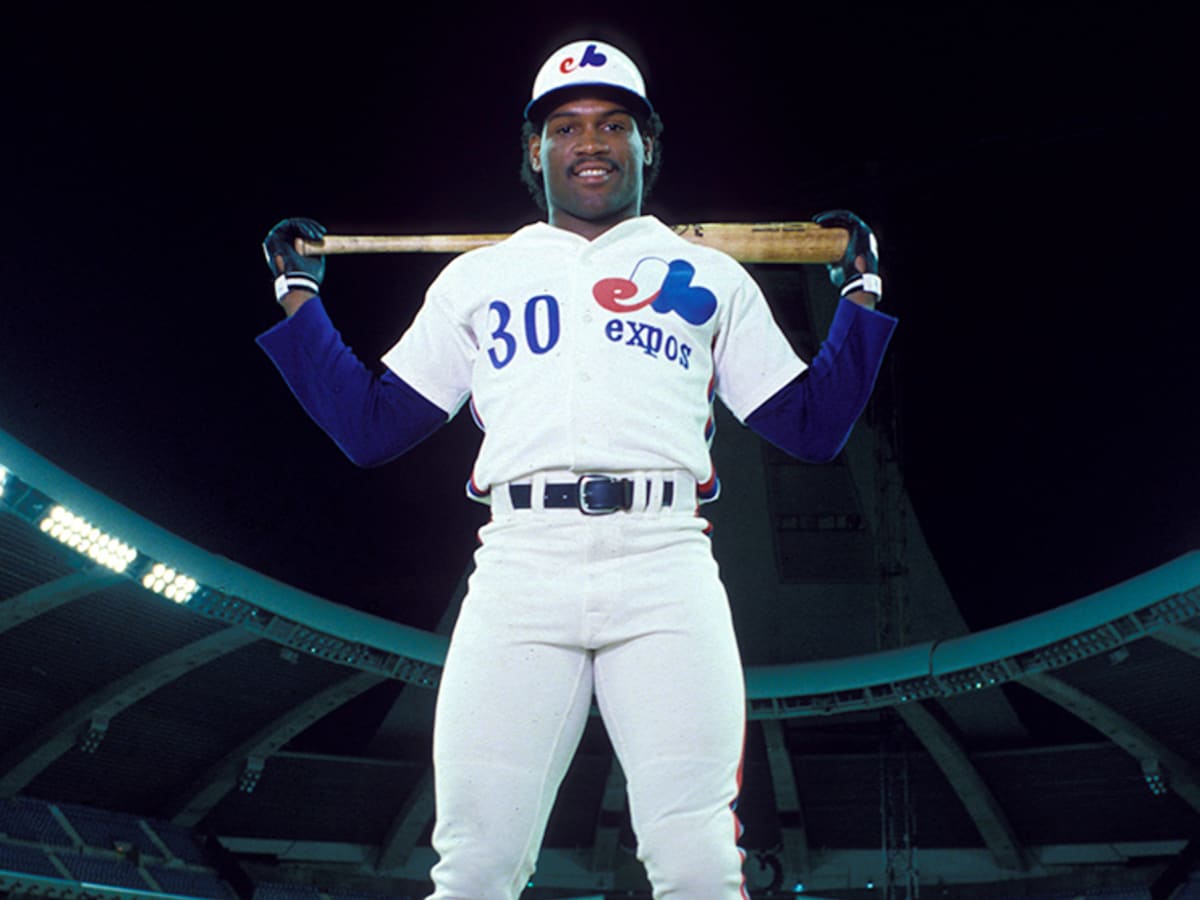
At Seminole High School, Raines excelled in baseball and football, earning accolades for his athleticism. His potential as a baseball player was evident, particularly in his ability to steal bases with ease and make consistent contact at the plate. Despite opportunities to pursue football at the collegiate level, Raines opted to sign with the Montreal Expos in the fifth round of the 1977 MLB Draft, beginning a professional journey that would redefine the leadoff position in baseball.
Raines entered professional baseball as a raw talent with immense potential. His early years in the minor leagues were marked by a steep learning curve as he adapted to the nuances of the game. However, his natural athleticism and work ethic set him apart. By 1979, he had made his MLB debut at just 19 years old, though it was a brief stint. It wasn’t until 1981 that Raines truly arrived in the majors, and he did so with a flourish.
The 1981 season was a turning point for Raines, as he burst onto the scene with the Montreal Expos in a strike-shortened season. Playing primarily as a left fielder, Raines quickly established himself as a force at the top of the lineup. He led the league in stolen bases with 71 in just 88 games, an astonishing feat that highlighted his game-changing speed. Raines’s ability to get on base and disrupt pitchers with his baserunning made him an immediate star. His .304 batting average and .391 on-base percentage (OBP) underscored his value as a leadoff hitter, and he finished second in the National League (NL) Rookie of the Year voting.
Raines earned his first All-Star selection in 1981, an honor he would receive seven consecutive times during the 1980s. His explosive debut laid the foundation for a career defined by consistent excellence and a dynamic style of play.

The 1980s were Raines’s golden era, during which he cemented his legacy as one of the greatest leadoff hitters and base stealers in MLB history. From 1981 to 1987, Raines led the NL in stolen bases four times, including a career-high 90 steals in 1983. During this span, he also consistently hit for a high average, maintained an OBP above .390, and scored over 100 runs in multiple seasons.
One of the defining aspects of Raines’s game was his plate discipline. Unlike many players with exceptional speed, Raines was not overly aggressive or reckless. He had a keen eye at the plate, leading to a career OBP of .385. His ability to draw walks and avoid strikeouts made him an ideal leadoff hitter, as he consistently set the table for the middle of the lineup.
Raines’s offensive prowess was complemented by his versatility in the field. Although he began his career as a left fielder, he later played in center field and right field, showcasing his athleticism and strong arm. While he was not known for his defensive brilliance, he was a reliable outfielder who contributed to his team’s success in all facets of the game.
One of Raines’s most memorable performances came in the 1987 All-Star Game, where he was named the game’s Most Valuable Player (MVP). In the 13th inning of a marathon contest, Raines delivered a game-winning two-run triple, cementing his reputation as a clutch performer. The All-Star Game MVP was a fitting accolade for a player who had become a perennial star and one of the faces of the league.
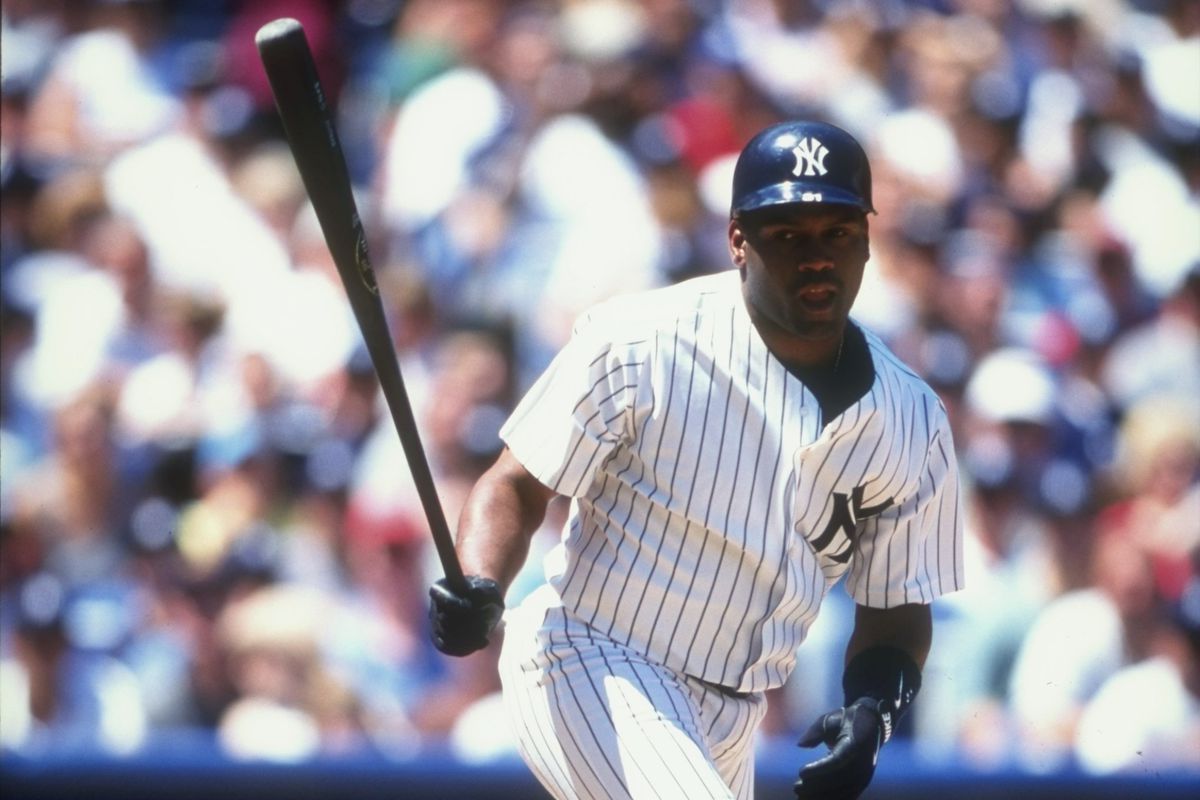
In 1986, Raines put together one of his finest seasons, hitting .334 with a league-leading .413 OBP, 70 stolen bases, and 91 RBIs—a remarkable total for a leadoff hitter. Despite his outstanding performance, he was controversially snubbed in the NL MVP voting, finishing fifth. The oversight was emblematic of the underappreciation Raines faced throughout his career, particularly in an era overshadowed by the achievements of players like Rickey Henderson.
Raines’s career was not without its challenges. During the mid-1980s, he was a victim of the MLB collusion scandal, which saw team owners conspiring to suppress free-agent salaries. As a result, Raines found himself without a team at the start of the 1987 season, despite being one of the league’s premier players. He re-signed with the Expos later that year and promptly made history by going 4-for-5 with a grand slam in his first game back. The collusion episode highlighted the systemic issues in baseball at the time and underscored the resilience of players like Raines, who continued to excel despite the obstacles.
Raines also faced personal struggles, including a battle with cocaine addiction early in his career. He candidly addressed his addiction and sought treatment, emerging as a stronger and more focused player. His openness about his struggles served as an inspiration to others and demonstrated his commitment to personal growth and accountability.
As Raines entered the 1990s, his role evolved from that of a superstar to a veteran leader. He played for several teams, including the Chicago White Sox, New York Yankees, Oakland Athletics, Baltimore Orioles, and Florida Marlins. While his stolen base totals declined with age, Raines remained a productive hitter and a valuable presence in the clubhouse.
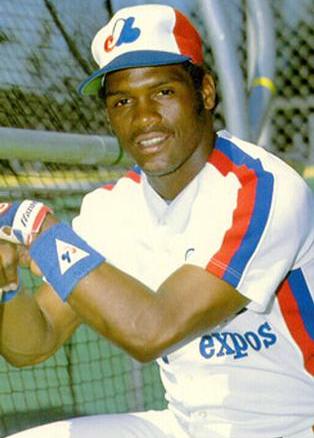
Raines achieved the ultimate team success with the Yankees, winning World Series titles in 1996 and 1998. Although he was no longer the dynamic force of his younger years, his contributions as a role player and mentor were invaluable. The championships were a fitting reward for a player whose career had been defined by excellence and perseverance.
Tim Raines retired in 2002 with a career batting average of .294, 2,605 hits, 808 stolen bases (the fifth-highest total in MLB history), and an OBP of .385. Despite these impressive numbers, Raines’s Hall of Fame candidacy was initially met with resistance, as he was overshadowed by contemporaries like Rickey Henderson. However, a growing appreciation for advanced metrics and a reexamination of his career eventually led to his induction into the Baseball Hall of Fame in 2017.
Raines’s impact on baseball extends beyond his statistics. He redefined the role of the leadoff hitter, demonstrating that a player with speed and on-base skills could be a cornerstone of a successful offense. His resilience in overcoming personal and professional challenges serves as an enduring example of the human spirit’s capacity for growth and redemption.

Tim Raines’s career is a testament to the transformative power of talent, hard work, and resilience. From his electrifying debut with the Expos to his role as a veteran leader and eventual Hall of Famer, Raines left an indelible mark on the game of baseball. His ability to combine speed, discipline, and consistency made him one of the greatest leadoff hitters in history, while his character and perseverance inspired countless fans and players. As a pioneer and a role model, Tim Raines’s legacy will continue to resonate in the annals of baseball history.



 The Baseball Scholar
Leave a comment