
Jason Giambi’s career in Major League Baseball (MLB) spanned nearly two decades and was marked by incredible highs, moments of controversy, and lasting influence on the game. Known primarily for his prodigious power at the plate, Giambi was one of the most feared hitters of his generation. His ability to combine raw strength with a keen batting eye made him a perennial offensive force. However, his career was also shaped by his involvement in baseball’s steroid era, a chapter that complicated his legacy.
Jason Gilbert Giambi was born on January 8, 1971, in West Covina, California. From an early age, Giambi demonstrated a natural aptitude for sports, particularly baseball. He grew up in a supportive family with a strong emphasis on athletics. His younger brother, Jeremy Giambi, would also go on to play in the major leagues, which underscored the family’s deep connection to the sport.

Giambi attended South Hills High School in West Covina, where he excelled as both a baseball and football player. On the baseball field, he was a standout hitter, known for his power and ability to drive the ball to all fields. His performance earned him attention from college scouts, and he eventually accepted a scholarship to play baseball at Long Beach State University. At Long Beach State, Giambi continued to develop his skills, refining his approach at the plate and honing his defensive abilities.
During his time in college, Giambi played in the prestigious Cape Cod Baseball League, where he earned the league’s MVP award in 1991. This accomplishment further solidified his status as a top prospect and caught the attention of major league scouts. In 1992, Giambi was drafted by the Oakland Athletics in the second round of the MLB Draft, a pivotal moment that marked the beginning of his professional career.
After being drafted, Giambi began his professional career in the minor leagues, where he quickly established himself as a player with enormous potential. His combination of power and plate discipline made him a standout hitter at every level. By 1995, Giambi had earned his call-up to the Oakland Athletics, making his MLB debut on May 8 of that year.
In his early years with the Athletics, Giambi was a versatile player, seeing time at both first base and in the outfield. While his defensive abilities were serviceable, it was his bat that made him an indispensable part of the team. Giambi’s power numbers steadily improved as he gained experience, and by the late 1990s, he had emerged as one of the most feared hitters in the American League.

Giambi’s rise to stardom was cemented during the 2000 season, a year in which he firmly established himself as one of the best players in baseball. That year, he posted a staggering .333 batting average with 43 home runs, 137 runs batted in (RBIs), and an on-base percentage (OBP) of .476. His ability to get on base, combined with his raw power, made him the centerpiece of the Athletics’ offense.
The 2000 season also saw Giambi win the American League Most Valuable Player (MVP) award. His performance was a key factor in Oakland’s success, as the team secured a playoff berth and began a stretch of competitive seasons that would define the early 2000s. Giambi’s leadership on and off the field was evident, as he became the face of the franchise and a mentor to younger players.
Giambi followed up his MVP campaign with another stellar season in 2001. That year, he hit .342 with 38 home runs, 120 RBIs, and an OBP of .477, leading the league in walks and on-base percentage. His consistent ability to reach base and drive in runs made him one of the most productive hitters in the game. While he narrowly missed out on a second consecutive MVP award, finishing second in the voting, his performance solidified his reputation as one of the premier players in baseball.
In the winter of 2001, Giambi signed a massive seven-year, $120 million contract with the New York Yankees, marking a new chapter in his career. The Yankees, known for their deep pockets and championship aspirations, viewed Giambi as the ideal replacement for Tino Martinez at first base. The move to New York placed Giambi in one of the biggest markets in sports, where the expectations and pressure were immense.

Giambi’s tenure with the Yankees began strongly. In 2002, his first season with the team, he hit .314 with 41 home runs and 122 RBIs, earning a Silver Slugger Award and finishing fifth in the MVP voting. Despite the team falling short in the postseason, Giambi’s individual performance was a bright spot.
One of the most memorable moments of Giambi’s Yankees career came in the 2003 postseason. In Game 7 of the American League Championship Series (ALCS) against the Boston Red Sox, Giambi hit two crucial home runs that helped keep the Yankees in the game. While Aaron Boone’s iconic walk-off home run ultimately sealed the victory, Giambi’s contributions were instrumental in one of the most dramatic games in baseball history.
Despite his offensive success, Giambi’s time in New York was not without challenges. Injuries began to take a toll on his production, and his defensive limitations at first base were a frequent topic of criticism. Additionally, the pressures of playing in New York, coupled with off-field controversies, made this period of his career one of both triumph and adversity.
Giambi’s career was significantly impacted by his admission of using performance-enhancing drugs (PEDs). In 2004, his name became prominently associated with the BALCO scandal, which exposed widespread steroid use among professional athletes. While Giambi never explicitly admitted to using steroids in public, court documents and testimony revealed his involvement.

The steroid controversy tarnished Giambi’s reputation and raised questions about the legitimacy of his accomplishments. However, unlike many players of his era, Giambi took a somewhat contrite approach, apologizing publicly for his actions without directly addressing the specifics of his PED use. His willingness to acknowledge his mistakes, even indirectly, helped repair some of the damage to his public image.
As Giambi entered the later stages of his career, he transitioned into a new role as a veteran leader and mentor. After leaving the Yankees in 2008, he had stints with the Oakland Athletics, Colorado Rockies, and Cleveland Indians. While his production at the plate declined, Giambi’s presence in the clubhouse was highly valued.
In Colorado and Cleveland, Giambi became a mentor to younger players, sharing his knowledge and experience while serving as a positive influence. His leadership was particularly evident during his time with the Indians, where he embraced a part-time role and contributed to the team’s success both on and off the field.
One of the most memorable moments from Giambi’s later career came in 2013, when he hit a dramatic walk-off home run for the Indians at the age of 42. The home run, which helped secure a crucial victory in the team’s playoff push, was a reminder of Giambi’s ability to deliver in clutch situations, even in the twilight of his career.

Over the course of his career, Jason Giambi compiled impressive offensive statistics. He finished with a .277 batting average, 440 home runs, 1,441 RBIs, and an OBP of .399. His power and plate discipline were hallmarks of his game, as evidenced by his career total of 1,366 walks. Giambi’s ability to get on base and drive in runs made him one of the most productive hitters of his era.
Giambi was a five-time All-Star, a two-time Silver Slugger Award winner, and the 2000 American League MVP. His peak years with the Oakland Athletics and New York Yankees solidified his place among the elite hitters of his generation.
Jason Giambi’s legacy is a complex one, defined by both his achievements on the field and the controversies that surrounded him. As a player, Giambi was a transformative offensive force who helped redefine the role of a first baseman. His combination of power, patience, and ability to deliver in clutch moments made him one of the most feared hitters in the game.
However, his involvement in the steroid era complicates his place in baseball history. While his admission of PED use and his willingness to address the issue set him apart from some of his peers, the shadow of the scandal continues to influence how his career is perceived.
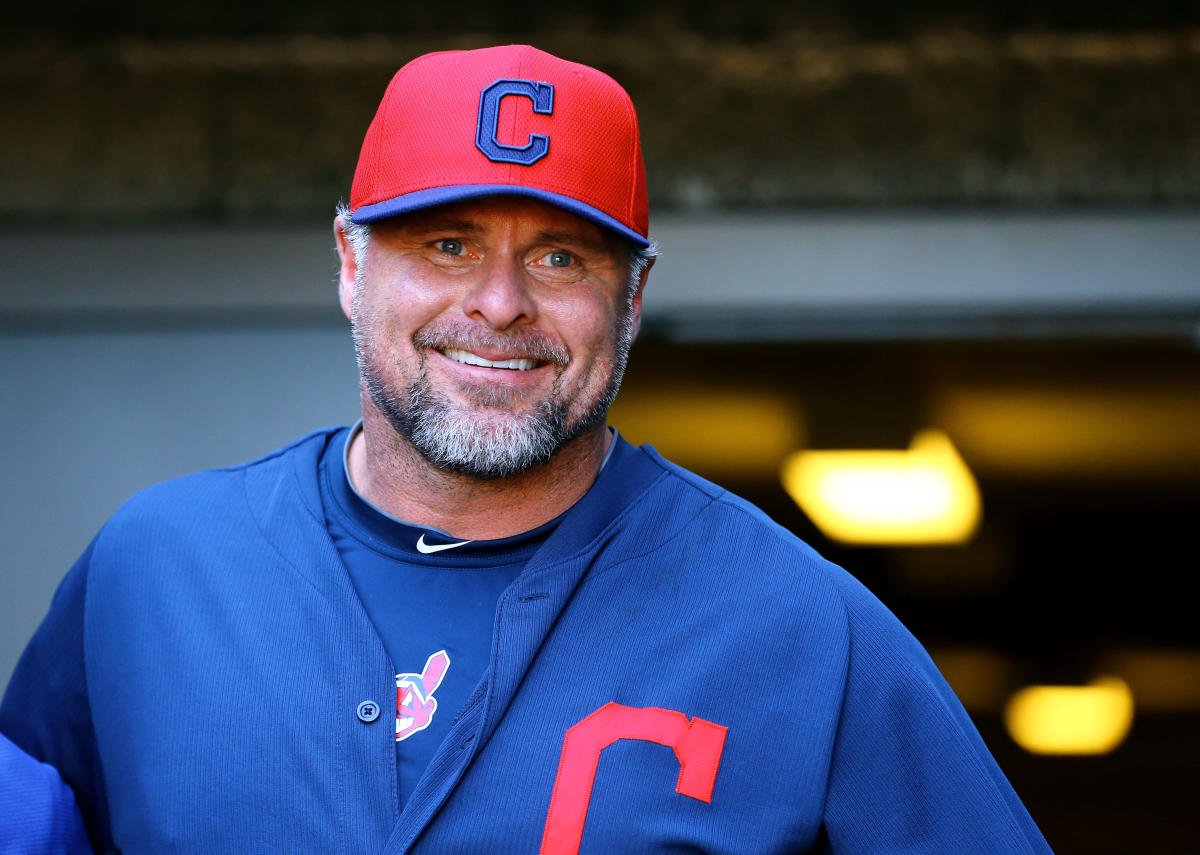
Despite the controversies, Giambi’s impact on the game is undeniable. His leadership, particularly in the later stages of his career, left a lasting impression on his teammates and the organizations he played for. His role as a mentor and his ability to connect with younger players helped shape the next generation of talent.
One of the unique aspects of Giambi’s career was his ability to adapt and evolve as a player. While his peak years were defined by his offensive dominance, his later years showcased his leadership and willingness to embrace a diminished role. Few players transition as smoothly from star to mentor, and Giambi’s ability to do so speaks to his character and love for the game.
Additionally, Giambi’s larger-than-life personality and charisma made him a fan favorite throughout his career. His passion for the game, combined with his willingness to own up to his mistakes, endeared him to fans and teammates alike.
Jason Giambi’s MLB career was a remarkable journey of triumph, controversy, and resilience. His statistical achievements and moments of dominance cemented his place as one of the most powerful and productive hitters of his generation. While his involvement in the steroid era complicates his legacy, Giambi’s contributions to the game, both as a player and a leader, remain significant. His career serves as a reminder of baseball’s complexities, showcasing the highs and lows that define the sport’s history. Through it all, Giambi’s love for the game and his ability to connect with others left a lasting impact that will be remembered for years to come.



 The Baseball Scholar
Leave a comment