
Dazzy Vance’s Major League Baseball career is a remarkable testament to perseverance, skill, and the profound impact that a single player can have on a game. From his relatively late debut in the major leagues to his dominant performances on the mound during the 1920s, Vance carved out a legacy as one of the most feared pitchers of his era. His mastery of the strikeout, his unique pitching style, and his influence on the evolution of baseball all contribute to the lasting impact he left on the sport.
Vance was born on March 4, 1891, in Orient, Ohio. His birth name was Arthur Irwin Vance, and he grew up in a relatively modest setting in the small town of Orient. As a child, Vance developed a passion for baseball, but it wasn’t until his teenage years that his skills truly began to shine. Like many young boys during that era, Vance played baseball in local leagues, and it quickly became evident that he possessed a rare talent for the sport.
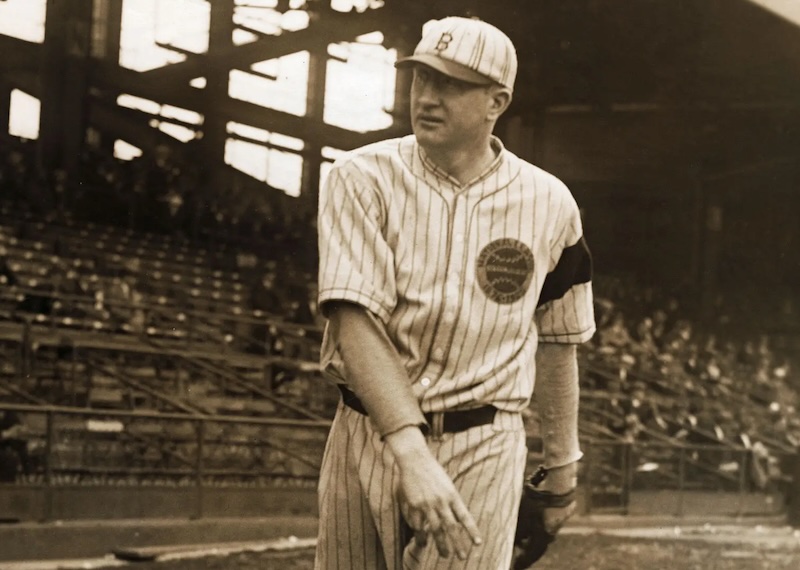
Despite his love for the game, Vance’s early life was fraught with difficulties that delayed his professional career. After high school, he attended the University of Dayton, where he continued to play baseball but was not yet discovered by major league scouts. His early playing days were characterized by a lack of consistent coaching and the financial instability of his family, which meant that he was often relegated to playing in smaller leagues. Vance’s professional career was delayed by a combination of factors, including an injury that kept him away from the game for a time and a lack of proper training.
However, despite these challenges, Vance’s passion for baseball never wavered. He continued to play in various semi-professional leagues across the country, gradually attracting the attention of scouts from various teams. It was during this period of semi-professional play that Vance’s pitching ability began to catch the eye of major league teams. His raw talent, combined with his ability to throw hard and with precision, eventually earned him a spot in the minor leagues, where he played for teams like the Hartford Senators and the Toledo Mud Hens.
It wasn’t until he was 31 years old that Vance made his debut in Major League Baseball. At a time when many players had already established themselves, Vance’s late entry into the league was a rarity, particularly for a pitcher. This delayed start to his career would prove to be a defining characteristic of his journey, and it made his subsequent rise to prominence all the more remarkable.
Dazzy Vance’s major league debut came in 1915 with the Pittsburgh Pirates, but it was with the Brooklyn Robins (later known as the Dodgers) that Vance would truly make his mark. He joined the Robins in 1922, at the age of 31, and from there, his career took off in ways that few could have predicted. Over the course of the next decade, Vance became one of the most dominant pitchers in the National League, earning a reputation for his incredible strikeout abilities and his ability to completely control the game when he was on the mound.
One of the most remarkable aspects of Vance’s career is his ability to strike out batters. While strikeouts were not as prominent in the early days of baseball as they would become in later decades, Vance’s ability to generate swings and misses set him apart from his peers. In 1924, Vance won the National League strikeout title with 262 strikeouts, a feat that was rare for pitchers of his era. His strikeout totals continued to impress throughout his career, and he eventually set a career high with 200 strikeouts in 1927. Vance’s remarkable ability to control the game through his strikeouts earned him the nickname “The Dazzy Destroyer” and cemented his reputation as one of the most feared pitchers in the National League.
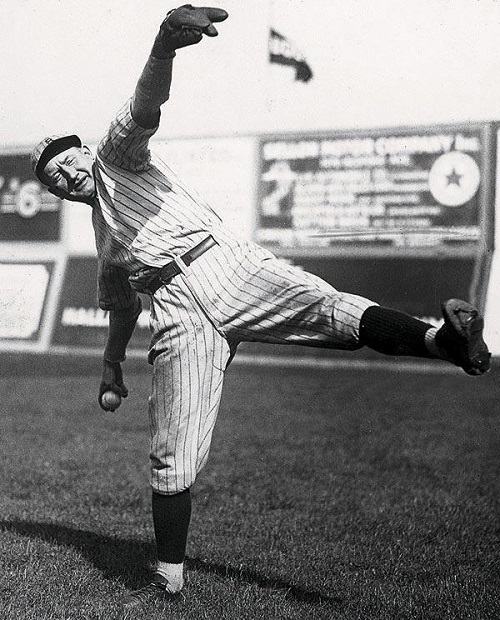
Vance’s success on the mound was not merely a product of his strikeouts; his overall statistics were equally impressive. Over the course of his 13-year major league career, Vance compiled a total of 197 wins, with a career ERA of 3.24. His win total, particularly given the limited number of seasons in which he played, is indicative of the consistency and dominance he exhibited on the mound. Vance was known for his ability to go deep into games, and his 2,181 career innings pitched is a testament to his durability and stamina as a starting pitcher.
Perhaps one of Vance’s most impressive individual achievements came in 1924, when he won the National League Most Valuable Player award. It was a remarkable accomplishment for a pitcher, as MVP awards during that era were typically reserved for position players. In 1924, Vance led the National League in several important categories, including wins (28), strikeouts (262), and ERA (2.16). His exceptional performance helped the Brooklyn Robins contend for the pennant that season, and his ability to consistently dominate opposing lineups was a major factor in the team’s success.
In addition to his MVP award, Vance was selected to the National League All-Star team multiple times during his career. He earned All-Star honors in 1924, 1925, and 1928, and his inclusion in these teams underscored the respect he had earned from his peers. His dominance was not confined to the regular season; he also made notable contributions in postseason play. Vance’s performance in the 1924 World Series, in which he pitched in two games for the Brooklyn Robins, was particularly memorable. Though his team ultimately lost to the Washington Senators, Vance’s performance on the mound showcased his ability to excel under pressure.
Vance’s ability to stay effective late into his career was also remarkable. Even in his late 30s, when many pitchers saw a decline in performance, Vance remained a top-tier starting pitcher. He continued to pitch effectively for the Brooklyn Dodgers, helping to anchor their rotation well into the 1930s. His career lasted longer than many expected, and his sustained success over such a long period was a testament to his skill and resilience as a pitcher.
While Dazzy Vance’s overall career achievements are impressive, it is the specific moments of dominance that truly highlight his brilliance as a pitcher. One of the most memorable seasons of his career was 1924, when he posted a career-high 28 wins and led the National League in several categories. His dominant performances throughout the season were punctuated by his incredible ability to strike out batters, and he became known for his pinpoint control and devastating curveball. Vance’s performance during this season is often cited as one of the best pitching campaigns of the 1920s.
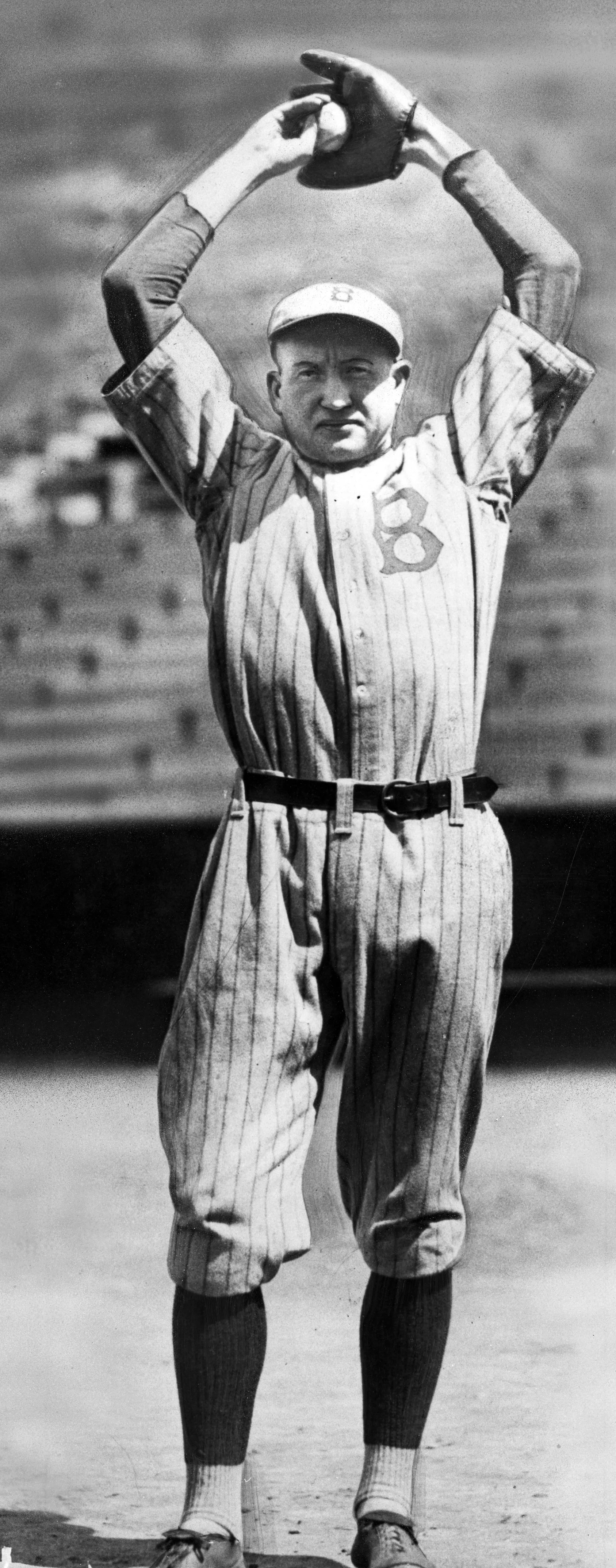
Another iconic moment in Vance’s career came in 1928 when he struck out 13 batters in a game against the Philadelphia Phillies. His 13 strikeouts were a career high and a reflection of his ability to overpower even the best hitters in the league. This game exemplified Vance’s ability to take control of a game and make hitters look helpless at the plate. His strikeout prowess became legendary, and he was regarded as one of the most unhittable pitchers of his era.
One of the most interesting anecdotes from Vance’s playing days involves his battle with arm injuries. In the early years of his career, Vance struggled with elbow and shoulder issues, which often kept him out of the lineup for extended periods. However, his determination to succeed never wavered, and he would often push himself to pitch through pain, using his grit and toughness to maintain his place in the rotation. Vance’s ability to overcome these physical challenges speaks to his perseverance and commitment to his craft.
There is also an interesting story surrounding Vance’s rise to prominence with the Brooklyn Robins. After joining the team in 1922, Vance spent several years as a relatively unknown pitcher who struggled to secure consistent playing time. However, in 1924, he blossomed into one of the best pitchers in the league, and his transformation from a marginal player to a superstar was nothing short of remarkable. Vance’s turnaround is often cited as one of the great stories of baseball perseverance, and it is a reminder that success in the major leagues is not always immediate, but often comes after years of hard work and determination.
Dazzy Vance’s impact on baseball extends far beyond his individual statistics and accolades. He was one of the pioneering pitchers of his era, helping to define the role of the strikeout pitcher in the modern game. His mastery of the curveball, combined with his ability to generate swings and misses, laid the groundwork for future generations of pitchers who would follow in his footsteps. Vance’s success during the 1920s helped to shift the focus of pitching away from the traditional reliance on control and ground balls toward a more aggressive, strikeout-driven approach.
Vance also had a significant influence on the way pitchers approached the game mentally. His determination, his ability to overcome injuries, and his mastery of different pitches made him a role model for young pitchers who looked up to him as an example of what it meant to be a true professional. His work ethic and his ability to excel despite physical challenges were qualities that future generations of pitchers would come to admire.
While Vance was not as well-known outside of his era as some of his contemporaries, such as Grover Cleveland Alexander or Walter Johnson, his contributions to the game were profound. His dominance on the mound, his work ethic, and his ability to reshape the role of the strikeout pitcher helped to redefine the landscape of baseball pitching. Even today, Vance’s name is remembered by those who study the history of pitching, and his legacy continues to inspire players who aspire to achieve greatness on the mound.
Dazzy Vance’s life and career were marked by several unique aspects that set him apart from many of his peers. One of the most notable aspects of his career was his late debut in the major leagues. While most pitchers in his era began their careers in their early 20s, Vance made his debut at the age of 31, a late start by baseball standards. This late entry into the league only makes his subsequent success all the more remarkable. Vance’s story is a reminder that talent, perseverance, and opportunity can sometimes emerge at unexpected times.
Vance was also known for his distinctive pitching style. He possessed a devastating curveball, which became one of his signature pitches. His ability to control this pitch with precision and use it to generate swings and misses made him a nightmare for opposing hitters. Vance’s mastery of the curveball was one of the defining features of his career, and it helped to set him apart from other pitchers of his era.
Another unique aspect of Vance’s career was his role as a mentor to younger pitchers. As he entered the later stages of his career, Vance took on a leadership role within the Brooklyn Dodgers’ pitching staff. His experience and knowledge of the game made him an invaluable resource for younger pitchers, and he was often called upon to offer advice and guidance to players who were just beginning their careers. Vance’s role as a mentor helped to shape the future of the Dodgers’ pitching staff and had a lasting impact on the team’s success in the years to come.
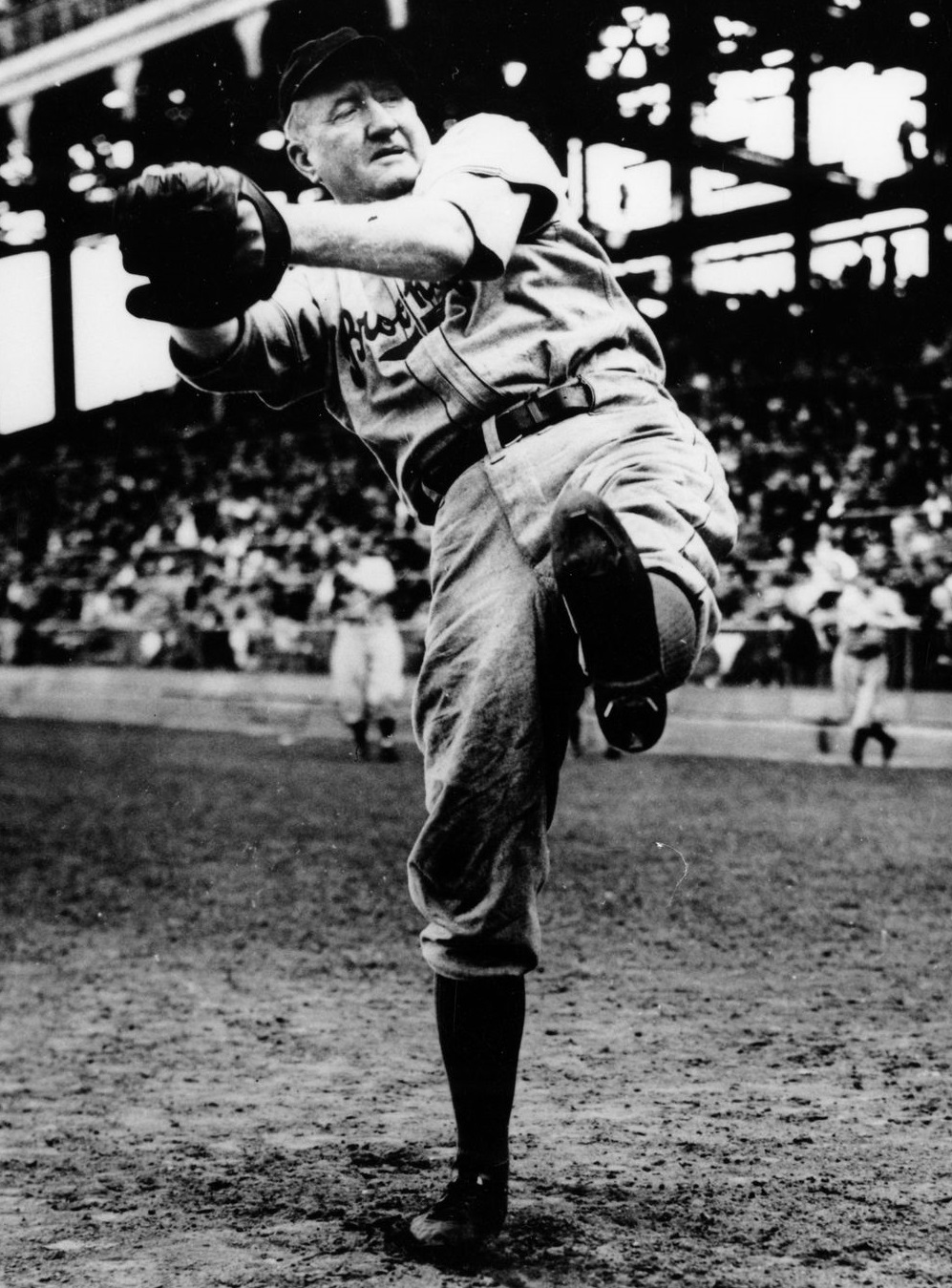
Dazzy Vance’s career remains one of the most compelling stories in the history of Major League Baseball. His statistical achievements, his dominance on the mound, and his impact on the evolution of pitching all contribute to his lasting legacy. Vance’s perseverance, determination, and innovative approach to the game helped to define an era of baseball and laid the foundation for future generations of pitchers. Despite a career that began later than most, Vance’s success on the mound stands as a testament to his talent and resilience. His legacy as a pitcher, mentor, and leader within the game will continue to inspire players and fans alike for generations to come.



 The Baseball Scholar
Leave a comment