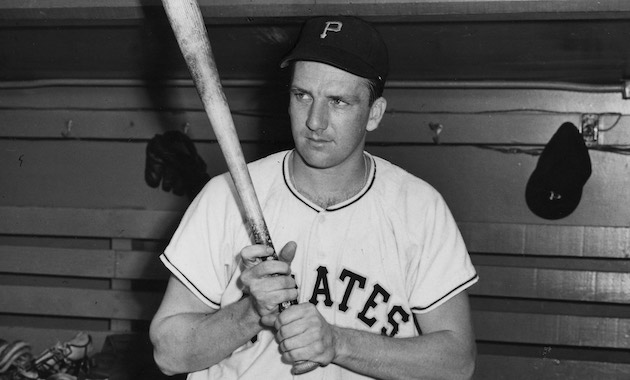
Ralph Kiner, one of Major League Baseball’s most feared and revered sluggers, was a player whose career, though short in duration, left an indelible mark on the game. Known for his prodigious power, Kiner’s ability to hit home runs was unparalleled during his time, and his impact on baseball transcended his playing days.
Ralph McPherran Kiner was born on January 27, 1922, in Santa Rita, New Mexico. Raised in a military family, Kiner’s childhood was marked by frequent moves. The Kiner family lived in various places, including Washington, D.C., and California. This itinerant lifestyle would shape much of Kiner’s early experience. Despite these disruptions, Ralph developed a love for baseball at a young age. By the time he was in high school, he had already begun to showcase his prodigious talent for hitting.
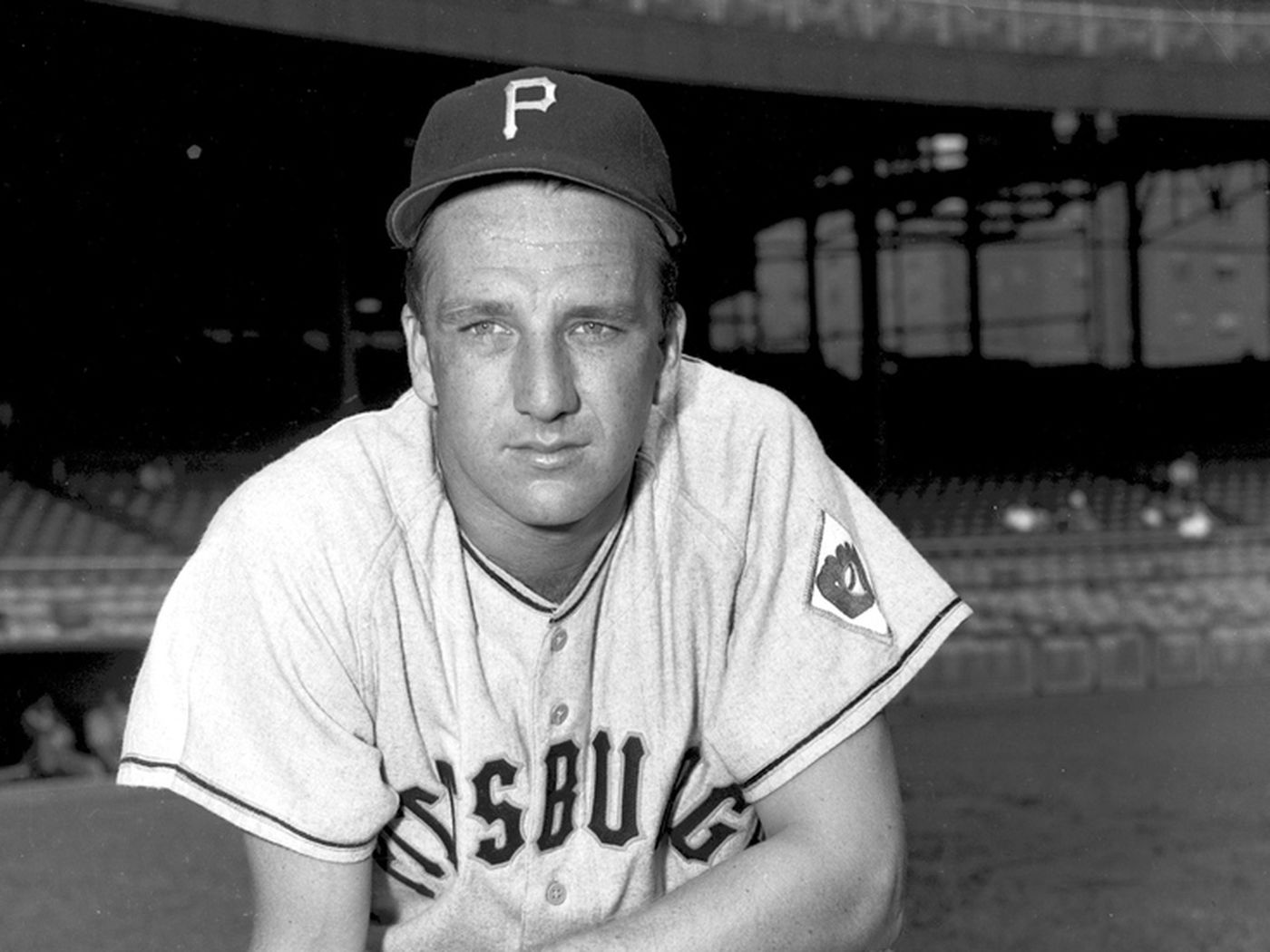
Kiner attended the University of Southern California (USC), where he played baseball and quickly caught the attention of scouts. He was known for his impressive physical stature and his ability to hit the ball with incredible power, even in his amateur years. His college days were an early precursor to what would become a legendary career in professional baseball. By 1941, Kiner had shown enough promise that the Pittsburgh Pirates, in need of a power hitter, selected him in the 1941 Major League Baseball Draft.
However, Kiner’s path to the major leagues was delayed by World War II. Like many of his peers, Kiner enlisted in the military, serving in the U.S. Navy during the war. This time away from the game, while understandable given the context of the era, cut into his prime years as a baseball player. Nonetheless, Kiner’s return to baseball after the war set the stage for what would be an explosive career.
Ralph Kiner made his Major League Baseball debut for the Pittsburgh Pirates on April 13, 1946. Almost immediately, his immense power was evident. In his first full season, Kiner hit 23 home runs, and his ability to consistently send the ball out of the park quickly made him one of the most feared power hitters in the game. His arrival in the majors was the beginning of a spectacular, albeit brief, career.
One of Kiner’s most notable accomplishments came in his rookie season. Despite the relative inexperience of his first year, he finished with a .313 batting average and led the National League in home runs with 23. Kiner’s success didn’t go unnoticed, and he was named to the All-Star team in just his first season. This was just the beginning of his dominance as a slugger in the National League.
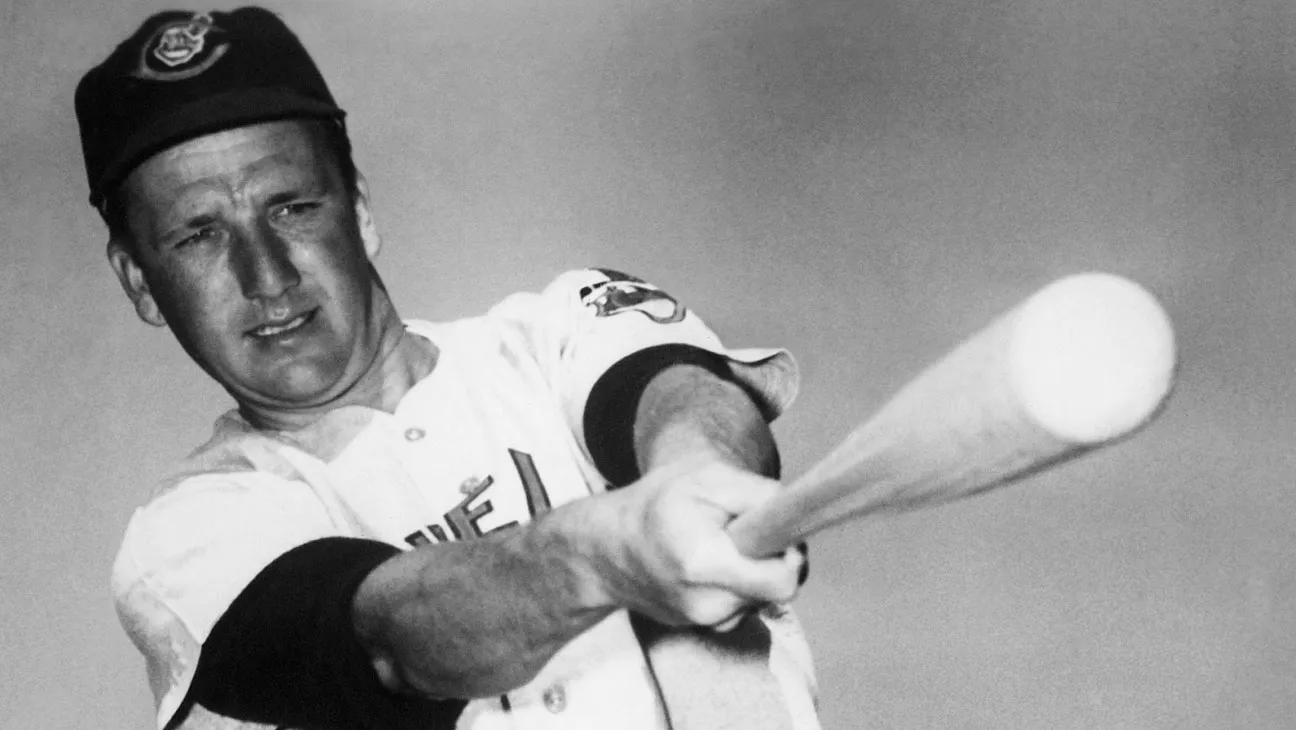
Kiner’s home run numbers exploded over the next several seasons. He led the National League in home runs for seven consecutive years, from 1946 to 1952. His peak came in 1947 when he hit 51 home runs, a total that would have been impressive in any era, but was especially remarkable given the context of the 1940s and 1950s, when hitting in general was often more difficult than in the later “live ball” era. In fact, Kiner’s total in 1947 was the highest in Major League Baseball, a testament to his strength and timing at the plate.
Kiner’s consistency was another hallmark of his career. Over the course of his 10 seasons in the major leagues, he hit 369 home runs, a number that ranks him among the all-time greats of the game. His power was often his calling card, but it wasn’t the only aspect of his game that stood out. Kiner finished his career with a lifetime batting average of .279, which, while not stellar by the standards of some of his contemporaries, is nonetheless impressive given the pressure to hit for power during his era. His ability to combine both power and a solid batting average made him a valuable asset to the Pirates and other teams he played for.
While Kiner’s home runs were the main attraction, his career also featured notable achievements in other areas. He was a six-time All-Star and finished in the top 10 of MVP voting in five different seasons. Additionally, Kiner’s ability to draw walks helped him post on-base percentages that were among the best in the league during his career. His 162 walks in 1952, for example, was a National League record at the time and demonstrated his keen eye at the plate, an underrated aspect of his offensive game.
Throughout his career, Kiner experienced several key moments that solidified his place in the pantheon of baseball greats. One of the most memorable moments came in 1949 when Kiner launched 47 home runs, a total that placed him among the league’s elite sluggers. His prodigious power earned him respect not only from fans but also from fellow players and coaches, who marveled at his ability to consistently hit the ball out of the park.
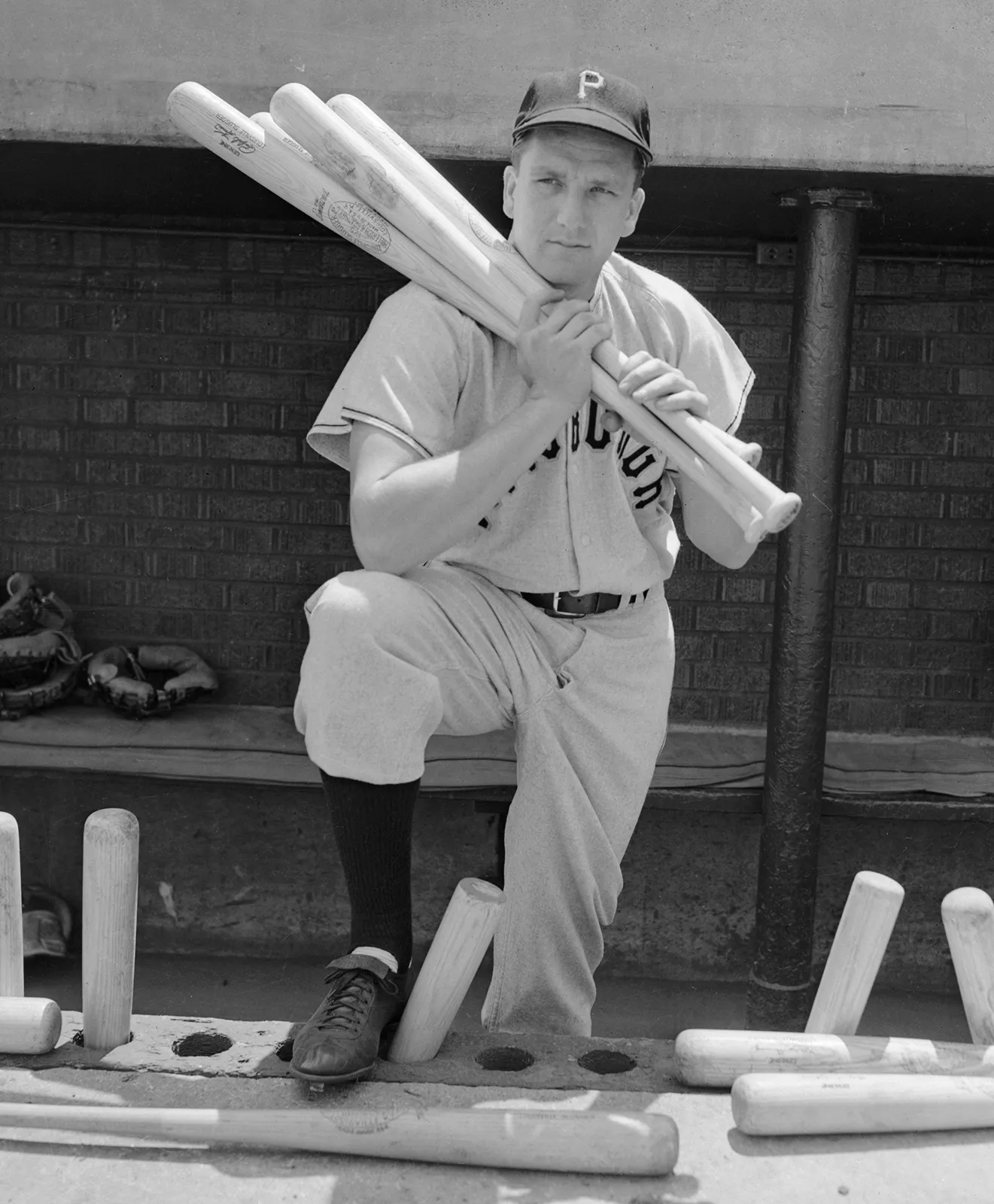
However, Kiner’s playing years were not without challenges. One of the most notable aspects of his career was the tension he experienced with the management of the Pittsburgh Pirates. Despite his incredible performance on the field, Kiner often found himself at odds with the team’s front office, particularly with general manager Branch Rickey. Rickey, who had previously masterminded the Brooklyn Dodgers’ integration efforts and was known for his analytical approach to the game, often expressed dissatisfaction with Kiner’s lack of defensive prowess. This led to an unusual situation where Kiner, despite his offensive excellence, was traded to the Chicago Cubs in 1953. The move was controversial, as Kiner’s bat had carried the Pirates for years, and many fans felt that the organization had not done enough to support him.
Despite the trade, Kiner’s time with the Cubs was relatively short, and by 1955, he was forced to retire from the game due to persistent back injuries that had plagued him throughout his career. Though his career was cut short, Kiner’s ability to maintain his power-hitting dominance during his peak years is a testament to his unique ability to drive the ball out of the park consistently.
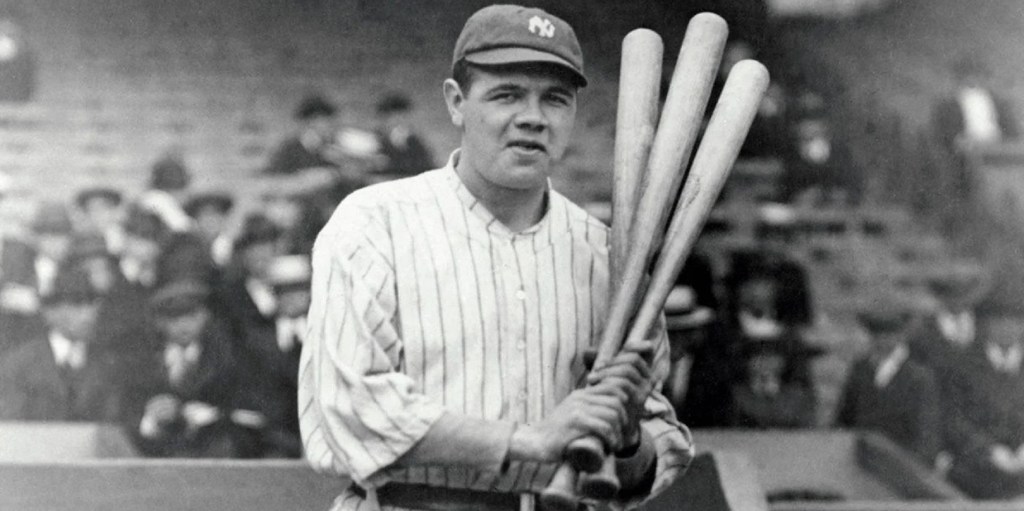
Ralph Kiner’s impact on baseball goes far beyond his impressive home run totals and All-Star appearances. His legacy is shaped by how he changed the way people viewed power hitting in baseball. Prior to Kiner, players like Babe Ruth had set the standard for what was possible in terms of power hitting, but Kiner brought the game into a new era with his sustained excellence. His ability to lead the league in home runs year after year made him a fixture in the National League and elevated the role of the power hitter in the league’s offensive structure.
Kiner’s impact also extended to the way in which modern baseball analyzed the home run. During Kiner’s career, the “dead ball” era was transitioning into the more modern “live ball” era, and Kiner’s consistent ability to hit for power helped fuel the shift in the way players were evaluated. His success as a home run hitter showed that even in the early days of the live ball era, players could still impact the game significantly with their power, and this idea would continue to evolve into the power-centric game of the 1980s and beyond.
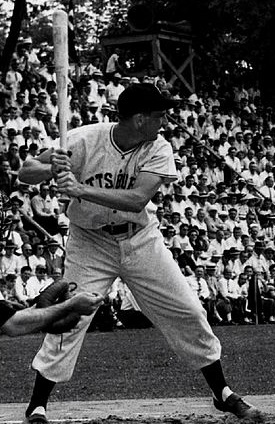
Furthermore, Kiner’s importance was not limited to his bat. He played in an era when power hitting was not always seen as the most important aspect of the game. His success as a power hitter and his ability to remain a consistent force at the plate paved the way for future players who would specialize in hitting for power, such as Willie Mays, Hank Aaron, and later, Barry Bonds. Kiner’s career helped establish a model for how players could make an impact on the game through their bat, and in doing so, he became a trailblazer for future generations of sluggers.
Kiner’s contributions to baseball also included his role as a broadcaster. After retiring from playing, he transitioned into a highly successful career as a radio and television broadcaster for the New York Mets. His enthusiasm for the game, his deep knowledge of baseball, and his ability to connect with fans made him a beloved figure in the broadcasting booth. Kiner’s insight into the game, coupled with his engaging personality, allowed him to bridge the gap between the golden age of baseball and the newer generations of fans. His time as a broadcaster extended his legacy far beyond the field and into the hearts of countless fans.
One of the most unique aspects of Ralph Kiner’s career was the combination of his power-hitting abilities and his relatively short playing career. While players like Hank Aaron, Willie Mays, and Babe Ruth are remembered for their long and sustained careers, Kiner’s career was truncated by injuries, including chronic back issues that limited his longevity. His ability to post such impressive numbers despite this limitation speaks volumes about his talent and determination.
Another unique aspect of Kiner’s life was his personality. Known for his quick wit and humorous commentary, Kiner had a unique charm that resonated with both his teammates and fans. His broadcasting career, which spanned decades, allowed him to share his personality with a new generation of baseball fans, giving them a glimpse into the mind of one of the game’s great sluggers. Kiner’s affable nature and deep love for the game made him a beloved figure both on and off the field.
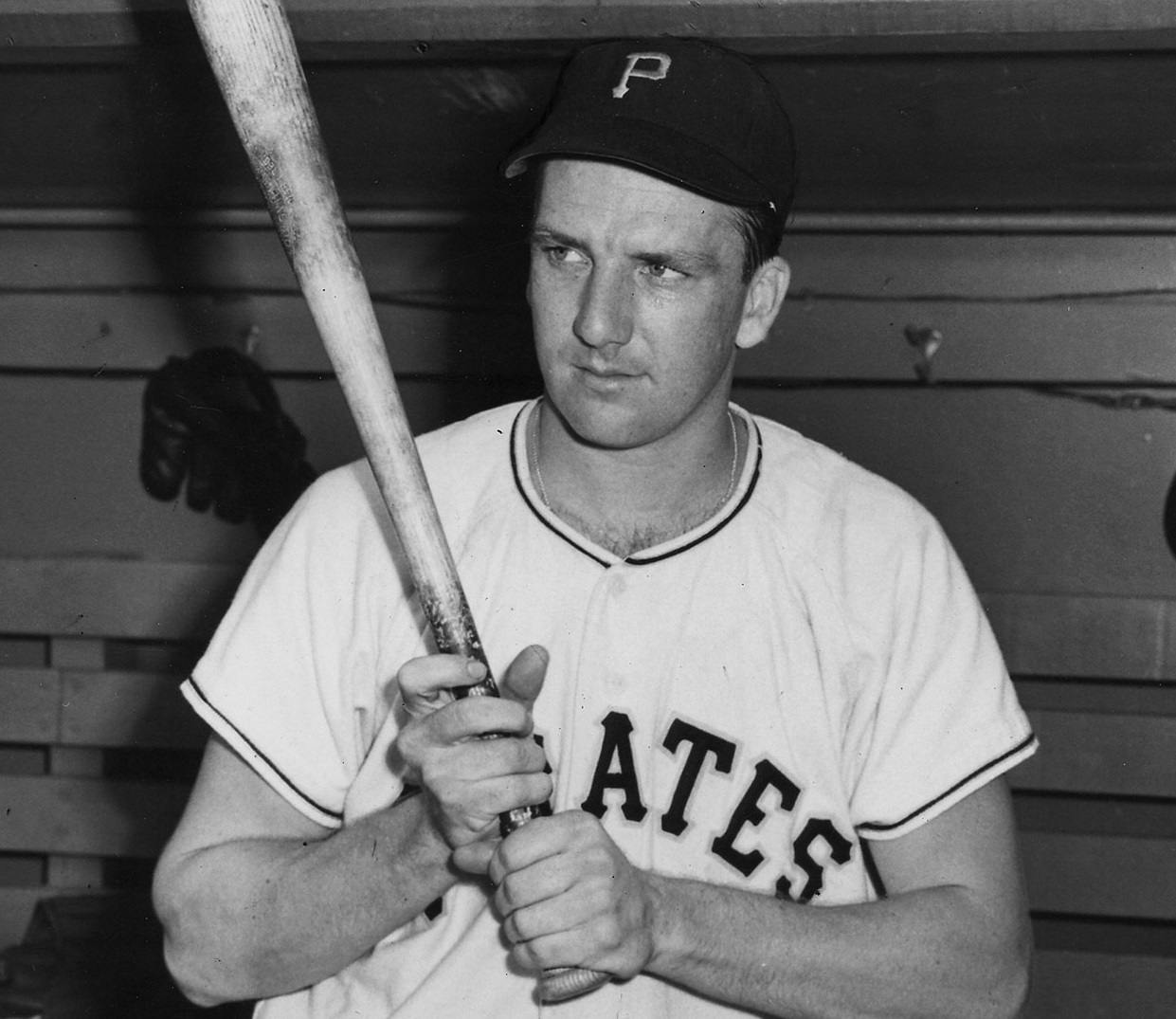
Ralph Kiner’s career is one of the most remarkable in the history of Major League Baseball. His power at the plate, his influence on the development of power hitting in the sport, and his ability to leave a lasting legacy as a broadcaster all ensure that his impact on the game will never be forgotten. Despite his relatively brief time as a player, Kiner’s statistical achievements, including his seven consecutive home run titles, 369 career home runs, and multiple All-Star appearances, place him among the elite players in the history of the game. His career was a testament to the power of a single swing and the enduring legacy of a player who understood the beauty of baseball and its capacity to captivate fans.



 The Baseball Scholar
Leave a comment