
Jim Palmer, a towering figure in Major League Baseball (MLB) history, is widely celebrated for his dominance on the mound, his consistency over an extended career, and his profound impact on the game. As one of the finest pitchers of his generation, Palmer epitomized excellence, professionalism, and longevity. His storied career with the Baltimore Orioles, marked by numerous accolades, statistical milestones, and unforgettable performances, established him as one of the all-time greats.
James Alvin Palmer was born on October 15, 1945, in New York City, but his path to greatness began after his adoption by Moe and Polly Wiesen, who provided him with a supportive upbringing. The family relocated to California, where Palmer developed a love for sports, excelling in basketball, football, and baseball. A natural athlete, Palmer’s combination of talent, work ethic, and mental toughness became evident during his formative years.
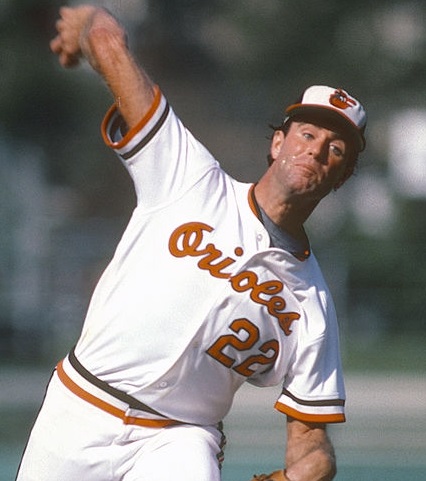
Palmer attended Scottsdale High School in Arizona, where his pitching ability began to attract attention. Armed with a strong arm and an unshakable determination to succeed, Palmer committed himself to developing his craft. His impressive performances in high school earned him a spot at the University of Southern California, but he ultimately signed with the Baltimore Orioles in 1963, beginning a journey that would redefine the trajectory of his life and career.
Jim Palmer made his MLB debut on April 17, 1965, at the age of 19. His rookie season provided glimpses of his potential, but it was the 1966 season that signaled his arrival as a major force in the league. That year, the Orioles, led by a talented roster and manager Hank Bauer, captured their first World Series championship. Palmer contributed significantly to the team’s success, including a standout performance in Game 2 of the World Series against the Los Angeles Dodgers. In that game, Palmer, just 20 years old, pitched a complete-game shutout against future Hall of Famer Sandy Koufax, becoming the youngest pitcher to achieve such a feat in a Fall Classic.
Despite his early success, Palmer faced adversity in the form of injuries that sidelined him for much of the 1967 and 1968 seasons. These setbacks tested his resolve and threatened to derail his career, but Palmer’s determination and work ethic enabled him to recover and return stronger than ever. By the 1969 season, he had reestablished himself as one of the Orioles’ premier pitchers, posting a 16-4 record with a 2.34 ERA.
Jim Palmer’s career statistics are a testament to his brilliance and consistency. Over 19 seasons, all with the Baltimore Orioles, Palmer amassed 268 wins against 152 losses, a career ERA of 2.86, and 2,212 strikeouts. His achievements on the mound included eight 20-win seasons, three Cy Young Awards (1973, 1975, 1976), and six All-Star selections. Palmer’s ability to perform at an elite level over such an extended period is a reflection of his exceptional talent, rigorous preparation, and deep understanding of the game.

One of Palmer’s most remarkable attributes was his ability to adapt and excel in a variety of situations. Known for his powerful fastball, pinpoint control, and devastating curveball, Palmer was equally effective in high-pressure games and routine outings. His consistency was unparalleled, as evidenced by his streak of eight consecutive seasons (1970-1978) with an ERA under 3.00.
Palmer’s postseason record further underscores his value as a clutch performer. He appeared in six World Series (1966, 1969, 1970, 1971, 1979, and 1983), winning three championships with the Orioles. Over 17 World Series games, Palmer posted a 4-2 record with a 3.20 ERA. His ability to deliver in the most critical moments of the season cemented his reputation as one of the most reliable pitchers in postseason history.
Throughout his career, Jim Palmer delivered numerous memorable performances that showcased his dominance and competitive spirit. In addition to his historic shutout of the Dodgers in the 1966 World Series, Palmer’s mastery of opposing hitters was on full display during his Cy Young-winning seasons.
In 1973, Palmer compiled a 22-9 record with a 2.40 ERA and 158 strikeouts, leading the American League in wins and ERA. He followed this with an even more impressive campaign in 1975, posting a 23-11 record with a 2.09 ERA and 193 strikeouts. Palmer’s ability to maintain such a high level of performance year after year was a testament to his physical conditioning and mental toughness.
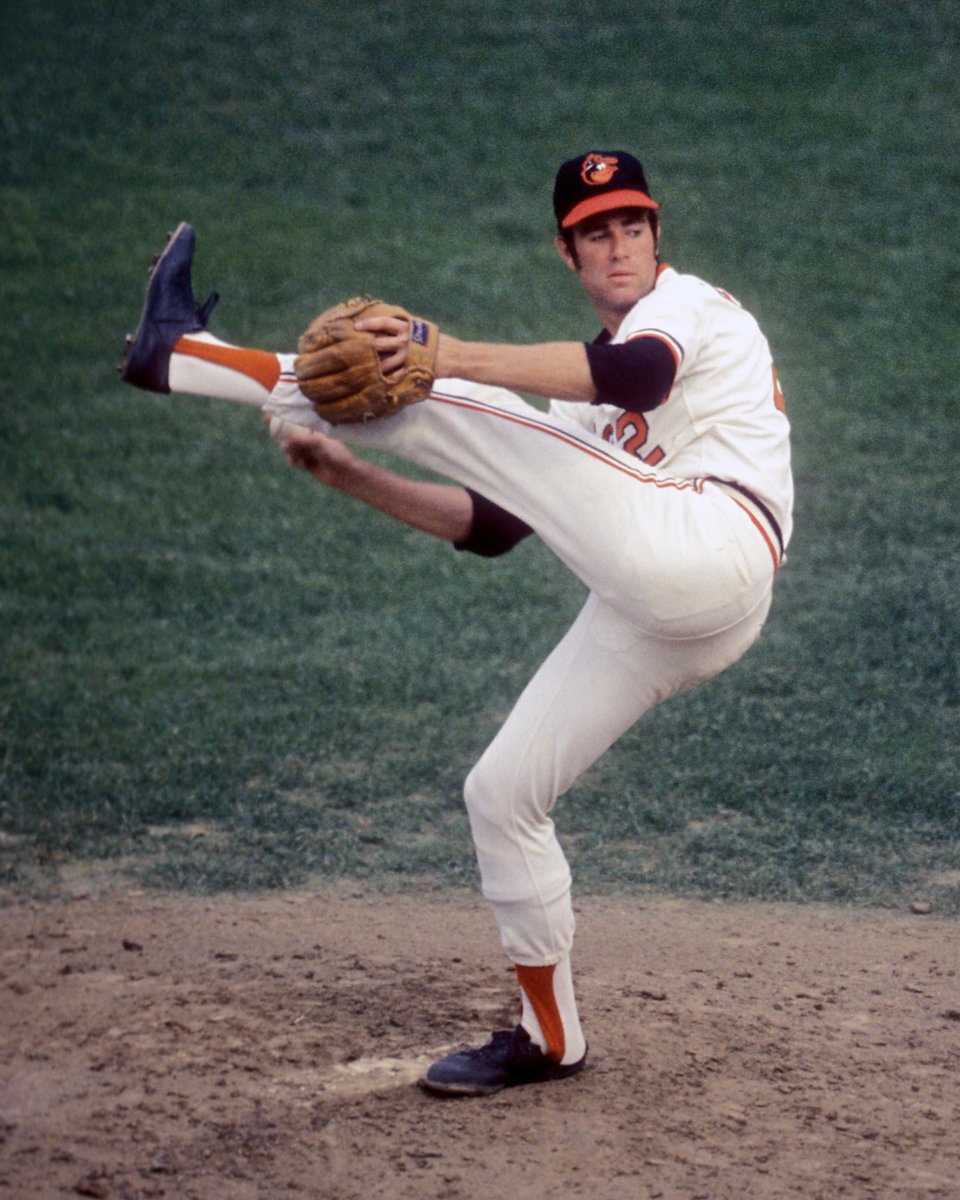
Another defining moment came in the 1979 postseason, when Palmer played a crucial role in the Orioles’ run to the World Series. Despite being in the later stages of his career, Palmer delivered a series of strong performances, including a key victory in Game 3 of the American League Championship Series against the California Angels. Though the Orioles ultimately fell to the Pittsburgh Pirates in the World Series, Palmer’s contributions underscored his value as a leader and competitor.
Jim Palmer’s career was marked by several unique attributes that set him apart from his peers. One notable aspect was his durability and resilience. Despite dealing with injuries early in his career, Palmer became known for his ability to stay healthy and pitch effectively well into his late 30s. His commitment to physical fitness and a rigorous training regimen were ahead of their time and contributed significantly to his longevity.
Palmer’s relationship with the Orioles organization was another defining feature of his career. He spent his entire MLB career with Baltimore, a rarity in an era when player movement became increasingly common. This loyalty endeared him to Orioles fans and solidified his status as one of the franchise’s most iconic figures.
Off the field, Palmer’s charisma and good looks made him a marketable figure. He became a spokesperson for various brands, including Jockey underwear, and his media presence helped raise his profile beyond the baseball diamond. Palmer also transitioned seamlessly into broadcasting after his playing days, providing insightful analysis as a color commentator for Orioles games and national broadcasts.

Jim Palmer’s impact on baseball extends far beyond his impressive statistics and accolades. As one of the greatest pitchers in MLB history, he set a standard of excellence that has inspired countless players who followed in his footsteps. Palmer’s ability to perform at an elite level for nearly two decades demonstrated the importance of preparation, adaptability, and a deep understanding of the game.
Palmer’s contributions to the Orioles’ success during the 1960s, 1970s, and early 1980s helped establish Baltimore as one of baseball’s premier franchises. His leadership and performance were instrumental in the team’s six American League pennants and three World Series titles during his tenure. Palmer’s legacy as an Oriole is unmatched, and his No. 22 jersey was retired by the team in 1985 as a tribute to his contributions.
In addition to his on-field accomplishments, Palmer’s role as a broadcaster and ambassador for the game has allowed him to remain a prominent figure in baseball. His ability to articulate the nuances of pitching and share his experiences with fans has enriched the sport and deepened its connection with audiences.
Jim Palmer’s MLB career is a testament to the power of talent, hard work, and perseverance. From his humble beginnings in California to his rise as one of the greatest pitchers in baseball history, Palmer’s journey is a story of dedication and excellence. His statistical achievements, including 268 wins, three Cy Young Awards, and eight 20-win seasons, reflect his dominance on the mound, while his postseason success and leadership underscore his value as a competitor.
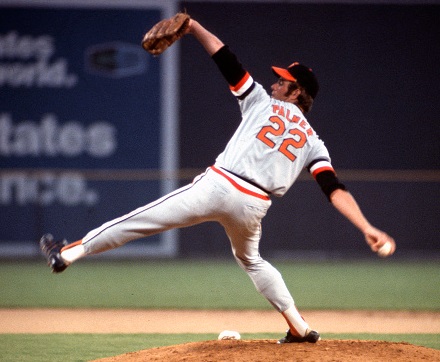
Beyond the numbers, Palmer’s impact on baseball is evident in his influence on future generations of players and his contributions as a broadcaster and ambassador for the sport. His loyalty to the Baltimore Orioles and his enduring connection with fans have made him a beloved figure in baseball history. As a Hall of Famer and a symbol of excellence, Jim Palmer’s legacy will continue to inspire and resonate with baseball enthusiasts for generations to come.



 The Baseball Scholar
Leave a comment