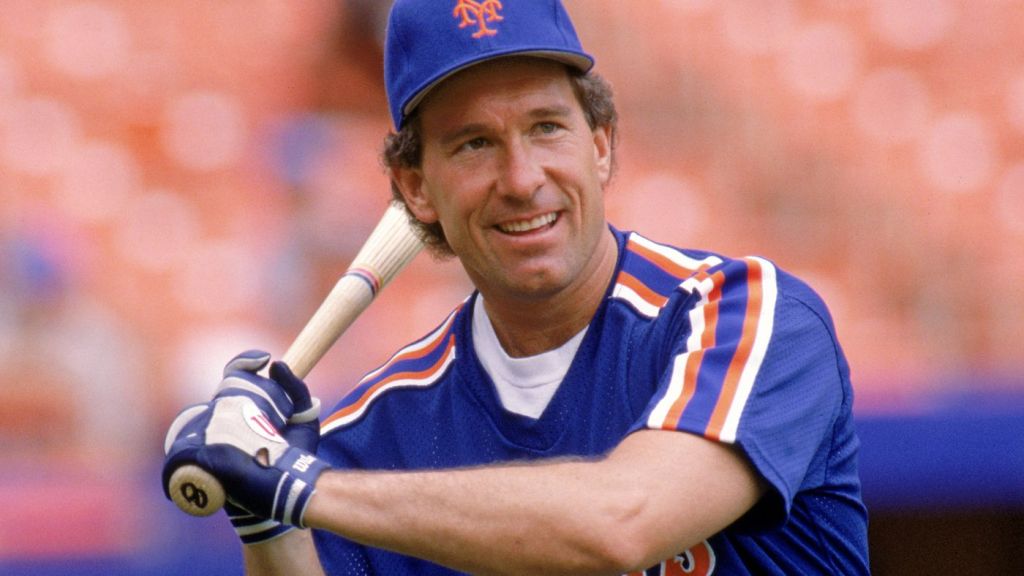
Gary Carter, known affectionately as “The Kid,” was one of the most accomplished catchers in Major League Baseball (MLB) history. Renowned for his enthusiasm, leadership, and exceptional skills on both sides of the ball, Carter’s career left an indelible mark on the game. Over a career that spanned from 1974 to 1992, he played for the Montreal Expos, New York Mets, San Francisco Giants, and Los Angeles Dodgers, earning accolades for his offensive prowess, defensive excellence, and ability to inspire his teammates. Carter’s legacy extends far beyond his statistical achievements, as he became a symbol of dedication and passion for baseball.
Gary Edmund Carter was born on April 8, 1954, in Culver City, California. Growing up in a sports-oriented family, Carter displayed remarkable athletic ability from an early age. He excelled in baseball, football, and other sports, but it was on the diamond where his talent truly shone. Carter attended Sunny Hills High School in Fullerton, California, where he earned recognition as a standout athlete. After graduating, he was drafted by the Montreal Expos in the third round of the 1972 MLB Draft. Initially a shortstop, Carter transitioned to the catcher position early in his professional career, a move that would define his future in the sport.
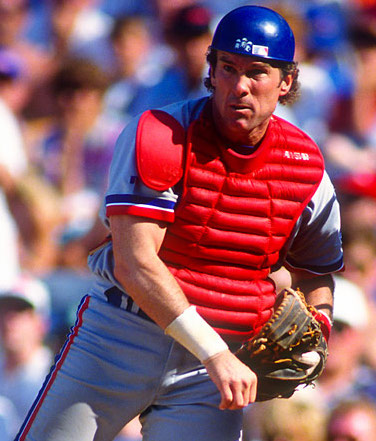
Carter made his MLB debut with the Montreal Expos on September 16, 1974. His enthusiasm and hard-nosed approach to the game quickly endeared him to teammates and fans alike. By the 1975 season, he had established himself as a regular in the Expos’ lineup, demonstrating his potential as both a hitter and a defensive stalwart. Carter’s ability to call games, block pitches, and control the running game made him one of the premier defensive catchers of his era. Meanwhile, his offensive capabilities were equally impressive, as he combined power and consistency at the plate.
The late 1970s and early 1980s saw Carter rise to prominence as one of the best players in baseball. In 1980, he enjoyed a breakout season, hitting .264 with 29 home runs and 101 RBIs. That year marked the first of many All-Star selections for Carter, as he solidified his place among the elite catchers in the league. In 1981, he helped lead the Expos to their first and only postseason appearance during his tenure, where they reached the National League Championship Series (NLCS) before falling to the Los Angeles Dodgers. Carter’s performance in the postseason highlighted his clutch hitting and leadership under pressure.
Carter’s time in Montreal was marked by individual brilliance, but the team often struggled to achieve consistent success. Despite this, Carter’s impact on the franchise was profound. He became the face of the Expos, earning the admiration of fans for his relentless work ethic and genuine love for the game. By the time he left the Expos after the 1984 season, Carter had set numerous franchise records, including most home runs, RBIs, and games caught. His tenure with the Expos solidified his reputation as one of the premier players of his generation.
In 1985, Carter was traded to the New York Mets, a move that would bring him greater national recognition and team success. Joining a talented roster that included stars like Keith Hernandez, Dwight Gooden, and Darryl Strawberry, Carter became the veteran leader the Mets needed. In his first season with the team, he hit .281 with 32 home runs and 100 RBIs, earning another All-Star selection and finishing sixth in the National League MVP voting. Carter’s arrival signaled a turning point for the Mets, who were on the cusp of becoming one of the dominant teams in baseball.
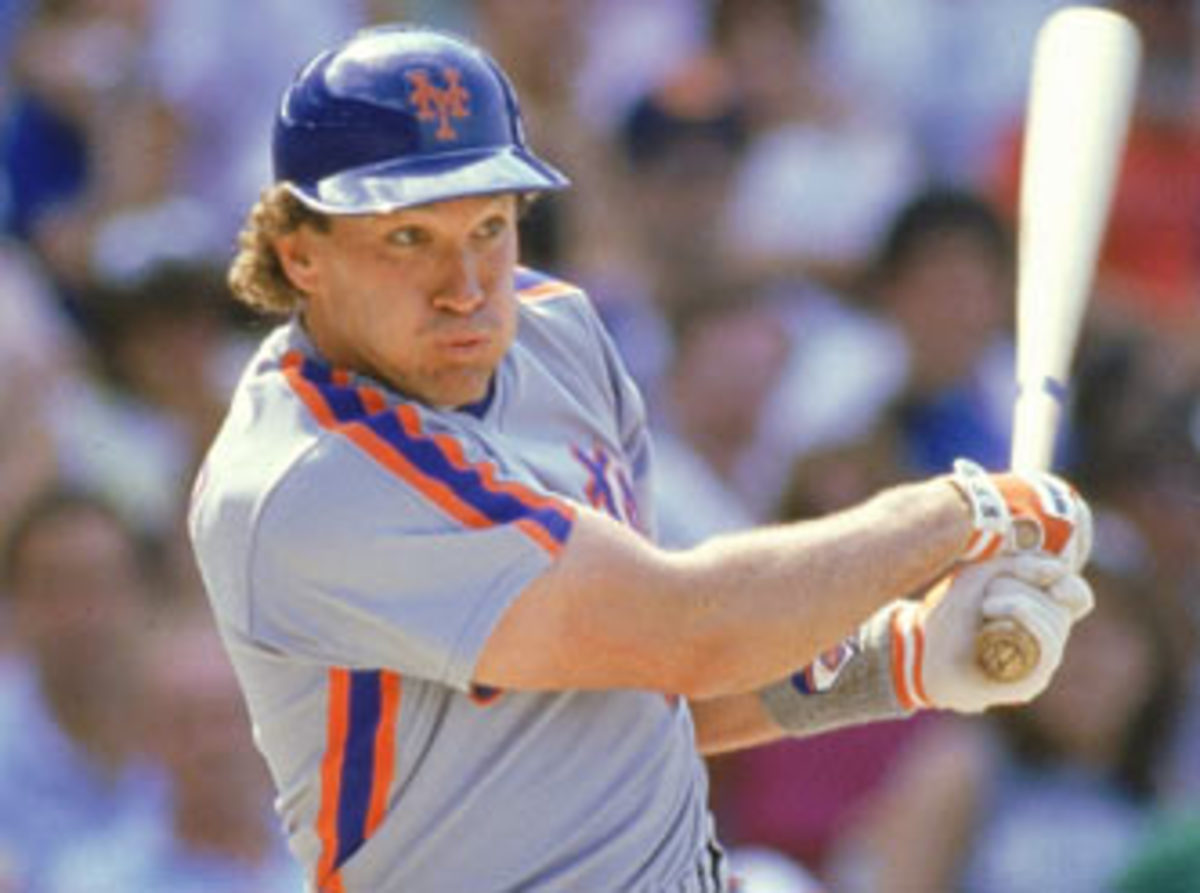
The pinnacle of Carter’s career came in 1986 when he played a central role in leading the Mets to a World Series championship. During the regular season, Carter hit 24 home runs and drove in 105 runs, earning yet another All-Star nod. In the postseason, his leadership and clutch performances were on full display. In the World Series against the Boston Red Sox, Carter delivered several key hits, including a two-run single in Game 7 that helped the Mets secure the title. His contributions to the championship run cemented his status as one of the most revered players in franchise history.
Beyond his on-field achievements, Carter was known for his infectious enthusiasm and positive attitude. Nicknamed “The Kid” for his youthful exuberance and love for the game, he was a favorite among fans, teammates, and even opponents. Carter’s work ethic and professionalism set an example for younger players, and his ability to connect with people made him a beloved figure in the baseball community.
After leaving the Mets following the 1989 season, Carter had brief stints with the San Francisco Giants, Los Angeles Dodgers, and a return to the Expos before retiring in 1992. Though his later years were less productive statistically, his impact on the game remained profound. Carter finished his career with a .262 batting average, 324 home runs, and 1,225 RBIs. He was an 11-time All-Star, a three-time Gold Glove Award winner, and a five-time Silver Slugger Award recipient. His achievements as a catcher rank among the best in MLB history, and his contributions to his teams were invaluable.
Carter’s legacy extends far beyond his statistics. As one of the premier catchers of his era, he helped redefine the position, combining offensive firepower with defensive excellence. His ability to manage pitchers, block the plate, and throw out baserunners made him a complete player, while his leadership qualities elevated the performance of those around him. Carter’s influence on the game can also be seen in his impact on future generations of catchers, who have sought to emulate his approach and work ethic.
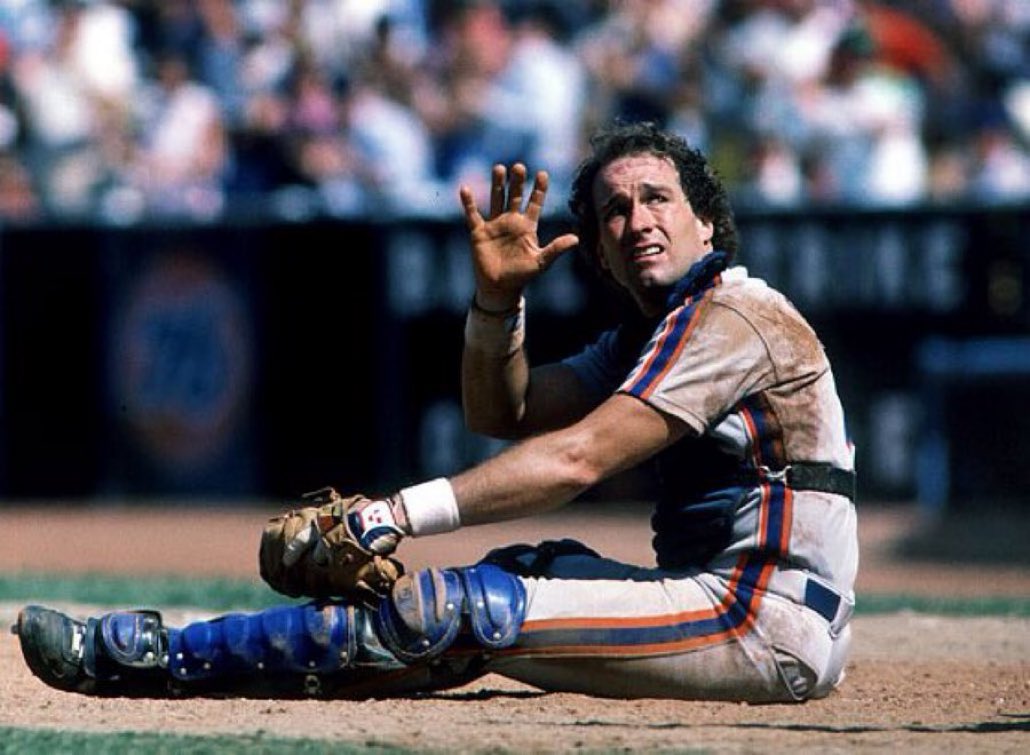
In 2003, Gary Carter was inducted into the Baseball Hall of Fame, a fitting recognition of his remarkable career and contributions to the sport. During his induction speech, Carter spoke passionately about his love for baseball, his gratitude for the opportunities he had been given, and his appreciation for the fans who supported him throughout his journey. His induction into the Hall of Fame solidified his place among the all-time greats and ensured that his legacy would be remembered for generations to come.
Off the field, Carter remained an influential figure in the baseball community. He worked as a coach and mentor, sharing his knowledge and passion for the game with aspiring players. Carter’s dedication to giving back to the sport he loved was evident in his efforts to support youth baseball programs and charitable initiatives. His impact on the game extended far beyond his playing days, as he continued to inspire others with his commitment and enthusiasm.
Tragically, Gary Carter passed away on February 16, 2012, after a battle with brain cancer. His death was met with an outpouring of tributes from the baseball world, as players, coaches, and fans remembered him as a true ambassador for the game. Carter’s legacy lives on through his contributions to baseball, his impact on those who knew him, and the memories of his remarkable career.
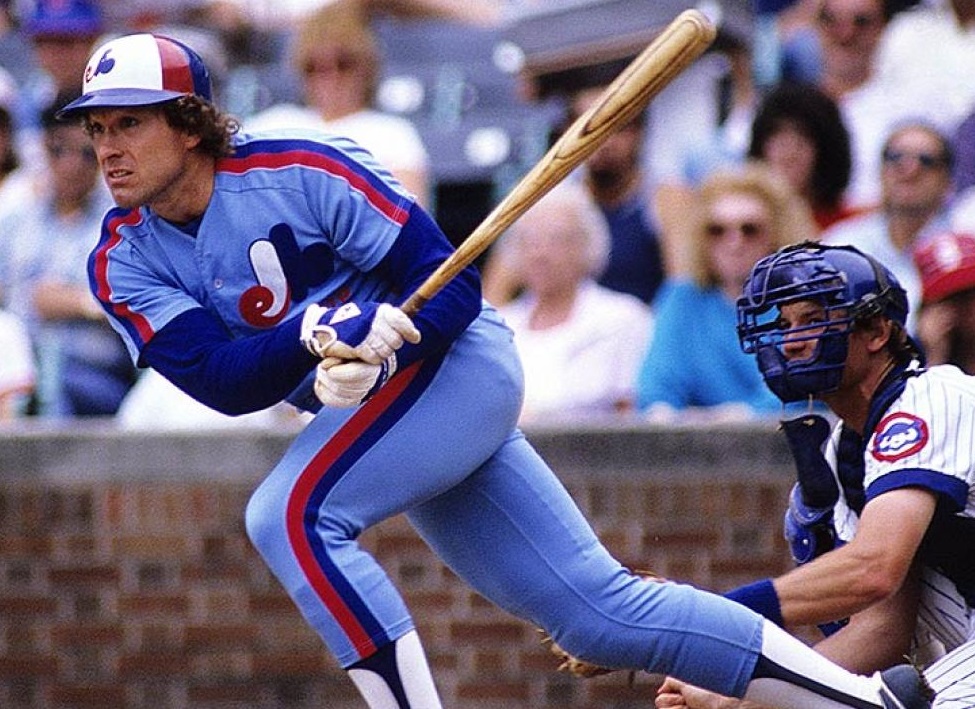
In conclusion, Gary Carter’s MLB career is a testament to his extraordinary talent, dedication, and love for the game. From his early days as a promising young catcher with the Montreal Expos to his leadership and championship success with the New York Mets, Carter’s journey through baseball was defined by excellence and passion. His statistical achievements, including 324 home runs and 1,225 RBIs, rank among the best for catchers, while his impact on the game extends far beyond the numbers. Carter’s legacy as a player, leader, and ambassador for baseball ensures that his contributions to the sport will never be forgotten.



 The Baseball Scholar
Leave a comment