
Stan Coveleski, one of baseball’s most notable pitchers of the early 20th century, carved a lasting legacy with his precision, durability, and mastery of the spitball, which was a legal pitch during his era. Over a career that spanned 14 years, Coveleski became a stalwart in the pitching rotations of the Cleveland Indians, Washington Senators, and New York Yankees. Known for his calm demeanor, consistent performance, and incredible command on the mound, Coveleski’s career is remembered not only for his impressive statistics but also for his contributions to the game during one of baseball’s most formative periods. His success in both regular season play and the postseason cemented his status as one of the premier pitchers of his time.
Stanley Anthony Coveleski was born on July 13, 1889, in Shamokin, Pennsylvania, a coal-mining town in the northeastern part of the state. He was one of five children born to Polish immigrants, and like many families in that region, the Coveleskis faced a difficult life centered around the grueling work of coal mining. At the age of 12, young Stan followed in the footsteps of his father and brothers, working long hours in the mines. The physical demands of the work, coupled with its inherent dangers, instilled in him a sense of discipline and toughness that would later serve him well on the baseball field.

Despite the hardships of his upbringing, Coveleski found solace and joy in baseball, a popular pastime in mining communities. He began honing his pitching skills by throwing rocks at tin cans and later transitioned to organized baseball in local sandlots and semi-professional leagues. His natural talent for throwing a baseball quickly became apparent, and his reputation as a skilled pitcher began to grow. By the time he reached his late teens, Coveleski had attracted the attention of professional scouts.
Coveleski’s professional career began in 1909 when he signed with the Lancaster Red Roses, a minor league team in the Tri-State League. Over the next several years, he developed his skills in the minor leagues, refining his pitches and learning the nuances of the game. During this period, he mastered the spitball, a pitch that would become his signature weapon. The spitball, which involved applying saliva or another substance to the ball to alter its movement, was a highly effective pitch when executed properly, and Coveleski’s ability to use it with precision set him apart from other pitchers of his era.
In 1912, Coveleski’s talent earned him a brief stint in the major leagues with the Philadelphia Athletics. However, he struggled in his limited appearances and was soon sent back to the minors. Undeterred, Coveleski continued to work on his craft, and his persistence paid off when he was acquired by the Cleveland Indians in 1916. It was with the Indians that Coveleski would establish himself as one of the game’s premier pitchers.
Coveleski’s first full season with the Indians in 1916 was a promising one. He posted a 15-13 record with a 2.82 earned run average (ERA) over 254 innings pitched. His performance laid the foundation for what would become an illustrious career. By 1918, he had emerged as the ace of the Indians’ pitching staff, showcasing his ability to dominate opposing hitters with his pinpoint control and deceptive pitches. That season, he recorded a 22-13 record with a 1.82 ERA, further solidifying his status as one of the best pitchers in baseball.

The pinnacle of Coveleski’s career came in 1920, a year that holds a special place in baseball history. The Cleveland Indians, led by manager Tris Speaker, won their first-ever American League pennant and advanced to the World Series. Coveleski played a crucial role in the team’s success, delivering one of the most memorable performances in postseason history. During the World Series against the Brooklyn Robins (later the Dodgers), Coveleski started and won three games, including the decisive Game 7. He allowed just two earned runs over 27 innings, finishing the series with an ERA of 0.67. His dominance on the mound earned him widespread acclaim and was instrumental in securing Cleveland’s first championship.
The 1920 World Series was also notable for being the first to feature a best-of-nine format, though it reverted to the best-of-seven format in subsequent years. Coveleski’s ability to excel under pressure and deliver in high-stakes situations showcased his composure and resilience. His performance in the series remains one of the greatest achievements in World Series history, and it cemented his reputation as one of the game’s premier pitchers.
Throughout the 1920s, Coveleski continued to excel, consistently ranking among the league leaders in wins, ERA, and complete games. He was known for his durability, regularly pitching over 250 innings in a season, and his ability to adapt to different situations on the mound. Coveleski’s mastery of the spitball, combined with his ability to change speeds and locate his pitches with precision, made him a nightmare for opposing hitters. Even as the spitball was gradually phased out of the game following a rule change in 1920, Coveleski was allowed to continue using it as one of the “grandfathered” pitchers permitted to throw the pitch for the remainder of their careers.
In 1925, Coveleski was traded to the Washington Senators, where he continued to perform at a high level. That year, he recorded a 20-5 record with a 2.84 ERA, helping the Senators win the American League pennant. Although the Senators ultimately lost to the Pittsburgh Pirates in the World Series, Coveleski’s contributions were instrumental in the team’s success. His ability to remain effective well into his mid-30s was a testament to his skill, work ethic, and understanding of the game.

Coveleski’s final years in the majors were spent with the New York Yankees in 1928. While his performance declined as he entered the twilight of his career, his impact on the game and his reputation as one of the era’s premier pitchers remained intact. Coveleski retired with a career record of 215-142, a 2.89 ERA, and 224 complete games over 3,082 innings pitched. His career WAR (Wins Above Replacement) of 65.2 underscores his value as one of the most consistent and effective pitchers of his time.
Beyond his statistical achievements, Coveleski’s impact on the game of baseball can be seen in his role as a bridge between the dead-ball and live-ball eras. He was a master of the strategic, low-scoring style of play that characterized the early 20th century, but he also adapted to the changes brought about by the introduction of the live ball. His ability to succeed in both contexts speaks to his versatility and skill as a pitcher.
Coveleski’s career is also notable for his sportsmanship and professionalism. He was widely respected by his peers and opponents for his calm demeanor, work ethic, and dedication to the game. Unlike some of his contemporaries, who were known for their fiery temperaments or off-field antics, Coveleski let his performance on the field do the talking. His quiet leadership and consistency made him a role model for younger players and a respected figure in the baseball community.
In 1969, Coveleski was inducted into the Baseball Hall of Fame, a fitting recognition of his contributions to the game. His induction was a testament to his enduring legacy as one of the premier pitchers of his era and a key figure in the history of the Cleveland Indians. Coveleski’s achievements continue to be celebrated by baseball historians and fans, who recognize his role in shaping the game’s early years.
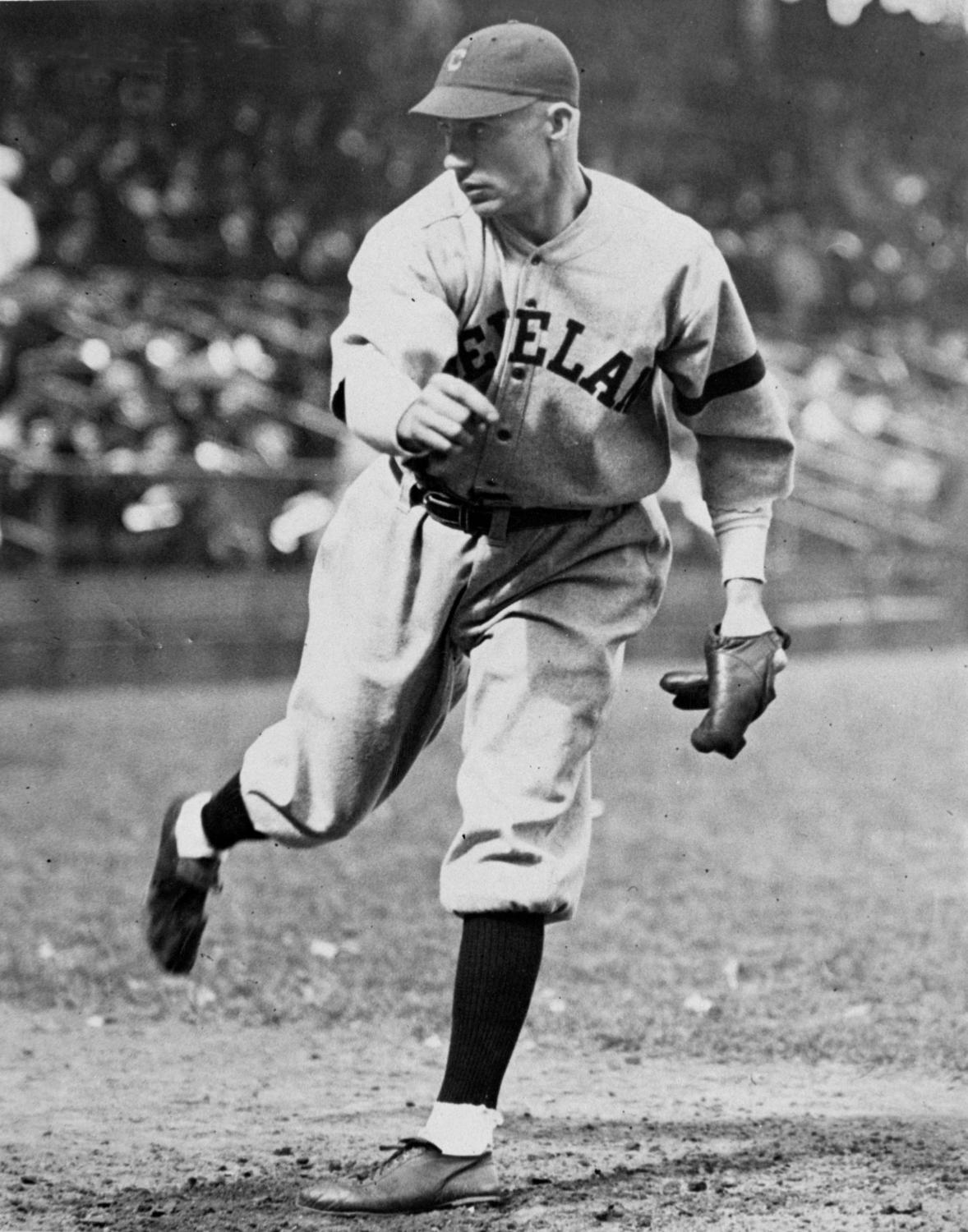
Stan Coveleski’s journey from the coal mines of Pennsylvania to the heights of Major League Baseball is a story of perseverance, talent, and dedication. His mastery of the spitball, combined with his ability to adapt and excel in different eras of the game, makes him a unique and enduring figure in baseball history. Coveleski’s legacy is not only defined by his impressive statistics and achievements but also by the impact he had on the game and the respect he earned from his peers. As one of the most accomplished pitchers of the early 20th century, Stan Coveleski’s place in baseball history is secure, and his story continues to inspire generations of players and fans.


 The Baseball Scholar
Leave a comment