
Robinson Canó’s Major League Baseball (MLB) career is a testament to exceptional talent, smooth defensive skill, and remarkable offensive consistency. As one of the most gifted second basemen of his era, Canó’s career was filled with high points, accolades, and memorable moments. However, his story is also one of controversy and complexity, as the highs of his playing years were marred by setbacks that cast a shadow over his legacy. Exploring his journey from a baseball-loving youth in the Dominican Republic to becoming one of the most accomplished second basemen in MLB history provides insight into the impact Canó made on the game, both on and off the field.
Robinson José Canó Mercedes was born on October 22, 1982, in San Pedro de Macorís, Dominican Republic, a region famous for producing elite baseball talent. Baseball was ingrained in Canó’s life from an early age, largely due to the influence of his father, José Canó, who was a former professional pitcher. José played briefly in MLB for the Houston Astros in 1989, giving young Robinson a firsthand view of the professional baseball world. Canó grew up immersed in the sport, developing his skills on the sandlots of San Pedro de Macorís and dreaming of following in his father’s footsteps.
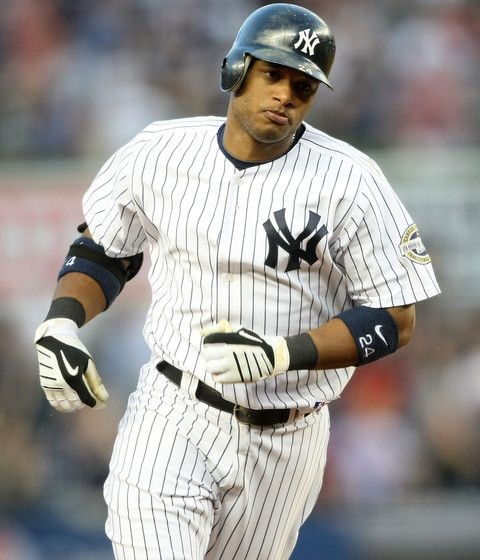
Canó’s natural talent and dedication to the game quickly became apparent. As a teenager, he displayed exceptional hand-eye coordination, smooth fielding mechanics, and a powerful yet controlled swing. He was also known for his calm demeanor, which would become a defining characteristic of his playing style. In 2001, Canó signed as an amateur free agent with the New York Yankees, beginning his journey to the major leagues.
Canó’s path to MLB involved steady progress through the Yankees’ minor league system. Initially viewed as a solid but unspectacular prospect, he developed into one of the organization’s top young talents by refining his approach at the plate and in the field. By 2004, Canó was knocking on the door of the majors, showcasing a .283 batting average with 12 home runs and 74 RBIs across Double-A and Triple-A levels.
In May 2005, Canó made his MLB debut with the Yankees, replacing Tony Womack as the team’s starting second baseman. Almost immediately, he demonstrated the smooth, effortless playing style that would define his career. Canó hit .297 with 14 home runs and 62 RBIs during his rookie campaign, finishing second in the American League (AL) Rookie of the Year voting. His quick adaptation to the major league level was a precursor to the success he would achieve in the years to come.
Over the next several seasons, Robinson Canó emerged as one of the premier second basemen in baseball. His ability to combine offensive production with defensive excellence set him apart from his peers. From 2006 to 2013, Canó became a cornerstone of the Yankees’ lineup, consistently hitting for average and power while playing steady defense at second base. His smooth swing and ability to hit to all fields made him a perennial All-Star and one of the most feared hitters in the game.
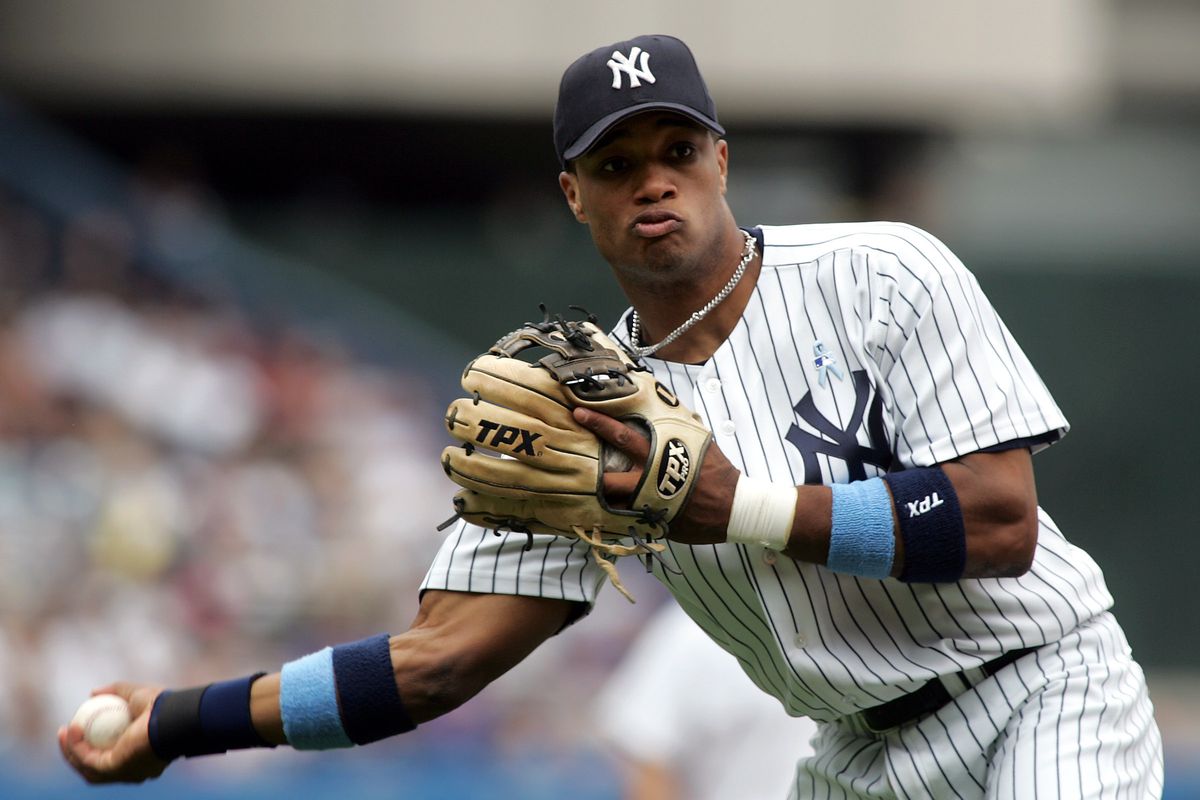
One of Canó’s breakout years came in 2006, when he batted .342 with 15 home runs, 78 RBIs, and a league-leading 41 doubles. He finished third in the AL batting title race, further cementing his reputation as a hitter who could combine power with precision. Over the next few seasons, Canó continued to elevate his game, earning his first All-Star selection in 2006 and consistently ranking among the league leaders in key offensive categories.
The 2009 season was a particularly special one for Canó, as he played a pivotal role in helping the Yankees win their 27th World Series championship. That year, he batted .320 with 25 home runs, 85 RBIs, and 48 doubles during the regular season. In the postseason, Canó’s contributions were invaluable as the Yankees defeated the Philadelphia Phillies in six games to secure the title. Winning a championship not only solidified Canó’s place in Yankees history but also underscored his ability to perform on the sport’s biggest stage.
Canó’s offensive numbers during his time with the Yankees were nothing short of extraordinary. From 2009 to 2013, he averaged 25 home runs, 100 RBIs, and a .314 batting average per season. He also earned five Silver Slugger Awards during this span, recognizing him as the best offensive second baseman in the American League. His consistency at the plate and durability—Canó rarely missed games—were hallmarks of his success.
One of Canó’s defining traits as a hitter was his ability to hit to all fields with authority. He was equally adept at driving the ball over the wall as he was at lining singles to the opposite field. His plate discipline improved steadily throughout his career, making him one of the toughest outs in baseball. Canó’s power, particularly for a second baseman, was also a rarity; he became one of only a handful of players at the position to regularly hit 20 or more home runs in a season.
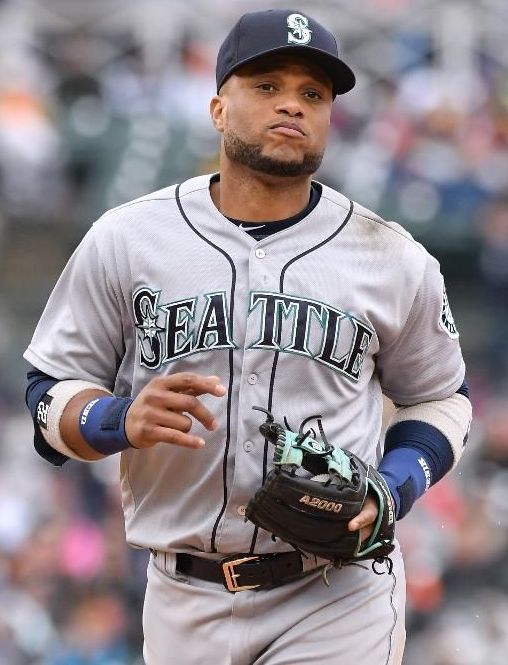
Defensively, Canó’s play at second base was characterized by his smoothness and exceptional arm strength. He made difficult plays look routine, often turning double plays with an ease that belied their difficulty. His combination of range, footwork, and arm accuracy earned him two Gold Glove Awards (2010, 2012), further solidifying his status as one of the game’s elite players.
In December 2013, Canó made headlines when he signed a 10-year, $240 million contract with the Seattle Mariners, one of the largest deals in MLB history at the time. The move marked a new chapter in Canó’s career, as he transitioned from the Yankees’ storied history to the challenge of leading a Mariners team seeking its first postseason appearance since 2001.
Canó wasted no time making an impact in Seattle. In his first season with the Mariners in 2014, he batted .314 with 14 home runs, 82 RBIs, and an .836 OPS, earning yet another All-Star selection. While his home run totals dipped slightly in the spacious confines of Safeco Field, Canó remained one of the most productive hitters in the league. His presence in the lineup helped rejuvenate the Mariners, and although the team narrowly missed the playoffs in 2014, Canó’s leadership and performance were key reasons for their improvement.
The 2016 season was one of Canó’s best in a Mariners uniform. He hit .298 with a career-high 39 home runs, 103 RBIs, and 107 runs scored, showcasing the power and consistency that had defined his career. His performance earned him his seventh All-Star selection and placed him among the league’s top offensive players.
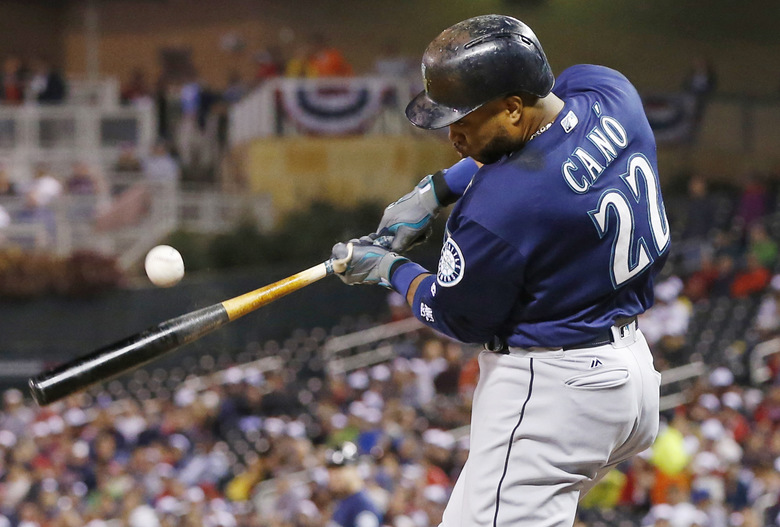
While Canó’s career was marked by remarkable achievements, it was also overshadowed by controversies that complicated his legacy. In 2018, Canó was suspended for 80 games after testing positive for a banned substance, a violation of MLB’s performance-enhancing drug (PED) policy. The suspension was a significant blow to Canó’s reputation, as it raised questions about the legitimacy of his accomplishments.
Despite the setback, Canó returned to the field and continued to produce at a high level. He joined the New York Mets in 2019 and showed flashes of his former self, particularly during the shortened 2020 season, when he batted .316 with 10 home runs in 49 games. However, another PED suspension in 2021, this time for the entire season, further tarnished his legacy and cast doubt on his place in baseball history.
Robinson Canó’s MLB career is one of extraordinary talent and complex legacy. On the field, he was one of the most complete second basemen of his era, combining offensive firepower with defensive excellence. His smooth, effortless style of play and ability to rise to the occasion in critical moments made him a fan favorite and a respected figure among his peers.
Statistically, Canó’s numbers speak to his greatness. Over 17 seasons, he amassed 2,639 hits, 335 home runs, 1,306 RBIs, and a .301 career batting average. He earned eight All-Star selections, five Silver Slugger Awards, and two Gold Gloves, placing him among the most decorated second basemen in MLB history.
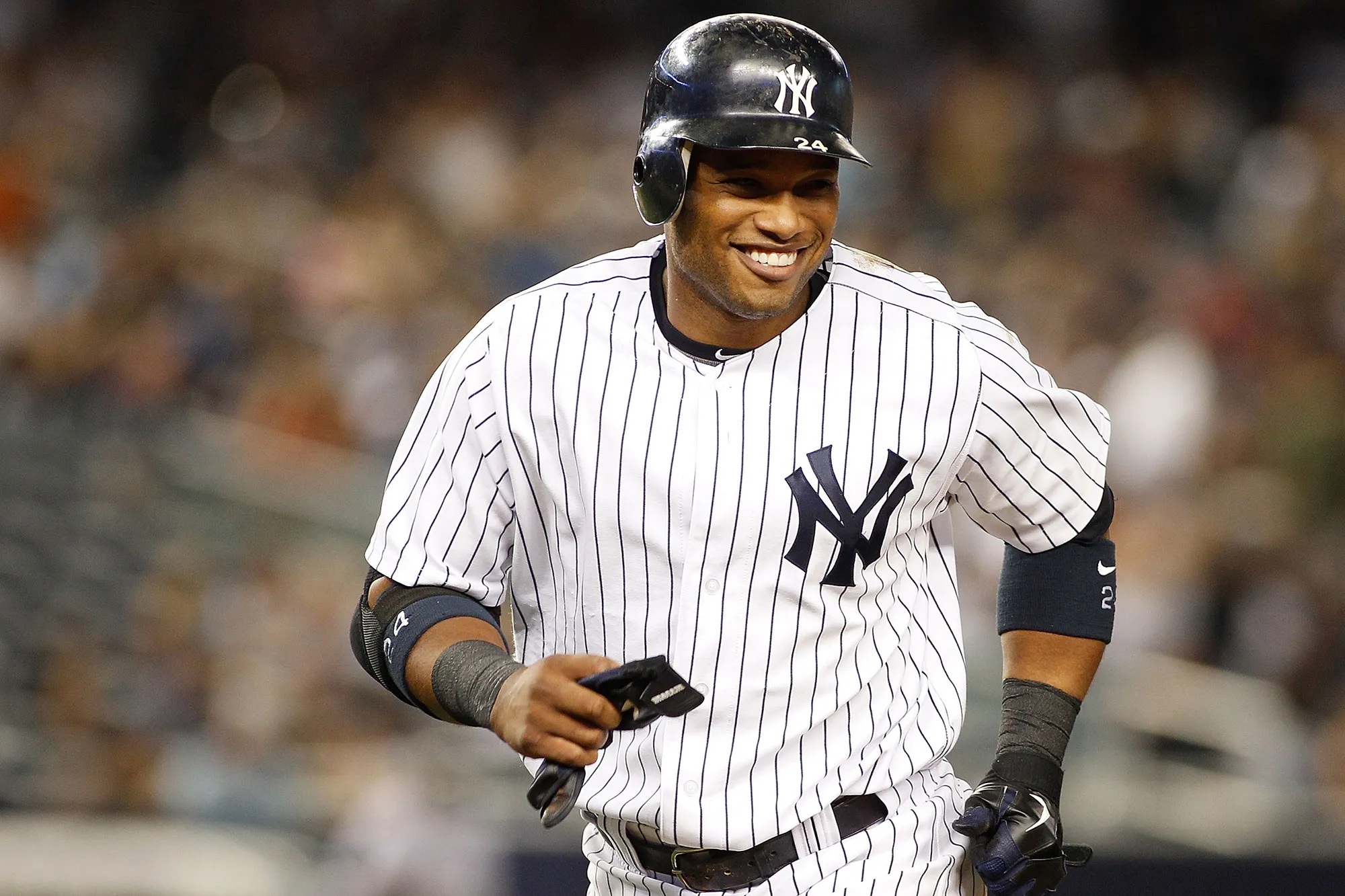
However, Canó’s legacy is undeniably complicated by his PED violations, which have led to questions about the authenticity of his achievements. While his natural talent was evident from the beginning of his career, the controversies surrounding his suspensions have clouded his standing among the game’s all-time greats.
Beyond the statistics and controversies, Canó’s impact on baseball extends to his influence on young players, particularly in the Dominican Republic. As one of the most prominent Dominican players of his generation, Canó served as an inspiration to aspiring athletes in his home country. His success demonstrated what was possible through hard work and dedication, and his involvement in charitable initiatives further underscored his commitment to giving back to the community.
Robinson Canó’s MLB career is a story of immense talent, remarkable achievements, and complex legacies. From his early days as a standout prospect in the Yankees’ system to his years of dominance as one of baseball’s premier second basemen, Canó left an indelible mark on the sport. His combination of offensive prowess, defensive skill, and charisma made him one of the most memorable players of his era. However, the controversies that arose late in his career serve as a reminder of the challenges that come with maintaining excellence in the face of temptation. Despite these complications, Canó’s contributions to the game and his role as a trailblazer for players from the Dominican Republic ensure that his impact on baseball will not be forgotten.



 The Baseball Scholar
Leave a comment