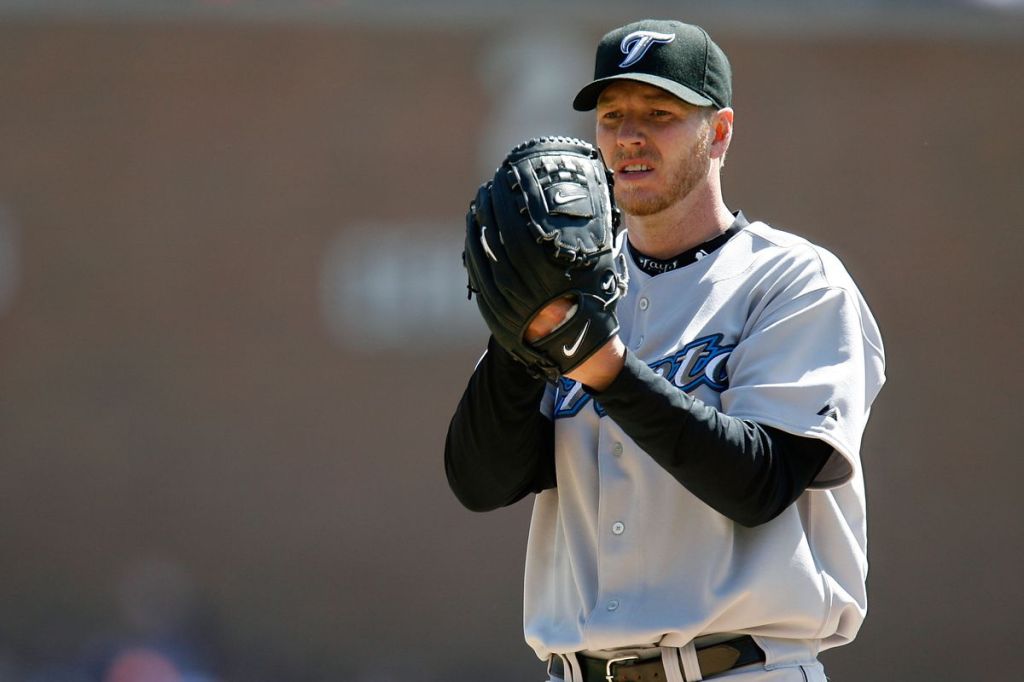
Roy Halladay was one of the most dominant pitchers of his era, known for his mastery of the game, his mental toughness, and his exceptional ability to maintain consistency at the highest level of baseball. His career spanned over 16 years in Major League Baseball, during which he became one of the most respected and accomplished pitchers in the history of the sport. Halladay’s career was marked by both personal perseverance and remarkable achievements, with statistical accomplishments that place him among the greatest pitchers of all time. From his early life to his rise to fame, Halladay’s journey to baseball stardom is a story of determination, hard work, and excellence.
Roy Halladay was born on May 5, 1977, in Denver, Colorado. Raised in a suburb of Denver, Halladay was introduced to baseball at an early age by his father, who was an amateur baseball player. His love for the game grew rapidly, and by the time he entered Arvada West High School, he had already established himself as a talented pitcher with a natural feel for the game. Halladay’s fastball was already above average for his age, and he showed excellent control of his pitches, which would become a hallmark of his future success.
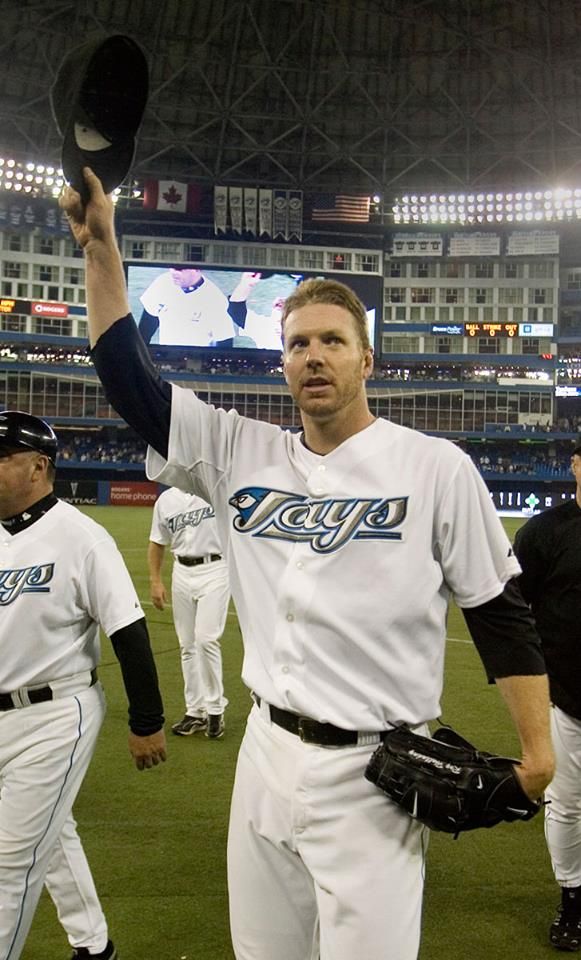
Despite his early promise, Halladay’s high school career was not without its struggles. During his junior year, Halladay’s performances were inconsistent, and his senior season was marked by an alarming dip in his performance. Scouts began to take notice of his raw talent, but Halladay’s struggles raised questions about his ability to perform at the professional level. His control was often erratic, and his velocity on the mound was not as consistently impressive as it would later become.
It was clear that Halladay had the potential to be an elite pitcher, but he needed to refine his skills and gain more consistency in his game. This period of struggle in high school would serve as an important learning experience for Halladay, as it helped shape the work ethic and mental toughness that would define his future career.
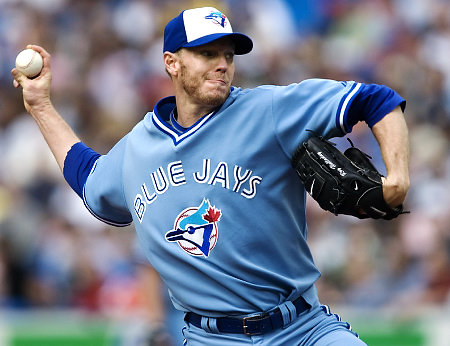
Halladay’s high school struggles did not deter Major League scouts, and he was selected by the Toronto Blue Jays with the 17th overall pick in the 1995 MLB Draft. Despite his potential, Halladay’s development in the minors was far from smooth. In his first few years as a professional, he struggled to find the command and consistency that had eluded him in high school.
Halladay began his minor league career with the Class-A Dunedin Blue Jays, and his early years in the system were marked by high walk rates and inconsistent results. In 1997, Halladay’s performance was disappointing, and he struggled with his control, leading to a season in which he posted a staggering 6.75 ERA. This marked a low point in his early development and raised doubts about whether he would ever reach the major leagues. However, Halladay’s dedication to his craft and his desire to improve would not allow him to succumb to failure.

In 1998, Halladay began to show signs of progress, posting a significantly improved 3.93 ERA across two levels in the minors. He began to work with pitching coaches and mentors, honing his mechanics and improving his command. His fastball velocity also began to increase, and he started to develop a better feel for his secondary pitches, most notably his curveball and changeup. It was during this period of refinement that Halladay began to turn the corner and show the potential that had once seemed like a distant dream.
In 1998, Halladay’s growth continued, and he was called up to the major leagues for the first time in September. Although his MLB debut was rocky, he made just a brief appearance, allowing seven runs in under five innings, his future looked brighter than ever. The Blue Jays continued to be patient with Halladay, recognizing his growth and potential, and they provided him with the opportunity to continue developing in the majors.
Halladay’s true breakthrough came in 2002 when he had a breakout season with the Blue Jays. After years of struggling, he put everything together, finishing with a 19-7 record and a 2.93 ERA. He was named to his first All-Star team that year and showed the baseball world that he had finally reached his potential as an ace. This marked the beginning of what would become a dominant career, with Halladay continuing to refine his mechanics and mental approach to pitching. Halladay’s ability to pound the strike zone with exceptional control, combined with his devastating off-speed pitches, made him one of the toughest pitchers in the game.
During the 2003 season, Halladay took his performance to even greater heights. He posted a league-leading 2.93 ERA and established himself as one of the most dominant pitchers in baseball. That season was a turning point in Halladay’s career, as it demonstrated his ability to handle the pressures of being the ace of the staff and pitching in the toughest situations. He had earned the respect of his peers and was regarded as one of the premier pitchers in the game.

It was in 2003 that Halladay made his most significant mark on the baseball world. In a pivotal game against the Detroit Tigers, Halladay threw a perfect game, an achievement that remains one of the greatest feats of his career. The game solidified his reputation as one of the best pitchers of his era and served as a reminder of the raw talent and work ethic that had propelled him to the top of the game.
After establishing himself as a top-tier pitcher, Halladay’s consistency continued to shine throughout the next decade. His remarkable ability to command the strike zone, combined with a dominant repertoire of pitches, made him one of the most feared pitchers in the game. In 2003, he won the Cy Young Award, cementing his status as one of the premier pitchers in baseball.
Halladay’s dominance was marked by his ability to throw deep into games and consistently keep his team in a position to win. His durability and workhorse mentality were also evident throughout his career, as he often led the league in innings pitched and games started. He became known for his commitment to preparing for each start and for his ability to shut down opposing lineups with precision and poise.
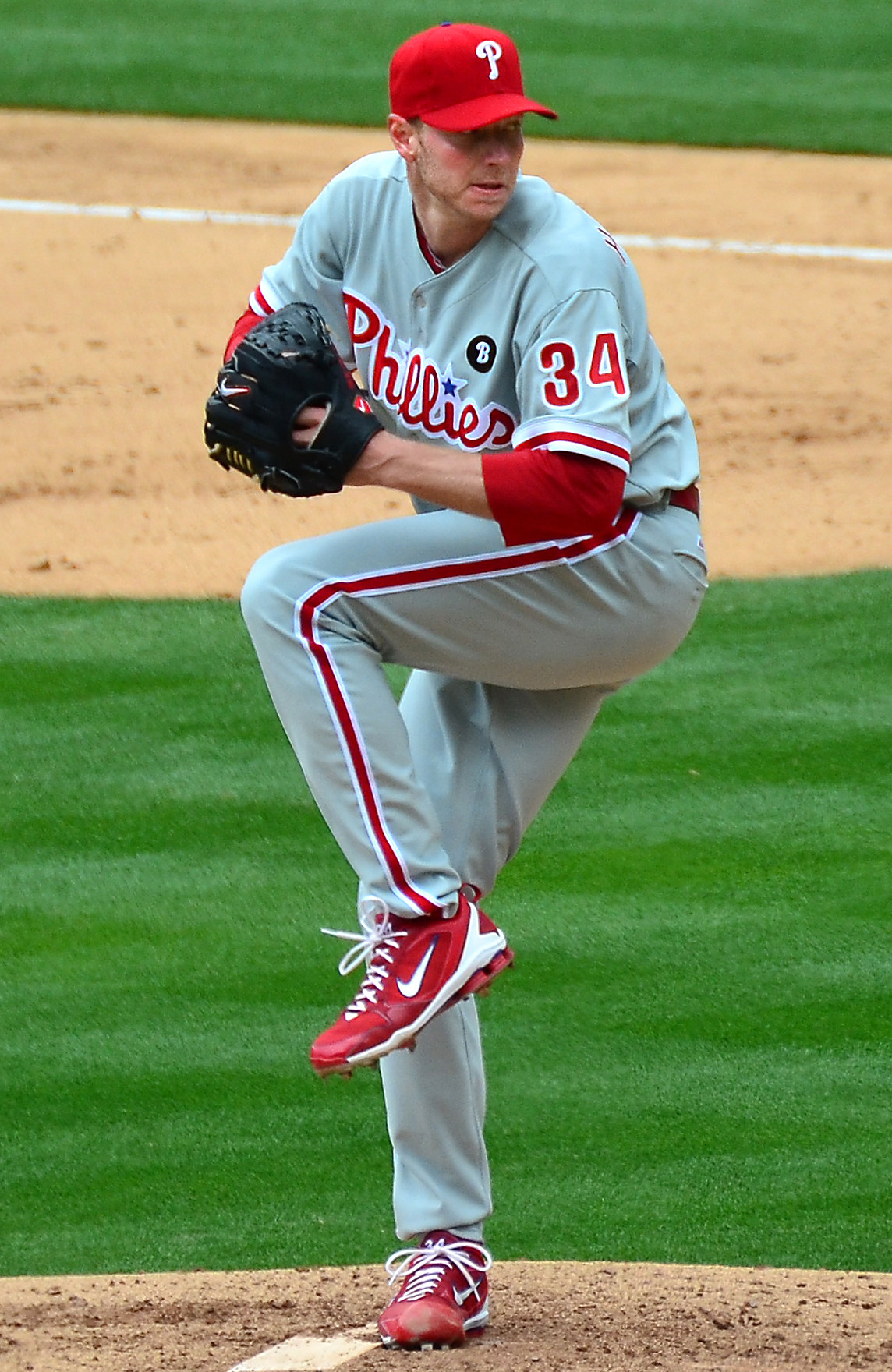
In the years that followed, Halladay continued to assert himself as one of the game’s best pitchers. He won another Cy Young Award in 2010, his first season with the Philadelphia Phillies, after being traded from Toronto to Philadelphia. His time with the Phillies marked the height of his career, as he became part of one of the most dominant pitching rotations in history, joining fellow aces Cliff Lee, Cole Hamels, and Roy Oswalt in a rotation that terrorized opposing hitters.
In 2010, Halladay also threw a no-hitter in the postseason, becoming the second pitcher in history to throw a postseason no-hitter, a testament to his dominance on the mound in high-pressure situations. His no-hitter against the Cincinnati Reds in Game 1 of the NLDS was one of the defining moments of his career and further cemented his legacy as one of the greatest pitchers in MLB history. He followed this with another incredible performance in the 2010 season, posting a 2.44 ERA and leading the Phillies to a division title.
As Halladay continued to age, his body began to show signs of wear and tear, and injuries began to plague him. His time with the Phillies, which was marked by tremendous success, was also marred by a series of injuries that limited his effectiveness on the mound. By 2013, Halladay’s once-immaculate mechanics had begun to deteriorate, and he struggled to maintain the dominance he had once showcased. Despite his challenges, he continued to fight, but it became clear that his career was nearing its end.
Halladay retired after the 2013 season, having accumulated 203 wins, a 3.38 career ERA, and 2,117 strikeouts. He had been named to eight All-Star teams, won two Cy Young Awards, and thrown two no-hitters, including a postseason no-hitter, all of which solidified his place in the annals of baseball history. Halladay’s legacy as a workhorse, a competitor, and one of the most dominant pitchers of his generation endures, even as his time in the spotlight faded in his later years.
Roy Halladay’s impact on the game of baseball transcended his individual achievements and statistics. His relentless work ethic, ability to pitch deep into games, and mental toughness set a standard for future generations of pitchers. Halladay’s commitment to preparing for each start and his pursuit of perfection on the mound inspired countless players. His career was a testament to what can be achieved through dedication, perseverance, and a refusal to accept anything less than excellence.

Halladay’s legacy is also defined by the respect he earned from his peers. Throughout his career, he was revered not only for his talent but also for his sportsmanship and professionalism. He was the ultimate competitor, always striving to get better and never satisfied with simply being good enough. His attention to detail in every aspect of his game, from his physical conditioning to his mental preparation, became a model for future generations of pitchers.
Halladay’s success also helped raise the profile of the pitchers’ craft in a time when hitters often dominated the headlines. His ability to maintain success for so long in a demanding role, while facing some of the most potent offenses in baseball history, elevated the importance of pitching in the overall dynamics of the game.
Roy Halladay’s career is a testament to the power of hard work, perseverance, and a commitment to excellence. From his early struggles in high school to his eventual place as one of the greatest pitchers of his generation, Halladay’s journey is an inspiration to all who strive for greatness in the face of adversity. His remarkable achievements, including two Cy Young Awards, eight All-Star appearances, and a postseason no-hitter, serve as lasting reminders of his incredible talent and dedication.
Halladay’s impact on the game is undeniable. He was a pitcher who combined power, precision, and mental toughness in a way that few could match. His legacy as a dominant force on the mound will continue to inspire future generations of baseball players and fans, ensuring that his contributions to the game will never be forgotten. As one of the most respected and accomplished pitchers in baseball history, Roy Halladay’s place among the greats is forever secure.



 The Baseball Scholar
Leave a comment