
Willie McCovey, known as one of Major League Baseball’s most prolific and feared power hitters, left an indelible mark on the sport with his skill, consistency, and ability to dominate the game over his remarkable 22-year career. Known for his towering home runs and incredible presence at the plate, McCovey’s contributions to the San Francisco Giants and baseball at large are revered to this day.
Willie Lee McCovey was born on January 10, 1938, in Mobile, Alabama. Raised in a working-class African American family, McCovey’s early exposure to baseball came through the influence of his father, who encouraged him to play the sport. Growing up in Mobile, McCovey began playing baseball at a young age, showing an early aptitude for the game. His natural talent, particularly for hitting, became evident as he progressed through the ranks of local baseball leagues.
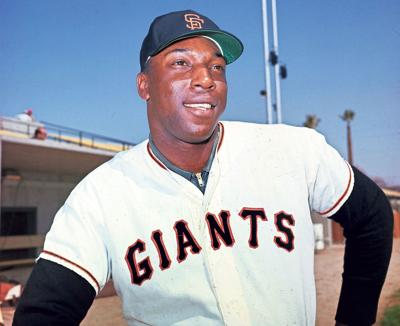
McCovey’s athleticism extended beyond baseball; he was also a skilled football player during his high school years, but it was baseball that ultimately captured his full attention. He attended Central High School in Mobile, where he developed into one of the best players in the area. McCovey’s performances on the field caught the attention of major league scouts, but his journey to professional baseball was not without challenges. He was initially passed over in the amateur draft, but he kept working on his craft, hoping to earn another opportunity. His persistence paid off in 1955 when he was signed by the San Francisco Giants, marking the beginning of his storied career.
McCovey spent his early years in professional baseball developing his skills in the minor leagues. In his first year in the minors with the Giants’ affiliate, the Fargo-Moorhead Twins, McCovey displayed his immense potential as a power hitter. His performance at the plate was nothing short of spectacular, as he racked up home runs, RBIs, and batting averages that indicated he was ready for the big leagues.
By 1959, just four years after being signed by the Giants, McCovey was called up to the majors, joining the team in the middle of the 1959 season. He made an immediate impact. In his first major league at-bat, he blasted a home run, signaling his potential to become one of the premier power hitters in the game. By the end of the season, McCovey had made a lasting impression, hitting 13 home runs in just 52 games. His raw power was undeniable, and by 1960, he had solidified his place as one of the most promising young players in the game.
McCovey’s rookie season in 1960 was an incredible showcase of his abilities. As a 22-year-old, he played in 52 games, but in that short period, he hit 13 home runs, cementing his status as a potential future star. However, it was in 1961 that McCovey truly began to shine as one of the premier hitters in the game. That season, he played in 153 games and slugged 13 home runs, drove in 80 RBIs, and earned a spot in the National League All-Star team, despite the fact that the Giants struggled as a team overall.
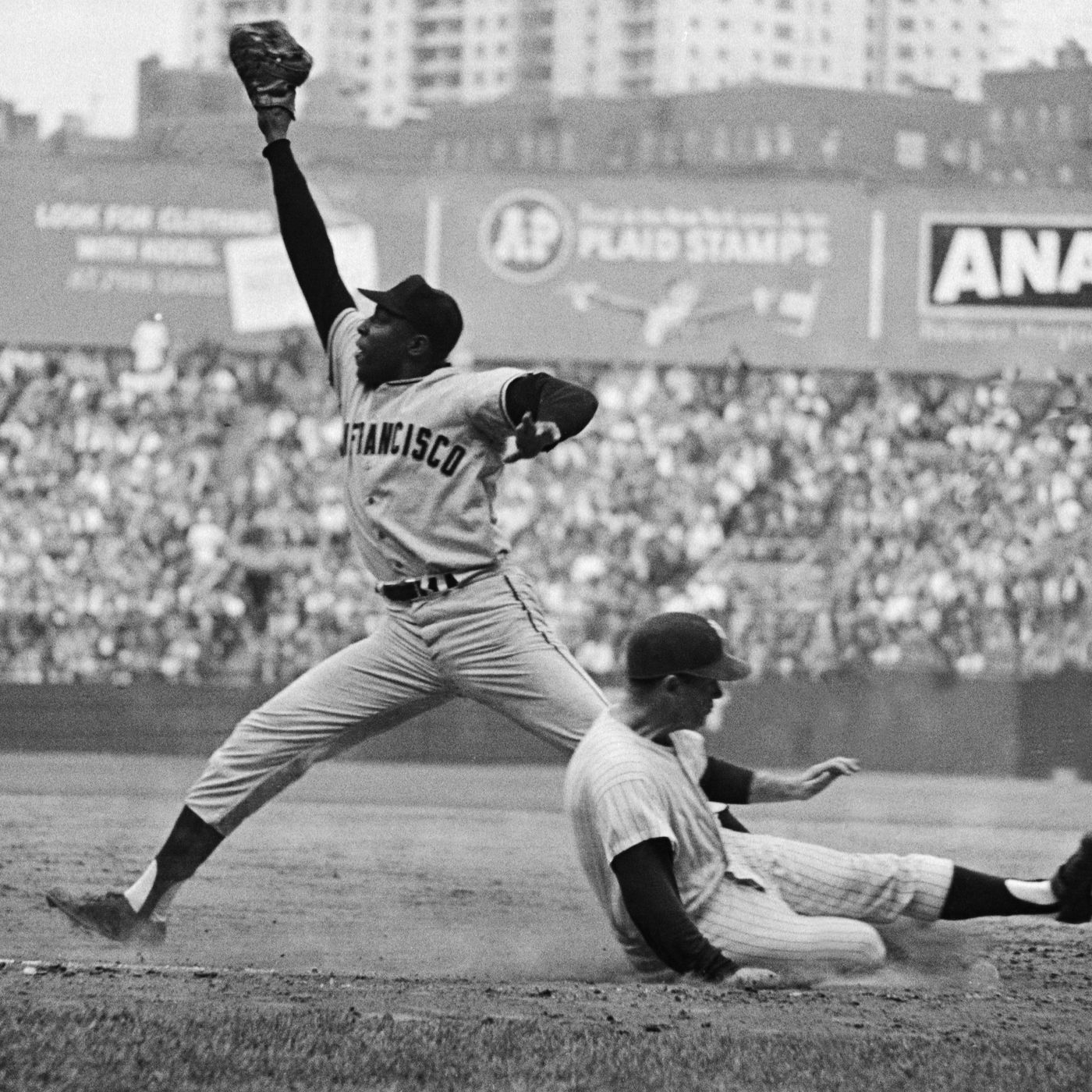
What made McCovey so exceptional was his ability to maintain his consistency year after year. Over the next few seasons, he became one of the most feared hitters in the National League. His natural ability to make solid contact with the ball, combined with his incredible raw power, set him apart from many of his peers. He quickly earned the nickname “Stretch” due to his imposing 6-foot-4 frame and long, smooth swing.
In 1963, McCovey hit a career-high 44 home runs, leading the National League and finishing third in the MVP voting. His performance helped the Giants challenge for the pennant, and he established himself as one of the league’s best power hitters. Over the next few seasons, McCovey continued to dominate offensively. He regularly hit for power, finishing with an impressive number of home runs and RBIs, while also maintaining a solid batting average for a slugger.
1965 marked another high point for McCovey as he was named the National League Most Valuable Player. During that season, he posted an OPS of .977 with 39 home runs, 105 RBIs, and a .320 batting average. His leadership in the heart of the Giants’ lineup helped propel them to the top of the National League standings, although they ultimately fell short of winning the pennant.
Despite the Giants’ team struggles in the late 1960s and early 1970s, McCovey continued to excel. His natural power and ability to hit in all kinds of situations made him an offensive force in any lineup. His consistency was a hallmark of his career, as he regularly hit 30 or more home runs in many seasons, leading to several All-Star selections and continuous recognition as one of the top hitters in baseball.

McCovey’s career, while marked by extraordinary individual success, was also characterized by its share of injuries. Throughout his playing career, McCovey dealt with knee and back problems that slowed his speed and defense, but it did little to diminish his ability to contribute offensively. His health issues meant that he spent less time at first base later in his career, but his bat remained one of the most dangerous in the league.
In 1977, McCovey joined the San Diego Padres for a brief period, but it was with the Giants that he truly solidified his place in baseball history. Although he was no longer the same player he had been in his prime, McCovey continued to hit for power and provide leadership to the Giants’ lineup. He continued to slug home runs at a steady pace, even as he grew older, and his presence in the lineup remained a critical aspect of the team’s offense.
Willie McCovey’s career statistics are a testament to his remarkable consistency and talent. Over his 22-year career, he accumulated 521 home runs, 1,555 RBIs, and a .270 batting average. He played in 2,504 games and racked up 2,211 hits over the course of his career, adding to his reputation as one of the most productive offensive players in MLB history.
McCovey’s 521 home runs placed him among the top home run hitters of his era. His career OPS of .889, as well as his .374 on-base percentage and .515 slugging percentage, were among the best in the league during his playing days. Despite his significant injuries over the years, McCovey remained a consistent power hitter, accumulating home runs at an impressive rate and frequently ranking near the top of the league in several key offensive categories.
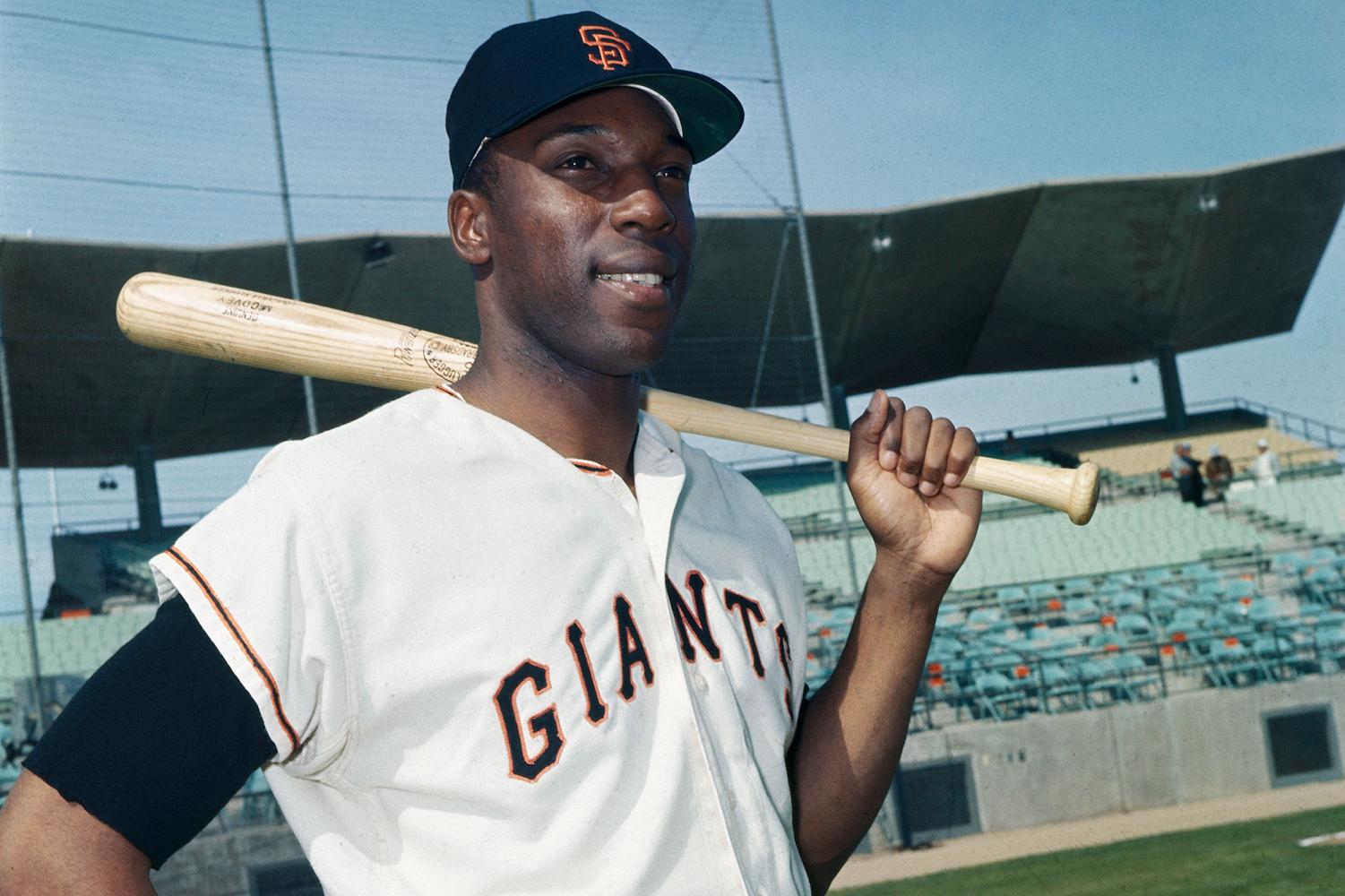
Throughout his career, McCovey’s accomplishments were not confined to regular season accolades. He was a six-time All-Star, earning selections in 1963, 1965, 1966, 1967, 1968, and 1969. His ability to produce in clutch situations led to numerous game-changing moments throughout his career, further adding to his stature as one of the most feared hitters of his time.
While McCovey’s individual accomplishments were remarkable, his postseason contributions are some of the most defining moments of his career. McCovey was a key figure in the 1962 World Series when the San Francisco Giants faced the New York Yankees. Though the Giants ultimately lost the series in seven games, McCovey’s play throughout the postseason demonstrated his ability to perform under pressure. In Game 7 of the 1962 World Series, McCovey hit one of the most memorable line drives in baseball history—unfortunately for McCovey and the Giants, it was caught by Yankees second baseman Bobby Richardson, ending the game and the series.
Despite falling short of winning a World Series title during his career, McCovey’s impact on the postseason was undeniable. His ability to remain a formidable offensive presence even in the high-pressure moments of the playoffs cemented his status as a postseason performer. His impact on the Giants’ lineup in the postseason helped make the team one of the most dangerous offensive units in baseball.
Willie McCovey retired from baseball in 1980, having established himself as one of the best players of his generation. In 1986, McCovey was inducted into the Baseball Hall of Fame on the first ballot, receiving 81.8% of the vote. His induction was a fitting tribute to a player who had left an undeniable impact on the game. McCovey’s legacy as a dominant hitter continues to inspire new generations of baseball players. He remained involved with the Giants after his retirement, and his number 44 jersey was retired by the team in 1986 as a tribute to his contributions.

McCovey’s legacy transcends the numbers on his baseball card. As one of the most feared hitters in the history of baseball, he redefined the role of the power hitter in a league where offense was king. His towering home runs, his resilience in the face of injury, and his ability to impact the game in all aspects of his career left an indelible mark on baseball history. Willie McCovey will forever be remembered as one of the greatest hitters to ever play the game.
Willie McCovey’s MLB career was a testament to the power of dedication, resilience, and natural talent. From his early years in Mobile to his rise to MLB superstardom with the San Francisco Giants, McCovey consistently demonstrated the qualities that make a player great—power, consistency, and the ability to perform when it mattered most. With over 500 home runs, numerous All-Star appearances, and a lasting legacy as one of the most feared power hitters of all time, McCovey’s contributions to baseball are unquestionable. His impact on the game, particularly in terms of his offensive prowess and leadership, has left an enduring legacy that continues to inspire players and fans alike.



 The Baseball Scholar
Leave a comment