
Ferguson “Fergie” Jenkins, a towering figure in Major League Baseball history, is celebrated as one of the most dominant pitchers of his era. Over a career that spanned nearly two decades, Jenkins demonstrated exceptional skill, consistency, and resilience, establishing himself as a cornerstone of the teams he represented and a symbol of excellence on the mound. Known for his precision, endurance, and ability to dominate opposing batters, Jenkins carved out a legacy that endures in the annals of baseball history. To fully appreciate his impact on the game, it is important to examine his early life, development, career highlights, statistical achievements, and the broader implications of his contributions to baseball.
Ferguson Arthur Jenkins was born on December 13, 1942, in Chatham, Ontario, Canada. Raised in a sports-oriented family, Jenkins inherited athleticism and a competitive spirit from his parents. His father was a semi-professional baseball player and boxer, while his mother excelled in track and field. Growing up in a predominantly agricultural community, Jenkins developed a strong work ethic, which would later define his approach to baseball.
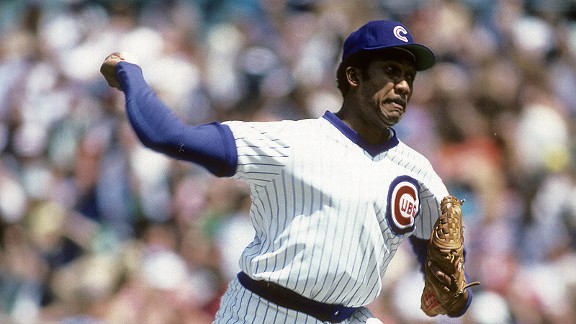
As a young athlete, Jenkins displayed remarkable versatility, excelling in baseball, hockey, and basketball. His early exposure to sports helped him cultivate a keen sense of discipline and coordination, qualities that became hallmarks of his pitching style. While Jenkins initially pursued hockey and basketball, it was baseball that ultimately captured his heart. His powerful arm and athletic build made him a natural pitcher, and he began to develop a reputation as a promising prospect in local leagues.
Jenkins’ ascent to professional baseball began when he was discovered by scouts while playing in Canada. In 1962, he signed with the Philadelphia Phillies as an amateur free agent, embarking on a journey that would take him to the highest echelons of the sport. His development in the minor leagues was steady but not without challenges. Jenkins worked tirelessly to refine his mechanics, develop his repertoire of pitches, and adapt to the competitive environment of professional baseball. By the mid-1960s, his hard work paid off, and he made his major league debut with the Phillies in 1965.
While Jenkins’ time with the Phillies was brief, it laid the groundwork for the transformative period of his career with the Chicago Cubs. In 1966, Jenkins was traded to the Cubs, a move that would prove pivotal for both the player and the franchise. With the Cubs, Jenkins found the opportunity to establish himself as a frontline starting pitcher, and his performance quickly elevated him to stardom.
Jenkins’ breakout season came in 1967, his first full year as a starter. He recorded 20 wins, a 2.80 ERA, and 236 strikeouts over 302.1 innings pitched, earning him his first All-Star selection. His ability to combine durability with dominance was immediately apparent, as he became a workhorse for the Cubs’ rotation. Jenkins’ trademark control, highlighted by his ability to limit walks while maintaining a high strikeout rate, set him apart from his peers.
The late 1960s and early 1970s marked the peak of Jenkins’ career. From 1967 to 1972, he won 20 or more games in six consecutive seasons, an extraordinary feat that underscored his consistency and excellence. During this period, Jenkins regularly ranked among the league leaders in innings pitched, strikeouts, and complete games. His 1971 season stands out as one of the greatest pitching performances in baseball history. That year, Jenkins posted a 24-13 record with a 2.77 ERA, 263 strikeouts, and an astounding 325 innings pitched. He also threw 30 complete games, a testament to his remarkable endurance and competitiveness. Jenkins’ dominance earned him the National League Cy Young Award, making him the first Canadian-born player to receive the prestigious honor.
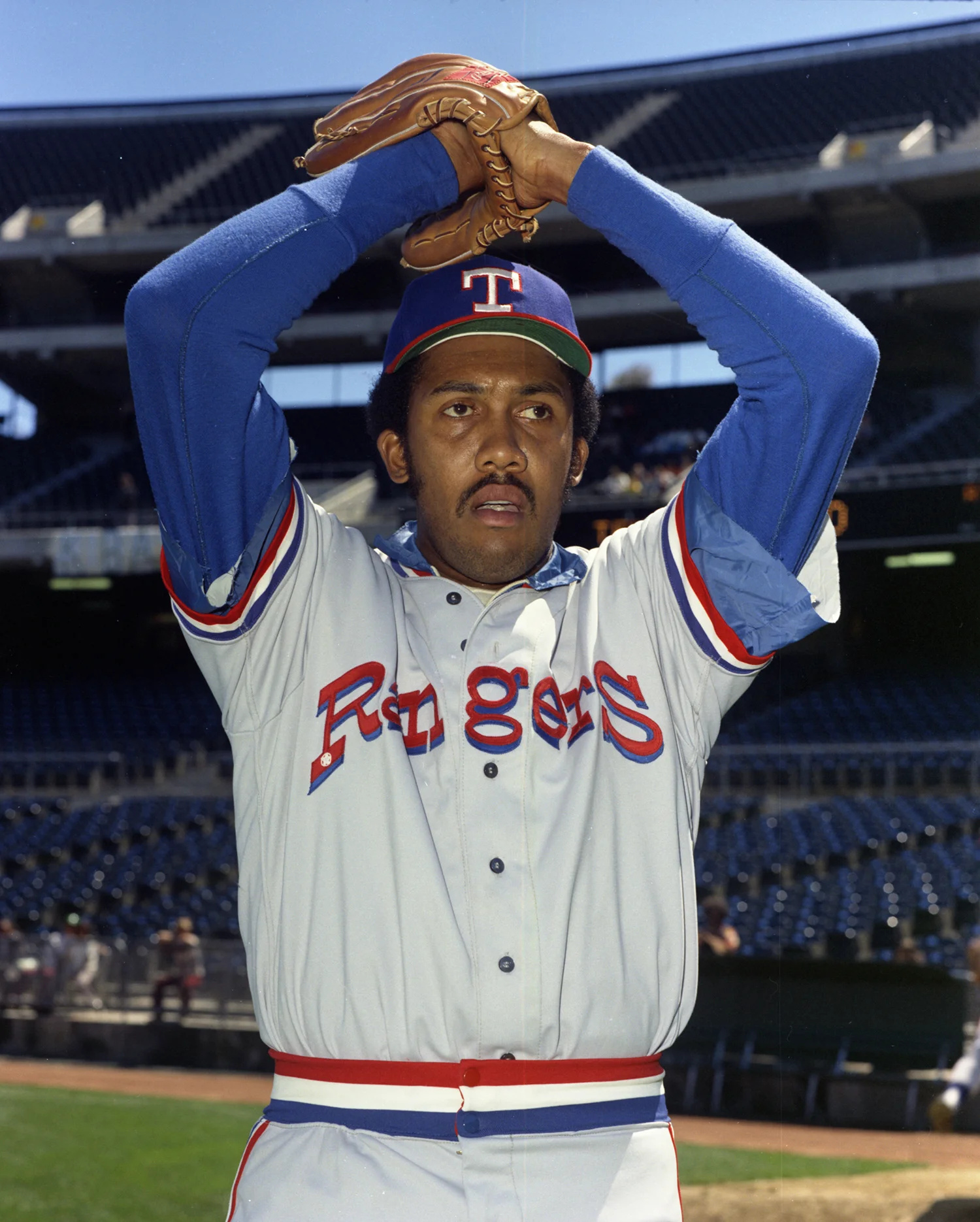
Over the course of his illustrious career, Fergie Jenkins compiled statistics that firmly place him among the all-time greats. He finished with 284 wins, 3,192 strikeouts, and a 3.34 ERA over 4,500.2 innings pitched. His 49 career shutouts and 267 complete games reflect his ability to control games and pitch deep into outings, qualities that are increasingly rare in modern baseball.
Jenkins’ control on the mound was a defining characteristic of his success. He issued just 997 walks in his career, resulting in an exceptional strikeout-to-walk ratio of 3.20. His precision allowed him to challenge hitters and minimize free passes, a strategy that contributed significantly to his longevity and effectiveness.
One of Jenkins’ most remarkable achievements is his place in the elite 3,000-strikeout club. At the time of his retirement, he was one of only a handful of pitchers to reach this milestone, and his accomplishment remains a testament to his sustained excellence over nearly two decades. Jenkins also achieved the rare distinction of recording at least 20 wins in seven different seasons, a feat that underscores his consistency and durability.
Jenkins’ impact extended beyond traditional statistics. His ability to perform under pressure and deliver in high-stakes situations earned him the respect of teammates, opponents, and fans alike. His presence on the mound inspired confidence, and his work ethic set a standard for professionalism and dedication.
Jenkins’ career was not without its challenges. Playing for teams that often struggled to contend, he faced the dual burden of carrying the pitching staff and enduring the disappointment of missed opportunities. Despite these obstacles, Jenkins remained a consummate professional, consistently delivering exceptional performances and embracing his role as a team leader.

Off the field, Jenkins faced personal and professional adversity with remarkable resilience. He navigated the pressures of being a trailblazing Canadian athlete in a predominantly American sport, as well as the scrutiny that comes with being a high-profile figure. His ability to overcome these challenges and maintain his focus on the game is a testament to his character and determination.
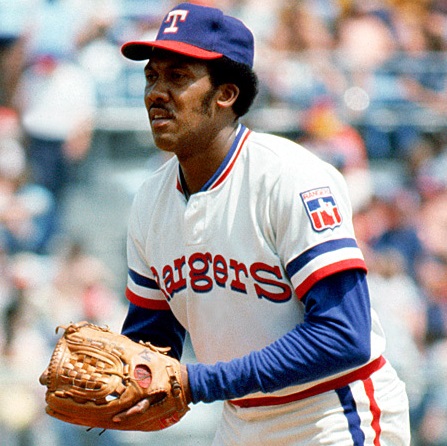
After his peak years with the Cubs, Jenkins continued to contribute to the game with stints on the Texas Rangers and Boston Red Sox. He enjoyed a resurgence with the Rangers, recording back-to-back 20-win seasons in 1974 and 1975. His time with the Rangers further solidified his reputation as one of the most durable and reliable pitchers in baseball history.
Jenkins returned to the Cubs in 1982 for his final major league season, retiring as one of the franchise’s all-time greats. His contributions to the Cubs earned him a lasting place in the hearts of Chicago fans, and his impact on the game was recognized with numerous accolades. In 1991, Jenkins was inducted into the Baseball Hall of Fame, becoming the first Canadian-born player to receive the honor. His induction was a celebration of his extraordinary career and a recognition of his enduring influence on the sport.
Fergie Jenkins’ impact on baseball extends far beyond his impressive statistics. As a pioneer for Canadian players, he paved the way for future generations of athletes from his home country to pursue careers in Major League Baseball. His success demonstrated that talent and determination could transcend geographic and cultural boundaries, inspiring countless young players to dream of reaching the big leagues.
Jenkins’ contributions to the game also include his role as a mentor and ambassador. Throughout his career, he was known for his willingness to share his knowledge and experience with younger players, helping to shape the next generation of talent. His post-retirement efforts to promote baseball and engage with fans further cemented his status as a beloved figure in the sport.
Jenkins’ legacy is also defined by his commitment to philanthropy and community service. He established the Fergie Jenkins Foundation, which supports charitable initiatives and promotes sportsmanship and education. Through his foundation and other endeavors, Jenkins has continued to make a positive impact on society, embodying the values of integrity and compassion that defined his career.
Conclusion
Fergie Jenkins’ career is a story of excellence, perseverance, and enduring impact. From his humble beginnings in Chatham, Ontario, to his ascent as one of the greatest pitchers in baseball history, Jenkins’ journey is a testament to the power of talent, hard work, and resilience. His remarkable achievements on the mound, including 284 wins, 3,192 strikeouts, and a Cy Young Award, are matched by his contributions to the sport and the broader community.
As a trailblazer for Canadian athletes, a role model for aspiring players, and a cherished figure in the baseball world, Jenkins has left an indelible mark on the game. His legacy continues to inspire and uplift, reminding us of the enduring power of baseball to unite, inspire, and transform lives. Fergie Jenkins will forever be celebrated as a true legend of the sport and a symbol of its timeless appeal.


 The Baseball Scholar
Leave a comment