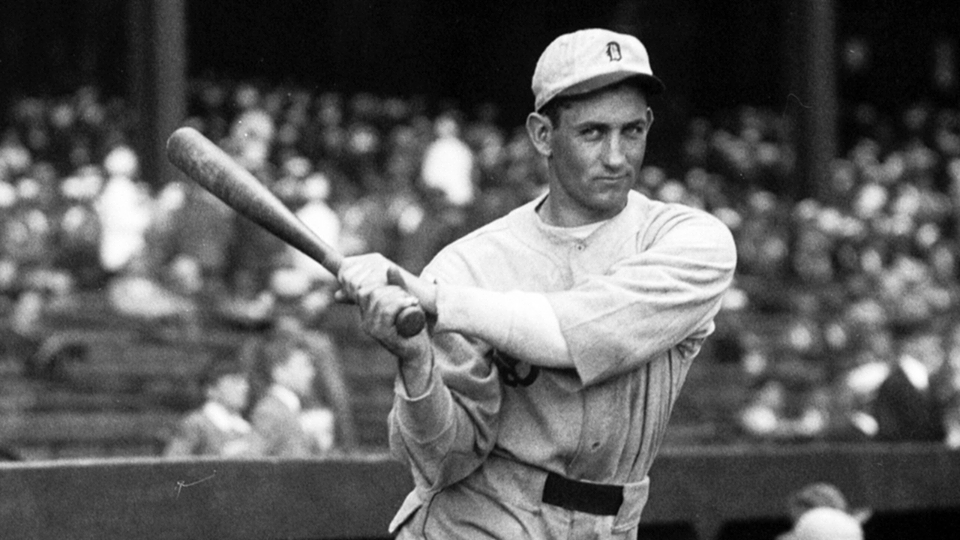
Charlie Gehringer, nicknamed “The Mechanical Man” for his consistent and seemingly effortless excellence, stands as one of baseball’s greatest second basemen. His 19-year career with the Detroit Tigers, spanning from 1924 to 1942, was defined by his remarkable consistency, quiet demeanor, and outstanding contributions to the game. Known for his smooth fielding, powerful bat, and ability to deliver in key moments, Gehringer became a cornerstone of the Tigers franchise and a model of dependability for players in any era. A Hall of Famer and one of the most respected figures in baseball history, Gehringer’s career offers a rich tapestry of accomplishments, anecdotes, and a profound impact on the sport.
Charles Leonard Gehringer was born on May 11, 1903, in Fowlerville, Michigan, a small farming community about 60 miles northwest of Detroit. Raised in a modest household, Gehringer’s upbringing was shaped by the values of hard work, humility, and perseverance, which later became hallmarks of his personality and playing style. From a young age, Gehringer displayed an aptitude for athletics, excelling in baseball and other sports during his school years.
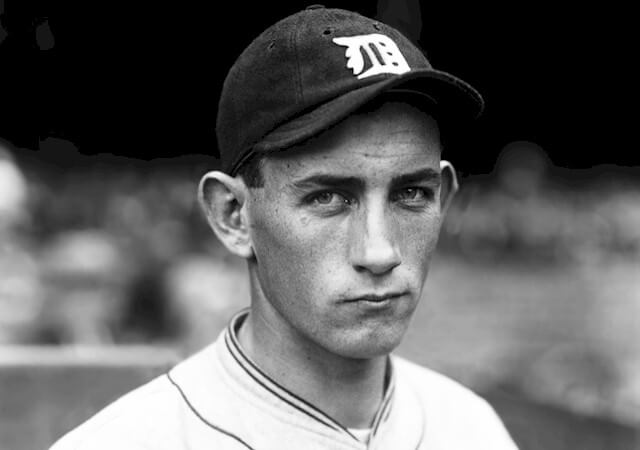
Gehringer’s journey to professional baseball was unconventional. Unlike many players of his era who were scouted while playing for prominent amateur or minor league teams, Gehringer’s talent was discovered while he was attending the University of Michigan. He played for the university’s baseball team, where his smooth fielding and strong bat caught the attention of Detroit Tigers scout and manager Ty Cobb. Cobb, already a legendary figure in the sport, was so impressed by Gehringer’s potential that he personally ensured the young infielder was signed to the Tigers in 1924.
Gehringer began his professional career in the minor leagues, but his stay there was brief. His natural ability and work ethic quickly propelled him to the major leagues, and by 1926, he had secured a spot as the Tigers’ starting second baseman. Despite a quiet and unassuming demeanor, Gehringer’s performance on the field spoke volumes about his immense talent and dedication.
Gehringer’s first full season in the major leagues came in 1926, and it was immediately apparent that he was a special player. He batted .277 with 81 RBIs and 17 stolen bases, demonstrating his ability to contribute in multiple facets of the game. Over the next few seasons, Gehringer steadily improved, becoming one of the most consistent and reliable hitters in baseball. By 1929, he had fully established himself as one of the premier second basemen in the league.
The 1929 season was a breakout year for Gehringer, as he hit .339 with 13 home runs, 106 RBIs, and 123 runs scored. His performance placed him among the league leaders in several offensive categories and earned him widespread recognition as one of the game’s elite players. Gehringer’s combination of offensive production and defensive excellence made him invaluable to the Tigers, and he quickly became the heart and soul of the team.
During this period, Gehringer developed a reputation for his meticulous preparation and work ethic. Known for his quiet and reserved nature, he avoided the spotlight and let his performance on the field define him. His nickname, “The Mechanical Man,” was a tribute to his consistency; it seemed that every day, Gehringer would step onto the field and deliver a stellar performance, as if he were a machine programmed for excellence.

The 1930s were the pinnacle of Gehringer’s career, a decade in which he cemented his legacy as one of the greatest players in baseball history. From 1930 to 1939, he batted over .300 in eight of ten seasons, collected over 200 hits in seven seasons, and consistently ranked among the league leaders in runs scored, doubles, and RBIs.
One of Gehringer’s most remarkable achievements came in 1937, when he won the American League MVP Award. That season, he batted .371 with a league-leading .458 on-base percentage, 209 hits, 133 runs scored, and 96 RBIs. His combination of power, patience, and bat control made him one of the most feared hitters in the game. Additionally, Gehringer’s defensive prowess remained a cornerstone of his value, as he continued to excel at turning double plays and covering ground at second base.
Gehringer was also a key figure in the Tigers’ success during this era. Detroit fielded competitive teams throughout the 1930s, and Gehringer was at the center of their efforts. In 1934 and 1935, the Tigers won back-to-back American League pennants, with Gehringer playing a crucial role in their postseason runs.
The 1935 season was particularly memorable, as the Tigers captured their first World Series championship in franchise history. Gehringer batted .375 in the Fall Classic, delivering several clutch hits to help Detroit defeat the Chicago Cubs in a six-game series. His performance in the World Series solidified his reputation as a player who could deliver under pressure and contribute to team success at the highest level.
Gehringer’s career is filled with anecdotes that highlight his consistency, humility, and dedication to the game. One famous story involves Ty Cobb, who served as a mentor to Gehringer during his early years with the Tigers. Cobb, known for his fiery personality and obsessive attention to detail, saw in Gehringer a player who shared his passion for excellence. Under Cobb’s guidance, Gehringer honed his skills and developed into a disciplined and well-rounded player.

Despite his success, Gehringer remained humble and unassuming throughout his career. He was known for his reluctance to seek the spotlight or engage in self-promotion. This reserved demeanor endeared him to teammates and fans alike, as he embodied the ideals of hard work and professionalism.
On the field, Gehringer had a knack for delivering in clutch situations. Whether it was a game-winning hit, a crucial defensive play, or a timely stolen base, he consistently rose to the occasion. His ability to perform under pressure made him a player that managers could rely on in any situation.
As Gehringer entered the latter stages of his career in the early 1940s, his production began to decline, but his impact on the game remained profound. He retired after the 1942 season, concluding a career that saw him compile a .320 batting average, 2,839 hits, 184 home runs, 1,427 RBIs, and 1,775 runs scored. His 574 doubles and 146 triples further underscore his ability to drive the ball and create scoring opportunities.
Gehringer’s defensive accomplishments were equally impressive. He led American League second basemen in fielding percentage seven times and finished his career with a .976 fielding percentage, an exceptional mark for his era. His ability to combine offensive production with defensive excellence made him one of the most complete players of his time.
Gehringer’s impact on baseball extended beyond his individual achievements. As one of the game’s greatest second basemen, he set a standard of excellence that future generations of players aspired to emulate. His consistency, professionalism, and team-first mentality made him a role model for players and a beloved figure in the baseball community.

After retiring as a player, Gehringer remained involved in baseball, serving as the Tigers’ general manager from 1951 to 1953. His deep knowledge of the game and commitment to excellence made him a valuable asset to the organization.
In 1949, Gehringer was inducted into the Baseball Hall of Fame, receiving recognition for his remarkable career and contributions to the sport. His induction was a testament to his status as one of the all-time greats and solidified his place in baseball history.
Charlie Gehringer’s MLB career is a story of consistency, excellence, and humility. From his humble beginnings in Michigan to his rise as one of baseball’s greatest second basemen, Gehringer’s journey exemplifies the values of hard work and dedication. His statistical achievements, including a .320 career batting average and an MVP Award, reflect his brilliance as a player, while his defensive prowess and leadership underscored his all-around impact on the game.

As a Hall of Famer and an icon of the Detroit Tigers, Gehringer’s legacy endures as a beacon of what it means to excel in baseball. His career serves as an inspiration to players and fans alike, reminding us of the timeless beauty of the sport and the enduring power of consistency and professionalism. Charlie Gehringer’s contributions to baseball will be celebrated for generations, ensuring his place among the immortals of the game.



 The Baseball Scholar
Leave a comment