
Jackie Robinson’s career in Major League Baseball (MLB) stands as one of the most important chapters in the history of the sport. As the first African American player to break baseball’s color barrier in the modern era, Robinson transcended the game, becoming a symbol of courage, resilience, and progress in the face of systemic racism. His time on the field was marked by extraordinary athletic achievements and a relentless pursuit of excellence, but his impact extended far beyond the diamond. Robinson’s story is one of talent, determination, and the ability to inspire change both within baseball and throughout American society.
Jack Roosevelt Robinson was born on January 31, 1919, in Cairo, Georgia, into a family of sharecroppers. He was the youngest of five children and grew up in relative poverty after his father abandoned the family. Robinson’s mother, Mallie, relocated the family to Pasadena, California, in search of better opportunities. Despite facing discrimination in their new community, Robinson’s mother worked tirelessly to provide for her children and instilled in them a sense of self-worth and resilience.
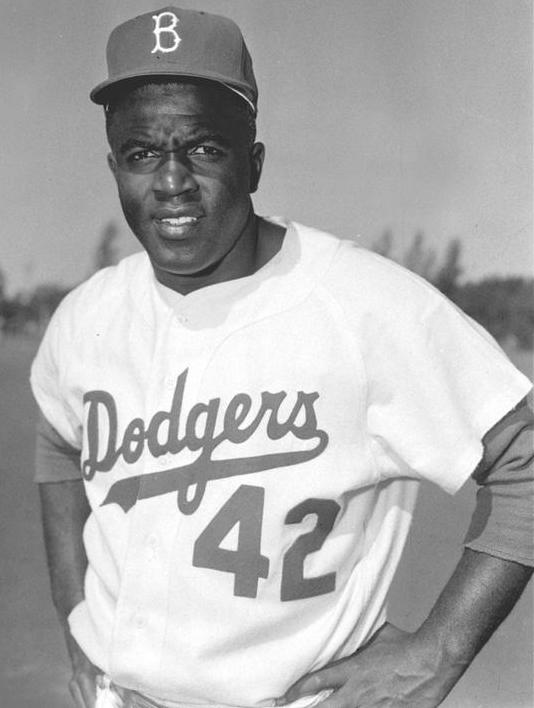
Growing up in Pasadena, Robinson excelled in multiple sports, showcasing a natural athleticism that set him apart from his peers. At John Muir High School, he starred in football, basketball, track, and baseball, earning a reputation as one of the most talented young athletes in the region. He continued his athletic dominance at Pasadena Junior College before transferring to UCLA, where he became the first student-athlete in the school’s history to letter in four sports: baseball, football, basketball, and track. Robinson’s versatility and talent were unparalleled, and his athletic prowess hinted at the greatness he would later achieve.
Despite his success on the field, Robinson faced significant challenges off it. The pervasive racism of the era limited opportunities for African American athletes, and Robinson’s dreams of pursuing a professional career were tempered by the harsh realities of segregation. After leaving UCLA, Robinson briefly played semi-professional football and worked various jobs to support himself and his family. During World War II, he served in the U.S. Army, where he encountered racism and segregation but also demonstrated leadership, earning an honorable discharge after refusing to comply with a discriminatory bus policy.
Jackie Robinson’s journey to MLB began in 1945 when he signed with the Kansas City Monarchs, a team in the Negro Leagues. While Robinson excelled on the field, hitting .387 during his time with the Monarchs, he was disillusioned by the disorganization and lack of resources in the league. At the same time, Brooklyn Dodgers president and general manager Branch Rickey was searching for the right player to integrate Major League Baseball. Rickey believed that breaking the color barrier was both a moral imperative and a business opportunity, but he needed someone with exceptional talent and unshakable resolve to withstand the inevitable backlash.
Rickey chose Robinson, recognizing his combination of athletic ability, intelligence, and character. During their initial meeting, Rickey made it clear that Robinson would face relentless racism, hostility from fans and players, and intense scrutiny from the media. Rickey famously challenged Robinson to demonstrate restraint and avoid retaliation, emphasizing the importance of maintaining composure in the face of adversity. Robinson agreed, understanding that his success would pave the way for future generations of African American players.
In 1946, Robinson was assigned to the Montreal Royals, the Dodgers’ top minor league affiliate. Playing second base, Robinson quickly proved he belonged, leading the International League with a .349 batting average and earning the league’s Most Valuable Player (MVP) award. His performance and conduct demonstrated his readiness for the major leagues, and on April 15, 1947, Jackie Robinson made his historic debut with the Brooklyn Dodgers, becoming the first African American player in modern MLB history.
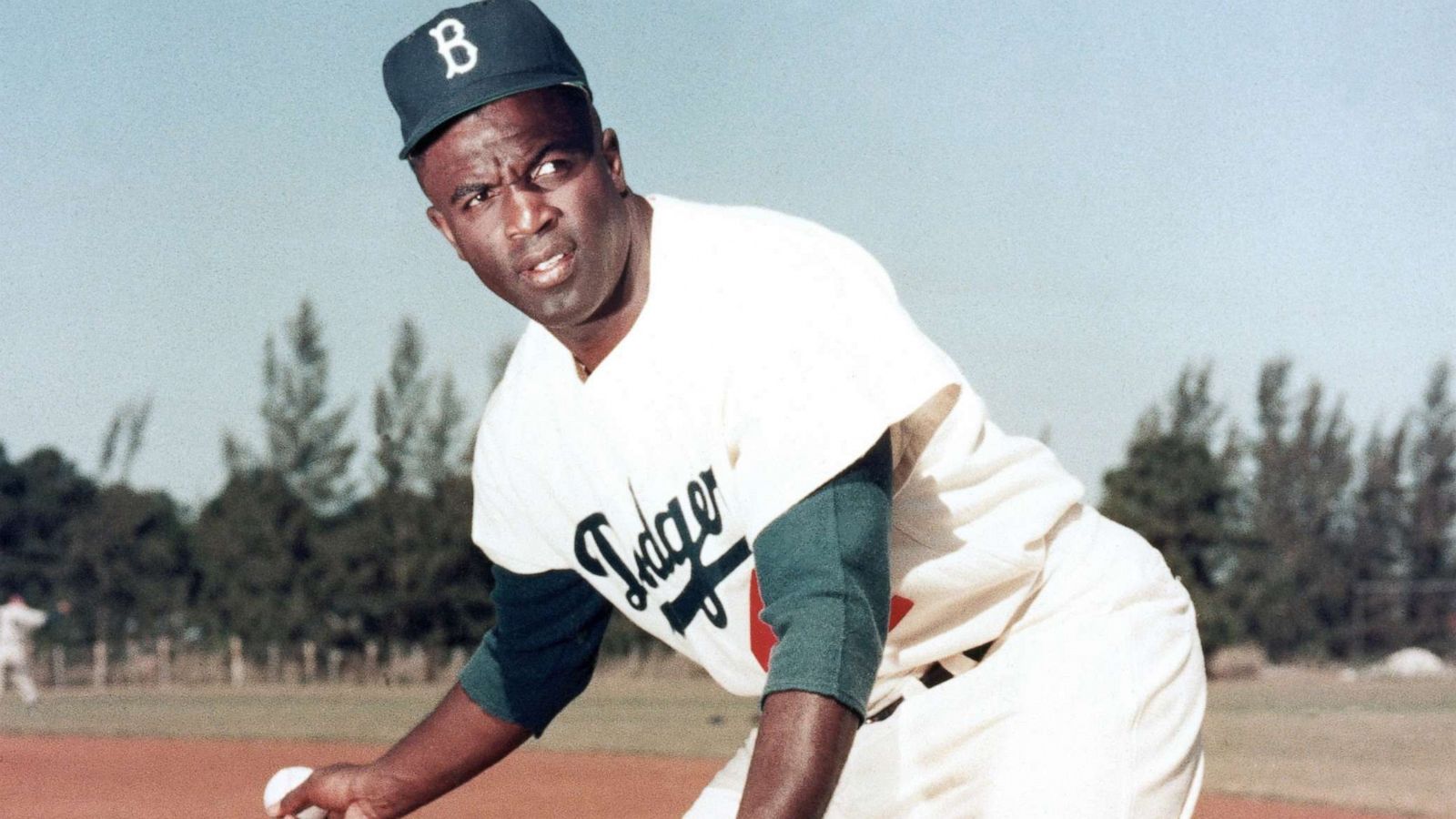
Robinson’s rookie season was one of the most challenging yet impactful in MLB history. From the moment he stepped onto the field, he faced unrelenting racism from fans, opposing players, and even some of his own teammates. Robinson was subjected to racial slurs, threats, and acts of intimidation, including pitchers deliberately throwing at him and opponents spiking him with their cleats. Despite the constant abuse, Robinson displayed remarkable courage and restraint, adhering to the agreement he had made with Rickey.
On the field, Robinson excelled, proving he was much more than a symbolic figure. As the Dodgers’ first baseman, he hit .297 with 125 runs scored, 12 home runs, and 29 stolen bases, leading the league in stolen bases and helping Brooklyn win the National League pennant. His combination of speed, power, and baseball intelligence made him one of the most exciting players in the game. At the end of the season, Robinson was named the inaugural MLB Rookie of the Year, an award that would later bear his name.
Robinson’s success during his rookie season was a turning point for baseball and American society. His performance silenced many critics who doubted whether an African American player could compete at the highest level, and his ability to endure intense scrutiny and hostility earned him widespread admiration. While the integration of baseball did not eliminate racism within the sport or society, it marked a significant step forward in the fight for civil rights and equality.
As Robinson’s career progressed, he continued to elevate his game, becoming one of the premier players in MLB. In 1949, Robinson enjoyed the best season of his career, winning the National League MVP award. He led the league with a .342 batting average, 37 stolen bases, and 124 runs scored while also recording 203 hits, 38 doubles, and 12 triples. Robinson’s ability to hit for average, power, and speed made him a complete player, and his contributions helped the Dodgers secure another National League pennant.
Robinson’s impact extended beyond his individual statistics. As a leader on the field and in the clubhouse, he inspired his teammates and set a standard of excellence that defined the Dodgers during his tenure. His aggressive baserunning, including stealing home plate, became a hallmark of his playing style and a source of excitement for fans. Robinson’s presence also forced opposing teams to adapt, as his ability to disrupt games with his speed and intelligence gave the Dodgers a competitive edge.

Over the course of his 10-year MLB career, Robinson compiled a .311 batting average, 137 home runs, 734 RBIs, and 197 stolen bases. He was a six-time All-Star and helped lead the Dodgers to six National League pennants and one World Series championship in 1955. His consistent excellence on the field and his ability to perform under pressure made him one of the most respected players of his era.
Jackie Robinson’s career was filled with moments that showcased his resilience and determination. One such moment occurred in 1947 when the Dodgers faced the Philadelphia Phillies. Phillies manager Ben Chapman and his players directed vicious racial taunts at Robinson throughout the series, attempting to rattle him. Instead of succumbing to their harassment, Robinson used the incident as motivation, maintaining his composure and performing at a high level.
Robinson’s ability to turn adversity into triumph was a recurring theme throughout his career. He was known for his fierce competitiveness and refusal to back down, traits that endeared him to fans and teammates alike. Despite the challenges he faced, Robinson carried himself with dignity and grace, earning the respect of many who had initially opposed his presence in the game.
One of Robinson’s most iconic moments came during the 1955 World Series, when the Dodgers faced their archrival, the New York Yankees. Robinson’s leadership and contributions helped the Dodgers win the series in seven games, capturing the franchise’s first-ever championship. The victory was a culmination of years of hard work and perseverance, and it solidified Robinson’s place in baseball history.
Jackie Robinson’s impact on baseball and American society cannot be overstated. By breaking the color barrier, he paved the way for future generations of African American players and helped integrate the sport at all levels. His success demonstrated that talent and character, not race, should determine one’s opportunities, and his presence in the game challenged longstanding prejudices and stereotypes.
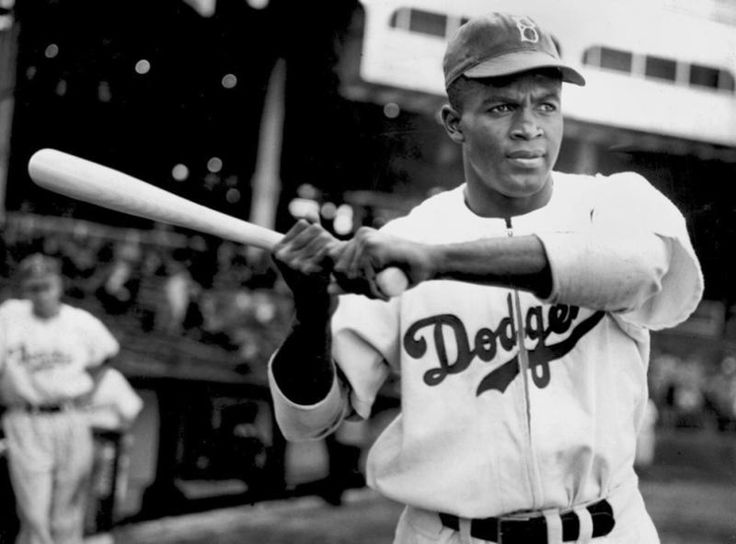
Robinson’s influence extended far beyond the field. He became a vocal advocate for civil rights, using his platform to speak out against racism and injustice. After retiring from baseball in 1956, Robinson continued to work toward social change, serving as a business executive, political activist, and supporter of various civil rights initiatives. His courage and leadership inspired countless individuals, and his legacy as a trailblazer remains an enduring symbol of progress.
In recognition of his contributions, Robinson was inducted into the Baseball Hall of Fame in 1962, becoming the first African American player to receive the honor. In 1997, MLB retired Robinson’s jersey number, 42, across all teams, ensuring that his legacy would be remembered by future generations. Each year, on April 15, players and teams celebrate Jackie Robinson Day, wearing his number in tribute to his enduring impact on the game and society.
Jackie Robinson’s legacy is one of courage, excellence, and perseverance. As a player, he redefined what it meant to be great, combining extraordinary athletic ability with unmatched resilience. As a pioneer, he shattered barriers and opened doors for others, leaving an indelible mark on baseball and American history. Robinson’s story is a reminder of the power of sports to drive social change and the importance of standing up for what is right.
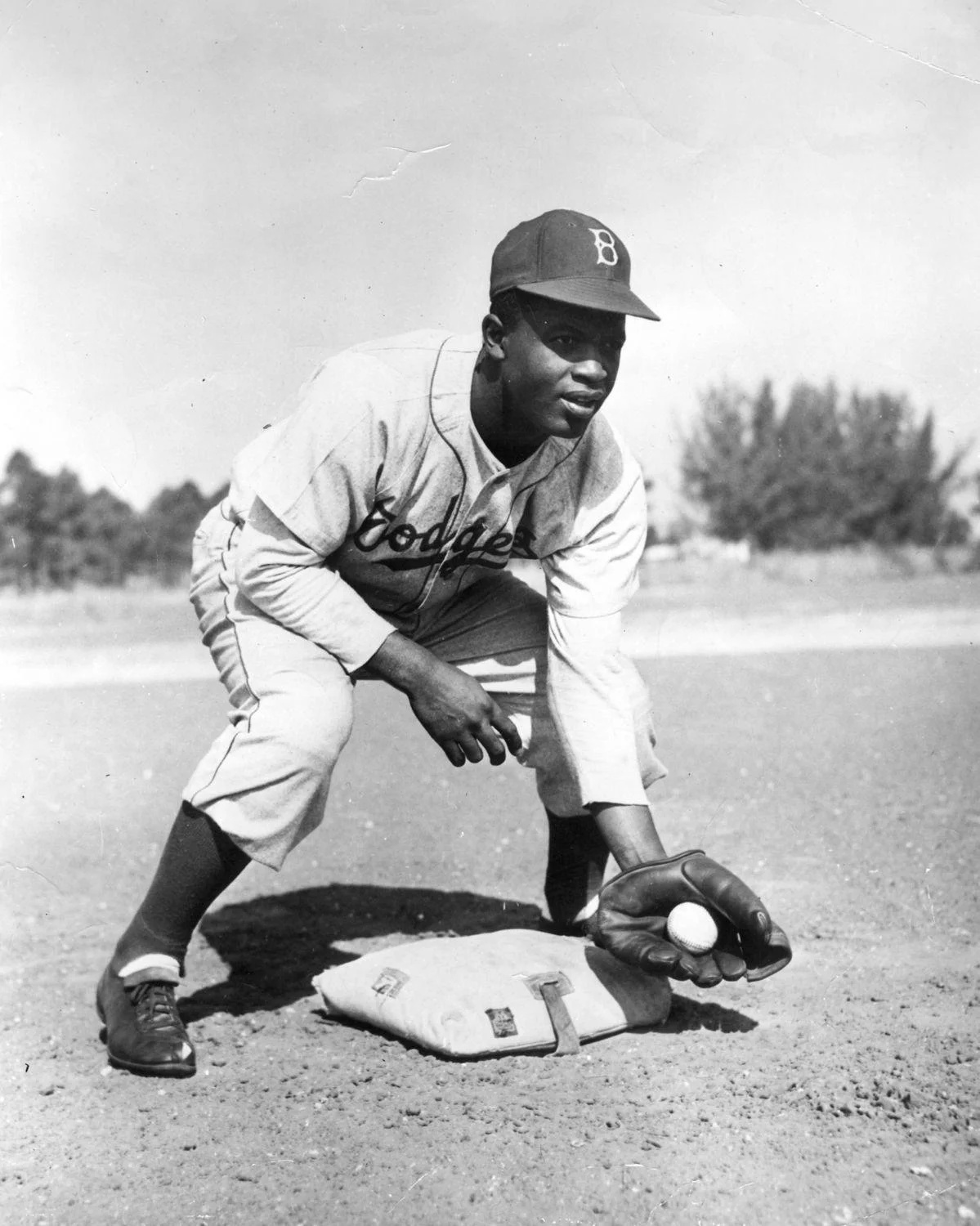
Today, Robinson’s influence is felt not only in baseball but also in the broader fight for equality and justice. His life and career serve as an inspiration to athletes, activists, and individuals striving to make a difference. Jackie Robinson’s contributions to the game and society will forever be celebrated, ensuring that his legacy as a true American hero endures for generations to come.




 The Baseball Scholar
Leave a comment