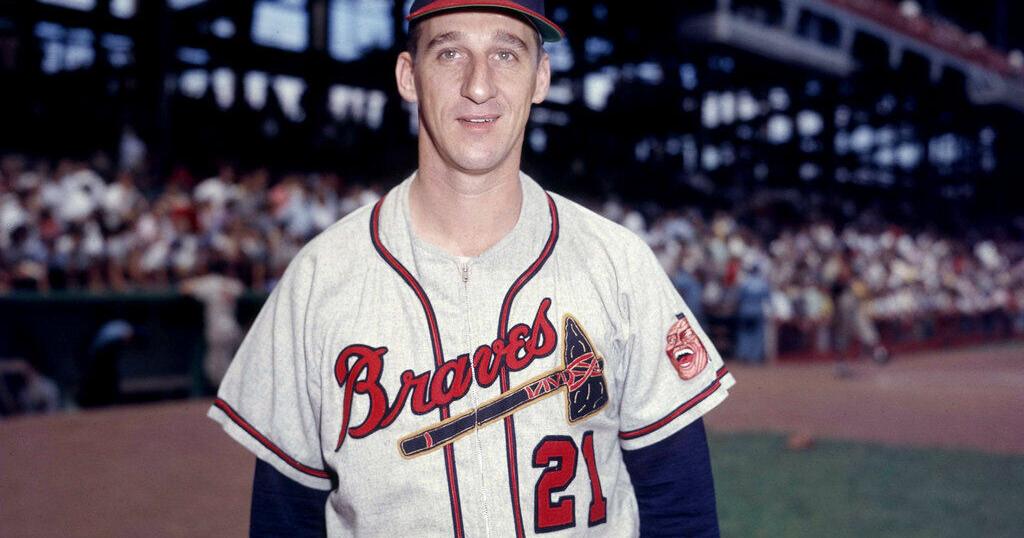
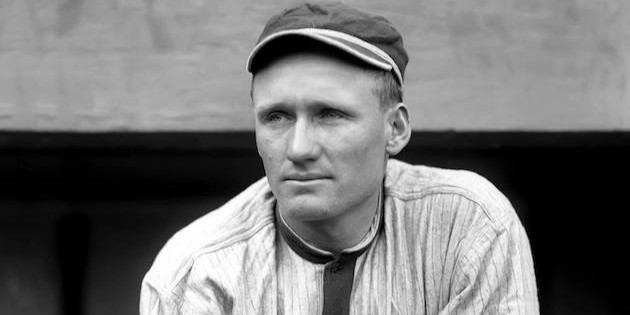
Warren Spahn is a name etched into the annals of baseball history as one of the most dominant and enduring pitchers of all time. Over a remarkable career that spanned more than two decades, Spahn carved out a legacy of excellence, becoming the winningest left-handed pitcher in Major League Baseball history. His career, highlighted by unparalleled consistency, 363 victories, and a slew of individual and team achievements, reflects a dedication to craft and a fierce competitive spirit that transcends eras.
To fully appreciate Spahn’s impact on the game of baseball, it is essential to examine his early life and development, the highlights of his storied career, his statistical accomplishments, and the broader influence he had on the sport. Spahn’s story is one of perseverance, resilience, and an unyielding passion for the game, attributes that defined his journey from a small-town upbringing to a Hall of Fame career.
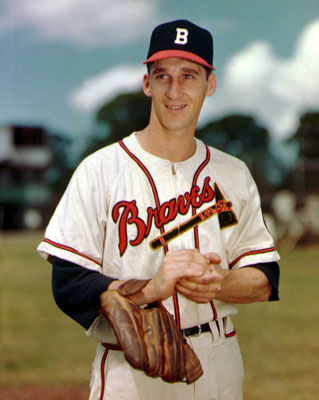
Warren Edward Spahn was born on April 23, 1921, in Buffalo, New York. He grew up in a working-class family, where his father, an amateur baseball player, introduced him to the sport at an early age. Spahn’s father recognized his son’s potential and encouraged him to develop both his skills and his mental approach to the game. The elder Spahn emphasized the importance of control, consistency, and intelligence on the mound, qualities that would later define Warren’s career.
As a teenager, Spahn excelled in baseball at South Park High School in Buffalo. A standout both as a pitcher and a hitter, he quickly became a local sensation, attracting the attention of scouts. In 1940, at the age of 19, Spahn signed with the Boston Braves organization. His journey to the majors, however, was interrupted by World War II, which would play a pivotal role in shaping his character and career.
Spahn’s baseball career was put on hold in 1943 when he joined the United States Army to serve in World War II. Assigned to the 276th Engineer Combat Battalion, Spahn participated in some of the war’s most intense battles, including the Battle of the Bulge and the Ludendorff Bridge assault at Remagen. He earned a Bronze Star and a Purple Heart for his bravery, experiences that left an indelible mark on him.
The war years deprived Spahn of critical development time during his early 20s, a period when most players refine their skills at the highest level. Yet, Spahn credited his military service with instilling in him a mental toughness and sense of perspective that he carried onto the baseball field. When he returned to the game in 1946, he was no longer the raw prospect who had left years earlier. Instead, he was a hardened and determined competitor, ready to make his mark in the major leagues.
Spahn’s first full season in the majors came in 1947 with the Boston Braves. At 26 years old, he was older than most rookies, but he quickly proved that his time away from the game had not diminished his potential. In his first full campaign, Spahn posted a 21-10 record with a 2.33 ERA, showcasing the pinpoint control and strategic mindset that would become his trademarks.
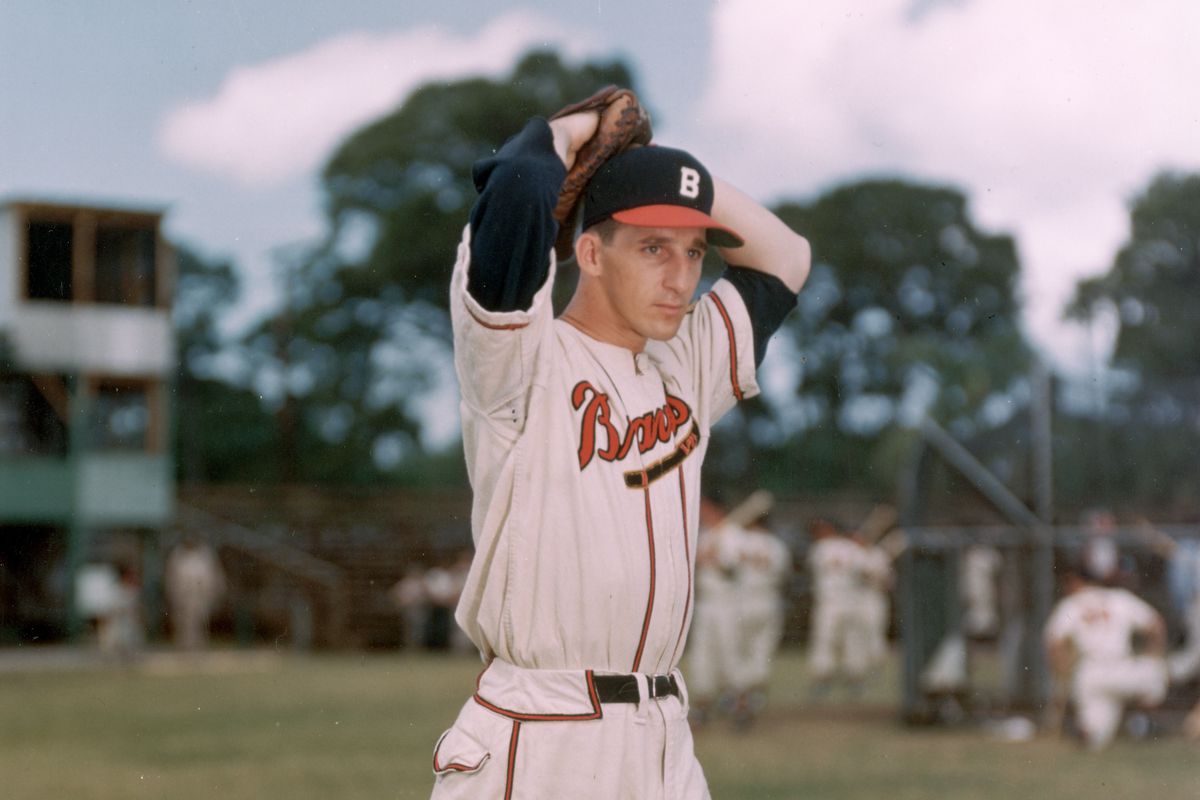
The late 1940s marked the beginning of Spahn’s ascent to stardom. In 1948, he played a crucial role in leading the Braves to the National League pennant. Teaming with fellow pitcher Johnny Sain, Spahn formed one of the most formidable duos in baseball, inspiring the famous phrase, “Spahn and Sain and pray for rain.” That year, Spahn won 15 games and pitched a complete game in the World Series, though the Braves ultimately fell to the Cleveland Indians.
The 1950s were a golden era for Warren Spahn. During this decade, he solidified his reputation as the premier left-handed pitcher in baseball. Spahn led the National League in wins eight times, ERA three times, and strikeouts four times during his career. His ability to adapt and outthink hitters, combined with a devastating screwball and exceptional control, made him nearly untouchable.
Spahn’s durability was one of his defining traits. From 1947 to 1963, he won at least 20 games in 13 different seasons, a feat unmatched by any other pitcher in the live-ball era. His consistency was a testament to his rigorous work ethic and meticulous preparation. Spahn was known for his relentless dedication to staying in peak physical condition, even as he entered his late 30s and early 40s.
One of Spahn’s most memorable achievements came on September 16, 1960, when he pitched a no-hitter against the Philadelphia Phillies at the age of 39. Remarkably, he repeated the feat the following year, no-hitting the San Francisco Giants at the age of 40. These performances underscored Spahn’s ability to defy the aging curve and remain dominant well into his 40s.
Warren Spahn’s career statistics are a testament to his greatness. His 363 career wins are the most by a left-handed pitcher in Major League history and rank sixth overall. Spahn also recorded 2,583 strikeouts, a remarkable total for an era in which hitters rarely struck out at modern rates. He compiled a career ERA of 3.09 over 5,243.2 innings pitched, demonstrating his ability to maintain effectiveness over a prolonged period.

Spahn was a 17-time All-Star, a National League Cy Young Award winner in 1957, and a three-time league leader in ERA. His prowess as a hitter further set him apart from his pitching peers. Spahn hit 35 career home runs, the most by any pitcher in the modern era, and he frequently contributed offensively to his team’s success.
Spahn’s career is filled with unforgettable moments and anecdotes that highlight his competitive spirit and larger-than-life presence on the mound. Perhaps the most famous example is his epic duel with San Francisco Giants pitcher Juan Marichal on July 2, 1963. The two pitchers squared off in a 16-inning marathon, with Marichal’s Giants ultimately winning 1-0 on a solo home run by Willie Mays. Spahn, at the age of 42, threw 201 pitches in the game, an extraordinary display of endurance and determination.
Spahn was also known for his colorful personality and sense of humor. When asked about his longevity, he quipped, “I didn’t retire. The hitters retired me.” His wit and charisma endeared him to fans and teammates alike, making him one of the most beloved figures in the sport.
Warren Spahn’s impact on baseball extends far beyond his statistics and accolades. He set a standard for excellence and longevity that continues to inspire pitchers across generations. Spahn’s emphasis on control, strategy, and conditioning served as a blueprint for success, demonstrating that intellect and preparation are as important as raw talent.
Spahn’s influence can also be seen in the way he elevated the role of the pitcher as a complete player. His prowess as a hitter and his ability to field his position made him a valuable all-around contributor. In an era when pitchers were often viewed solely as specialists, Spahn showed that they could be multi-dimensional athletes.
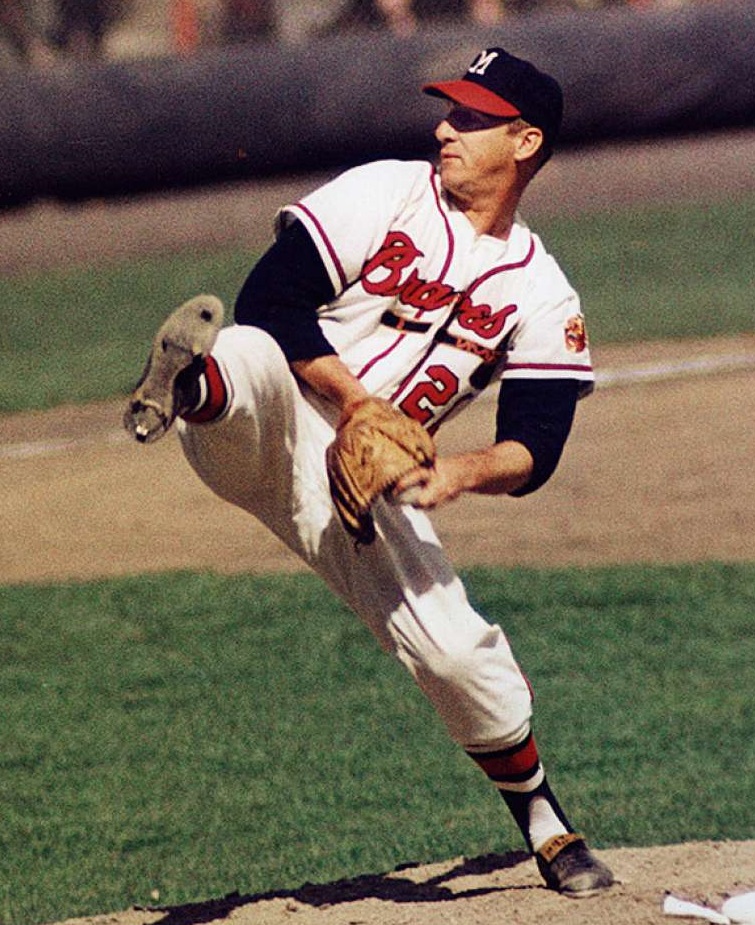
Spahn’s induction into the Baseball Hall of Fame in 1973 was a fitting culmination of his extraordinary career. His legacy endures as a symbol of resilience, intelligence, and an unwavering love for the game. As the years pass, his achievements continue to serve as a benchmark for greatness, ensuring that his name remains synonymous with the very best in baseball history.
Warren Spahn’s MLB career is a story of brilliance, resilience, and an enduring love for the game. From his humble beginnings in Buffalo to his emergence as the winningest left-handed pitcher of all time, Spahn’s journey is a testament to the power of perseverance and dedication. His remarkable statistics, unforgettable moments, and lasting impact on baseball ensure that he will forever be remembered as one of the sport’s true legends.



 The Baseball Scholar
Leave a comment