
Ron Santo’s career in Major League Baseball represents not only athletic greatness but also profound resilience and passion for the game. A third baseman for the Chicago Cubs and, briefly, the Chicago White Sox, Santo built a Hall of Fame career through exceptional hitting, fielding, and leadership on and off the field. He played during an era when third basemen were just beginning to gain recognition as both offensive and defensive powerhouses, and his contributions to the position helped redefine its role in baseball. Santo’s story, however, extends beyond his statistics, as he became an enduring figure of perseverance in the face of adversity, including his battle with diabetes—a challenge he kept secret for most of his playing days.
Ronald Edward Santo was born on February 25, 1940, in Seattle, Washington. Growing up in a working-class family, Santo discovered baseball at a young age, finding joy and escape in the game. As a boy, he showed a natural aptitude for sports and quickly became known for his strong arm and quick reflexes. Playing baseball in the sandlots of Seattle, Santo honed his skills as an infielder, displaying early signs of the talent that would define his professional career.

Santo attended Franklin High School in Seattle, where he continued to develop as a standout athlete. His combination of power at the plate and precision in the field attracted the attention of professional scouts, and in 1959, he signed with the Chicago Cubs as an amateur free agent. The Cubs, recognizing Santo’s potential, worked diligently to refine his raw talent, helping him transition into one of the brightest young stars in their organization.
Santo made his Major League debut with the Cubs on June 26, 1960, at just 20 years old. He wasted no time making an impression, hitting .251 with nine home runs and 44 RBIs in 95 games during his rookie season. Though still refining his skills, Santo displayed flashes of brilliance that suggested he would become a cornerstone player for the Cubs. His strong arm and defensive range at third base quickly solidified his position as a mainstay in the Cubs’ infield.
In 1961, Santo began to emerge as a consistent offensive force, batting .284 with 23 home runs and 83 RBIs. He also demonstrated an uncanny ability to draw walks, a skill that would become a hallmark of his career. By 1963, Santo had established himself as one of the best all-around third basemen in baseball, hitting .297 with 25 home runs and 99 RBIs. That season marked the first of nine All-Star selections for Santo, solidifying his reputation as a player capable of excelling on both sides of the ball.
Ron Santo’s offensive production throughout his career was nothing short of remarkable. Over 15 seasons, he compiled a lifetime batting average of .277, along with 342 home runs, 1,331 RBIs, and an impressive .826 OPS (on-base plus slugging percentage). For much of his career, Santo was one of the most consistent and productive hitters in the National League, often ranking among the league leaders in home runs, RBIs, and walks.
Between 1964 and 1967, Santo enjoyed the most productive stretch of his career. In 1964, he hit .313 with 30 home runs and 114 RBIs, leading the league in triples (13) and on-base percentage (.398). The following year, he continued his dominance, hitting 33 home runs and driving in 98 runs while posting a .313 batting average. His ability to hit for both power and average, combined with his keen eye at the plate, made him one of the most feared hitters in the league.
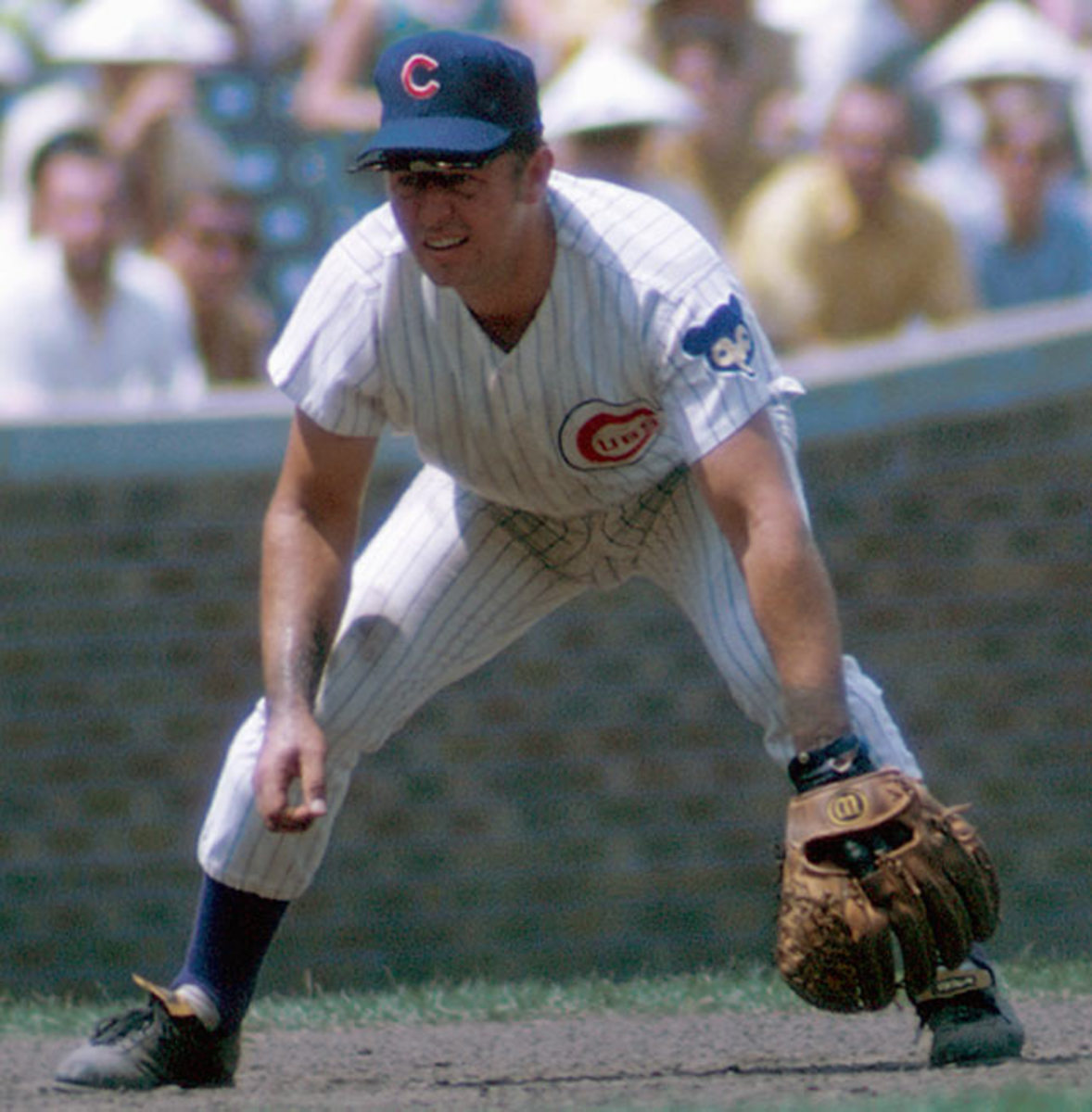
Santo’s offensive prowess was particularly impressive given the era in which he played. The 1960s were dominated by pitchers, with lower run-scoring averages and formidable mound presences like Sandy Koufax and Bob Gibson. Despite these challenges, Santo consistently posted elite offensive numbers, making his accomplishments all the more significant.
While Ron Santo’s offensive achievements are well-documented, his defensive contributions were equally noteworthy. As a third baseman, Santo was a model of consistency and reliability. He won five consecutive Gold Glove Awards from 1964 to 1968, a testament to his exceptional fielding skills. Santo’s range, strong arm, and ability to make difficult plays look routine set him apart from his peers at the hot corner.
Santo’s defensive metrics further underscore his brilliance. He led National League third basemen in assists for seven consecutive seasons (1962–1968) and consistently ranked among the league leaders in fielding percentage. His ability to anchor the infield and provide steady defense was a critical component of the Cubs’ success during his tenure with the team.
In many ways, Santo helped elevate the defensive expectations for third basemen. Before his era, the position was often seen as secondary to shortstop or second base in terms of defensive importance. Santo’s combination of defensive excellence and offensive production helped redefine the role, paving the way for future stars like Mike Schmidt and George Brett.
Ron Santo’s impact on the Chicago Cubs extended beyond his on-field performance. He was a vocal leader and an emotional cornerstone for the team, embodying the passion and commitment that endeared him to fans and teammates alike. Despite playing on many Cubs teams that struggled to compete in the standings, Santo remained steadfast in his dedication to the franchise.
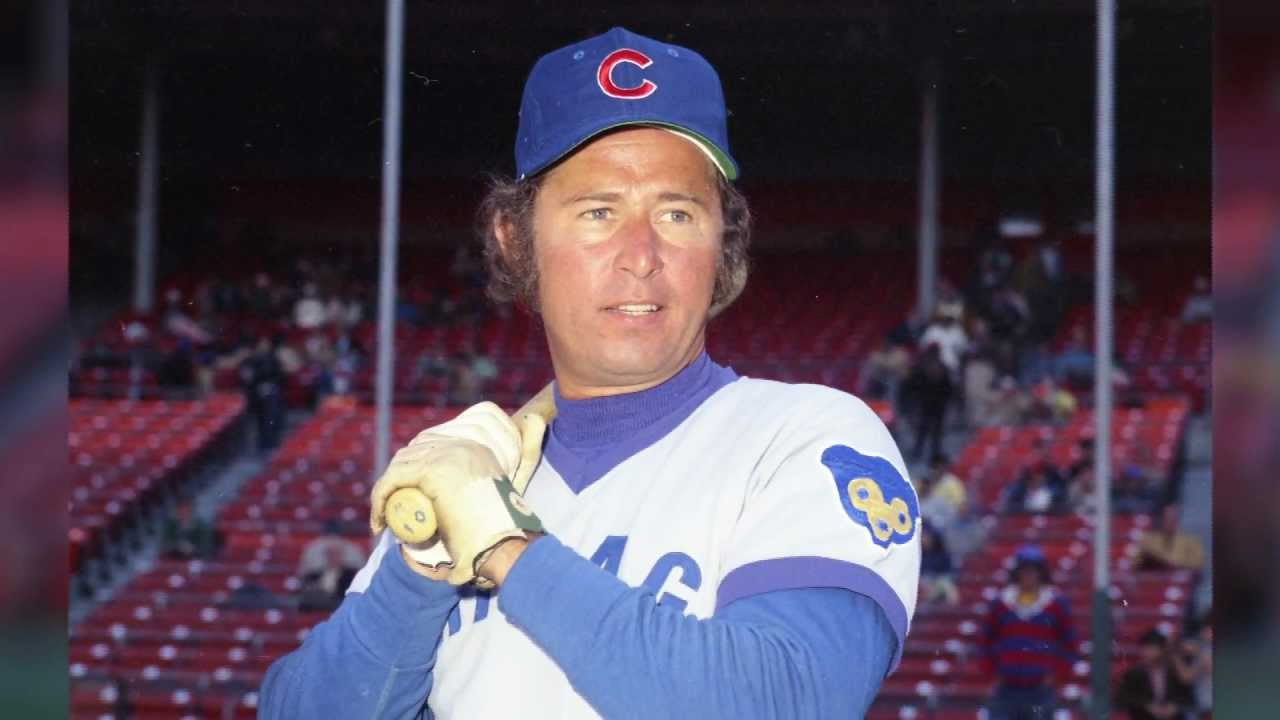
One of Santo’s most iconic gestures as a Cub was his infamous “heel click” celebration after home victories at Wrigley Field. This exuberant display of joy became a signature moment for Santo and a source of inspiration for Cubs fans. It exemplified his love for the game and his connection to the team’s loyal supporters.
The 1969 season, often referred to as the “Year of the Collapse,” was both a highlight and a heartbreak for Santo and the Cubs. The team led the National League East for much of the season before faltering in September, finishing eight games behind the New York Mets. Despite the disappointing ending, Santo had one of his finest seasons, hitting .289 with 29 home runs and 123 RBIs. His performance that year was emblematic of his ability to rise to the occasion and deliver for his team.
Throughout his career, Ron Santo faced a challenge that few outside his inner circle knew about: Type 1 diabetes. Diagnosed as a teenager, Santo managed his condition while playing at the highest level of professional baseball, a feat that remains extraordinary to this day. In an era with limited medical advancements and understanding of diabetes, Santo’s ability to perform at an elite level is a testament to his determination and mental toughness.
Santo kept his diagnosis private during his playing days, fearing that it might lead to discrimination or jeopardize his career. He managed his blood sugar levels through a strict regimen, often injecting insulin in the clubhouse between innings. His resilience and ability to excel despite this challenge made his accomplishments even more remarkable.
Later in life, Santo became an advocate for diabetes awareness and research. He used his platform to raise millions of dollars for the Juvenile Diabetes Research Foundation, becoming a symbol of hope and inspiration for others living with the disease.
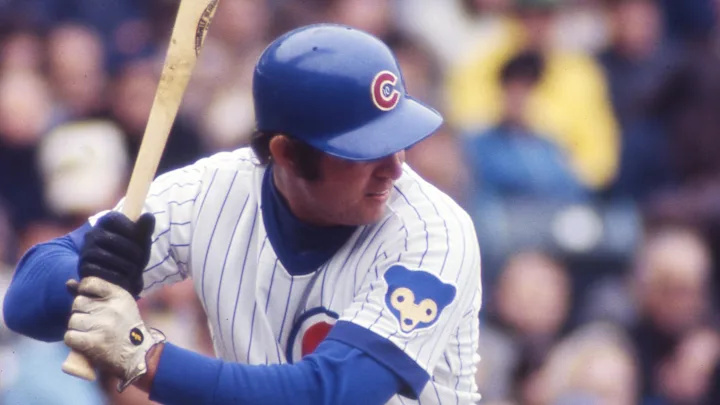
After retiring as a player in 1974, Ron Santo transitioned to a successful career as a broadcaster for the Cubs. His passion for the game and deep knowledge of baseball made him a beloved figure in the booth. Santo’s candid and emotional commentary endeared him to a new generation of Cubs fans, and his connection to the team remained as strong as ever.
For many years, Santo’s omission from the Baseball Hall of Fame was a source of controversy and frustration for his supporters. Despite his outstanding career statistics and contributions to the game, he was repeatedly passed over by the Baseball Writers’ Association of America and the Veterans Committee. It wasn’t until 2012, two years after his death, that Santo was finally inducted into the Hall of Fame. The long-overdue recognition was a bittersweet moment for his family, friends, and fans, who celebrated his legacy while lamenting that he did not live to see the honor.
Ron Santo’s impact on baseball transcends his impressive statistics and accolades. As a player, he helped redefine the role of third basemen, setting a standard for both offensive and defensive excellence. His resilience in the face of personal challenges, including his battle with diabetes, serves as an enduring inspiration for athletes and fans alike.

Santo’s contributions to the Cubs and the city of Chicago are immeasurable. He became a symbol of loyalty, passion, and perseverance, embodying the spirit of a franchise and a fanbase that endured decades of heartache and disappointment. His legacy lives on in the hearts of Cubs fans, who remember him not only as a great player but also as a beloved ambassador for the game.
In the broader context of baseball history, Santo’s career stands as a reminder of the importance of recognizing greatness in all its forms. His journey from a young boy in Seattle to a Hall of Fame legend is a testament to the power of talent, hard work, and an unwavering love for the game. Ron Santo’s story will continue to inspire future generations of players and fans, ensuring that his impact on baseball endures for years to come.



 The Baseball Scholar
Leave a comment