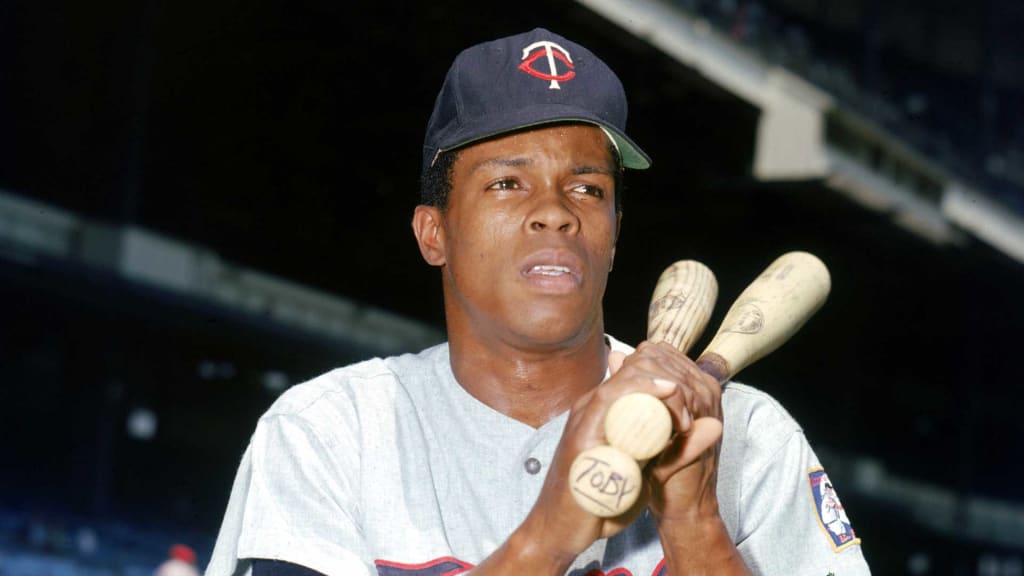
Rod Carew, one of the most prolific and graceful hitters in Major League Baseball history, carved out a legendary career that spanned 19 seasons with the Minnesota Twins and the California Angels. A symbol of consistency and excellence, Carew combined technical precision with natural ability to become one of the most respected players of his era. His career was marked by numerous accolades, including 18 All-Star selections, seven batting titles, and induction into the Baseball Hall of Fame in 1991.
To truly understand the impact of Rod Carew on the game of baseball, it is essential to explore the entirety of his journey—from his early life and development as a young athlete to his dominance at the plate, his incredible statistical achievements, and the profound influence he had on generations of players and fans. In a career that encompassed both individual brilliance and team leadership, Carew not only elevated the art of hitting but also left an indelible mark on the game itself.
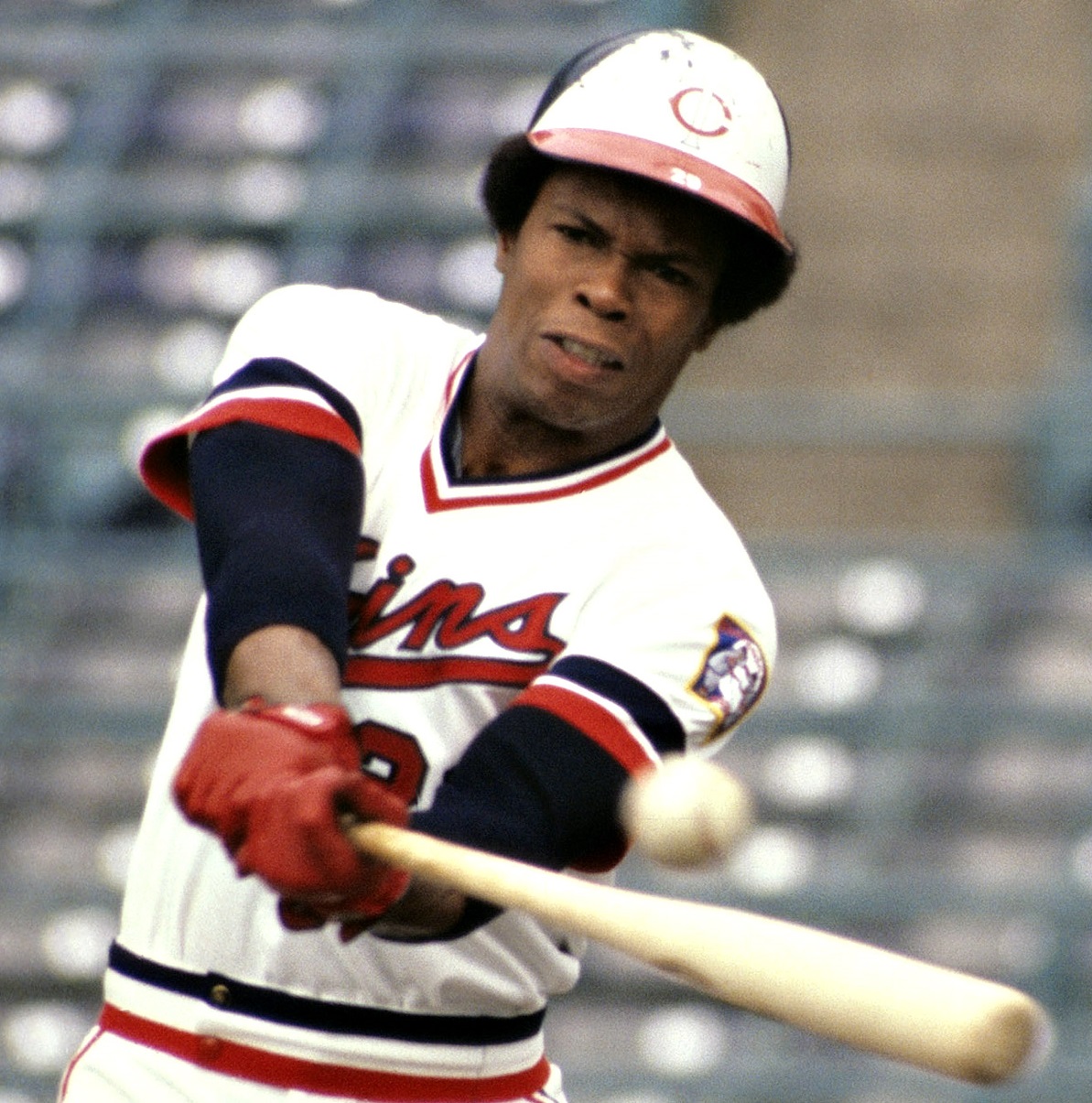
Rodney Cline Carew was born on October 1, 1945, in Gatún, in the Panama Canal Zone. His early life was one of modest beginnings, growing up in a family with limited resources. From a young age, Carew displayed a natural aptitude for baseball, a sport he would play with neighborhood friends on the streets and fields of Panama. His love for the game was evident, but it wasn’t until his family immigrated to New York City when he was 14 years old that his path to professional baseball began to take shape.
In New York, Carew attended Washington Heights High School and became a standout player on the school’s baseball team. His ability to hit for both average and power, coupled with his exceptional speed and fielding prowess, caught the attention of scouts. While he initially faced challenges adjusting to life in the United States, including overcoming language barriers, his determination and focus on baseball provided a path forward.
By 1964, Carew had signed with the Minnesota Twins as an amateur free agent. He began his professional career in the minor leagues, where his extraordinary talent quickly became apparent. Carew’s smooth, unorthodox batting style, which relied on impeccable hand-eye coordination and an innate ability to read pitchers, set him apart from his peers. His rapid ascent through the Twins’ farm system culminated in his major league debut on April 11, 1967, at the age of 21.
Rod Carew’s rookie season in 1967 immediately established him as a player to watch. In 137 games, he posted a .292 batting average with 150 hits, eight home runs, and 51 RBIs. His performance earned him the American League Rookie of the Year Award, a testament to his maturity and readiness to excel at the highest level of competition. From the outset, Carew’s unique approach to hitting was evident—he was a master at making contact and spraying the ball to all fields.
Over the next several seasons, Carew solidified his reputation as one of the premier hitters in baseball. His ability to consistently hit for average was unmatched, and his versatility allowed him to succeed against a variety of pitching styles. During this period, he also began to develop his reputation as a threat on the basepaths. In addition to his hitting, Carew’s speed and baserunning acumen made him a multi-dimensional offensive force.
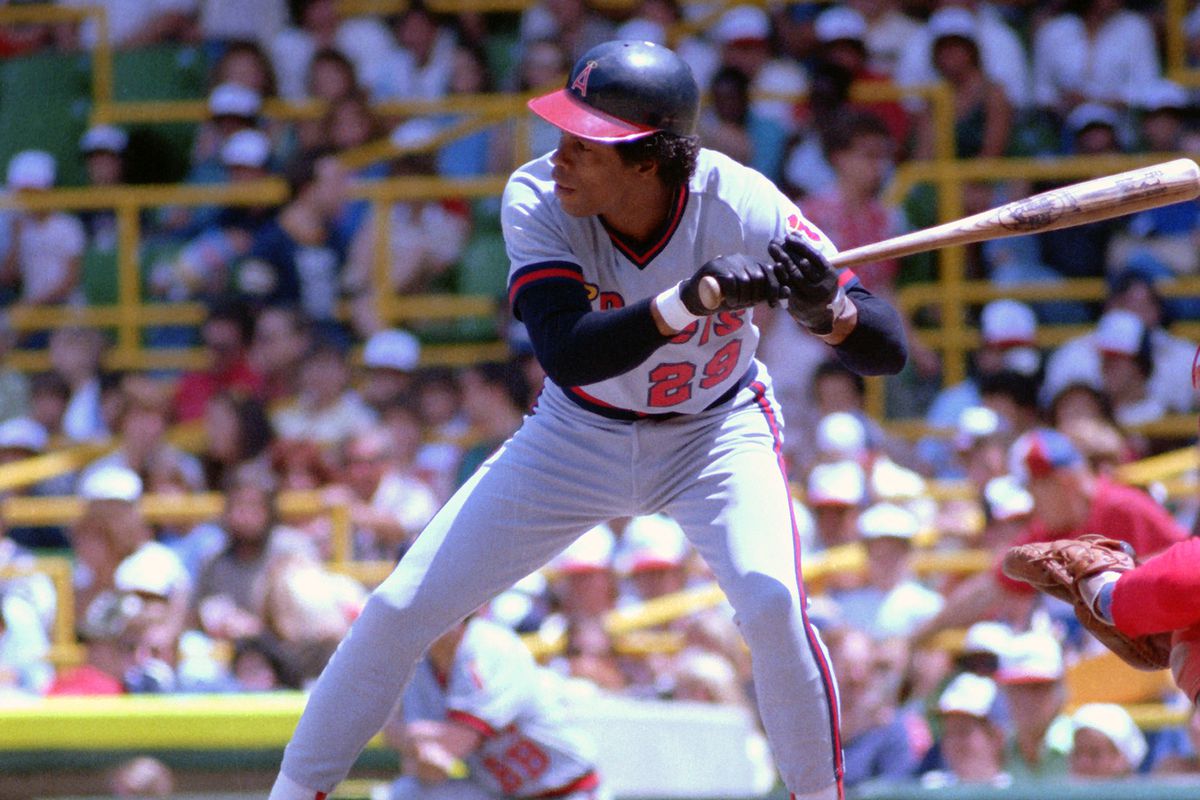
In 1972, Carew achieved a milestone that underscored his status as one of the game’s elite players when he won his first American League batting title. He hit .318 that season, and it marked the beginning of a dominant stretch in which he would claim six more batting titles over the next decade. Carew’s ability to adjust to pitchers and make in-game adjustments was unparalleled, and his batting titles were a reflection of his relentless work ethic and commitment to his craft.
The mid-1970s represented the zenith of Rod Carew’s career, a period during which he achieved remarkable statistical success and solidified his legacy as one of baseball’s greatest hitters. From 1973 to 1978, Carew won five batting titles, finishing with an average of .350 or higher in four of those seasons. His 1977 campaign, in particular, stands out as one of the most extraordinary single seasons in baseball history.
During the 1977 season, Carew batted an astonishing .388, leading the league in hits (239), runs scored (128), and on-base percentage (.449). His performance earned him the American League Most Valuable Player (MVP) Award, a recognition of his unparalleled dominance at the plate. Carew’s ability to consistently produce hits while maintaining a high level of patience and discipline was a hallmark of his game. He struck out only 68 times in 694 plate appearances that year, highlighting his precision and control at the plate.
Carew’s success was not limited to individual achievements. He was a key contributor to the Minnesota Twins’ offense, helping the team contend in a competitive American League. His leadership and professionalism set an example for his teammates, and his consistent production made him a cornerstone of the franchise.
In 1979, Rod Carew was traded to the California Angels, a move that marked the next chapter of his illustrious career. While his numbers with the Angels were slightly less gaudy than his peak years in Minnesota, Carew remained one of the most effective and respected hitters in the league. His tenure with the Angels was characterized by continued consistency and a leadership role that extended beyond the field.

Carew’s ability to adapt to new surroundings and maintain his high level of performance was evident in his early years with the Angels. In 1980, he batted .331 and was selected to the All-Star Game for the 14th consecutive season. Carew’s impact on the Angels extended beyond his offensive contributions; he served as a mentor to younger players and was a stabilizing presence in the clubhouse.
In 1983, Carew reached a significant career milestone when he recorded his 3,000th hit, becoming the 16th player in Major League Baseball history to achieve the feat. The hit, a single against the Minnesota Twins, was a fitting tribute to his career-long dedication to the craft of hitting. Carew’s 3,000th hit was not only a personal achievement but also a reflection of his sustained excellence and longevity in the game.
Rod Carew’s impact on the game of baseball extends far beyond his impressive statistics. As a player, he redefined what it meant to be a contact hitter, demonstrating that precision, patience, and adaptability could be as valuable as power and home runs. Carew’s career .328 batting average ranks among the highest in modern baseball history, and his seven batting titles place him in elite company.
In addition to his on-field accomplishments, Carew’s influence on the game can be seen in the respect and admiration he garnered from teammates, opponents, and fans. His quiet demeanor and unwavering focus made him a role model for aspiring players, and his work ethic set a standard for professionalism in the sport.
After his retirement in 1985, Carew remained involved in baseball as a coach and ambassador for the game. His induction into the Baseball Hall of Fame in 1991, in his first year of eligibility, was a testament to the enduring legacy of his career. Carew’s contributions to the game have been recognized in numerous ways, including the renaming of the American League batting title to the “Rod Carew Award” in his honor.
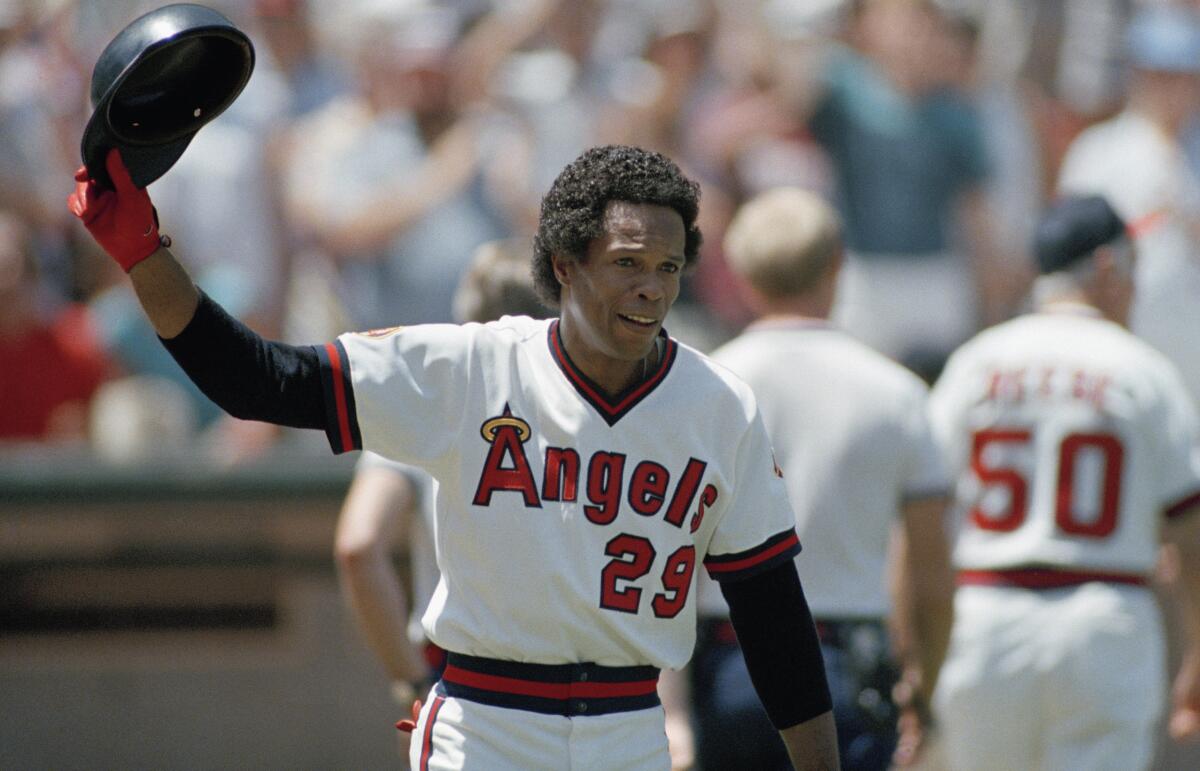
Rod Carew’s MLB career is a testament to the art of hitting and the power of consistency. From his early days as a promising young talent to his emergence as one of the game’s greatest players, Carew’s journey is a story of dedication, resilience, and excellence. His .328 career batting average, seven batting titles, and 18 All-Star selections are testaments to his incredible skill and impact on the game.
Carew’s legacy is not only defined by his statistical achievements but also by the respect he earned from those who played alongside him and watched him perform. He remains a symbol of the beauty and precision of baseball, a player who elevated the game through his mastery of its most fundamental skill: hitting. Rod Carew’s name will forever be synonymous with greatness, and his contributions to the game will continue to inspire generations of players and fans.




 The Baseball Scholar
Leave a comment