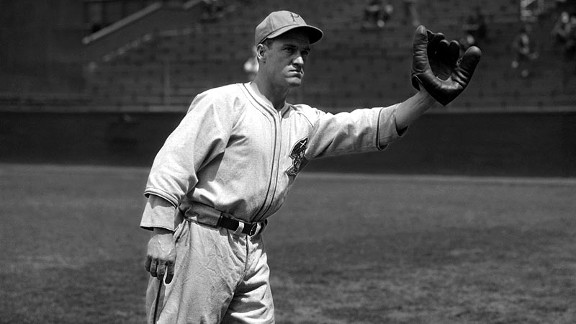
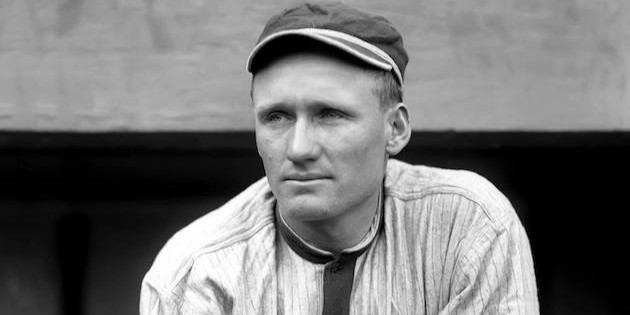
Joseph Floyd Vaughan, better known as Arky Vaughan, remains one of the most talented yet often underappreciated players in Major League Baseball history. A shortstop who combined remarkable offensive prowess with consistent defensive skill, Vaughan carved out a stellar career primarily with the Pittsburgh Pirates and later with the Brooklyn Dodgers. His career, which spanned 14 seasons from 1932 to 1948, is a testament to his extraordinary talent and the significant impact he had on the game of baseball during a period defined by great players.
Though Vaughan’s name may not always come up in conversations about the all-time greats, his accomplishments on the diamond place him firmly among the elite. His career .318 batting average, superb on-base percentage, and stellar play at shortstop rank him as one of the best at his position in baseball history. Beyond his individual statistics, Vaughan’s quiet demeanor and steadfast dedication to the game earned him the respect of teammates and opponents alike. This essay explores Vaughan’s life, career, and enduring legacy in the annals of Major League Baseball.

Arky Vaughan was born on March 9, 1912, in Clifty, Arkansas, a small rural town that inspired his famous nickname. Though he spent much of his childhood in California, his connection to his birthplace remained part of his identity throughout his life. Vaughan grew up in Fullerton, California, where he developed his skills as a baseball player, excelling at a young age.
As a high school student, Vaughan stood out for his natural athleticism and ability to play multiple positions on the field. His versatility and exceptional hand-eye coordination made him a sought-after prospect, and by the time he graduated, professional scouts had taken notice. Vaughan signed with the San Francisco Seals of the Pacific Coast League, a move that set him on the path to the major leagues.
Playing for the Seals, Vaughan quickly showcased his potential, drawing attention from major league teams. His smooth swing, sharp defensive instincts, and ability to hit for both average and power made him one of the most promising young players in the league. In 1932, at the age of 20, Vaughan made his debut with the Pittsburgh Pirates, beginning a journey that would establish him as one of the most consistent and impactful players of his era.
Arky Vaughan wasted little time making an impact in the major leagues. As a rookie in 1932, he hit .318 in 129 games, immediately establishing himself as a key player for the Pirates. Vaughan’s ability to hit for average while demonstrating patience at the plate was rare for a player of his age and position. His rookie performance set the tone for what would become a remarkable career.
In the years that followed, Vaughan solidified his reputation as one of the league’s premier shortstops. From 1933 to 1941, he hit above .300 in every season except one, earning a reputation as one of the most consistent hitters in the National League. His approach at the plate was defined by a keen batting eye and an ability to drive the ball to all fields. Vaughan’s .385 on-base percentage for his career reflects his discipline and ability to get on base, qualities that made him an invaluable asset to his team.
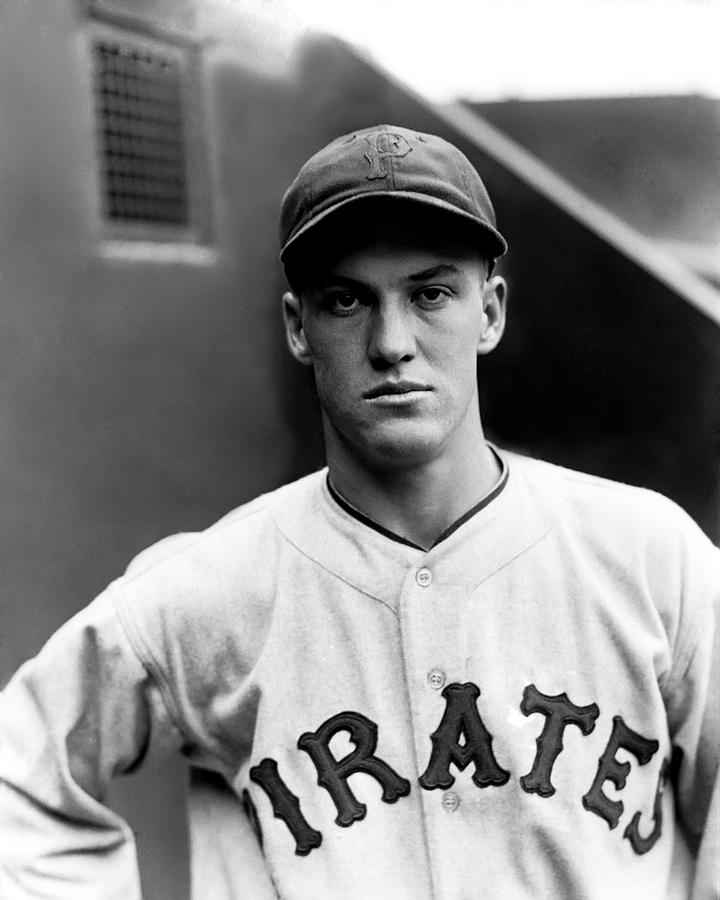
One of Vaughan’s standout seasons came in 1935, when he hit .385 with a league-leading .491 on-base percentage. He added 19 home runs, 99 RBIs, and 108 walks, showcasing his ability to combine power, patience, and contact hitting. Vaughan’s .491 on-base percentage that year remains one of the highest ever recorded by a shortstop, and his performance earned him a place among the game’s elite.
During the 1930s, Vaughan was a perennial All-Star, earning selections to the National League All-Star team nine times. His inclusion in the Midsummer Classic was a reflection of his status as one of the best players in baseball, and he consistently delivered in these games. In the 1941 All-Star Game, Vaughan hit a dramatic home run off Lefty Gomez, cementing his reputation as a player who thrived on the big stage.
Vaughan’s versatility and reliability made him a cornerstone of the Pirates’ lineup. He excelled not only as a hitter but also as a defender, earning praise for his range, arm strength, and ability to make difficult plays look routine. While his defense may not have garnered the same attention as his offensive achievements, it was a critical part of his value as a player.
After spending a decade with the Pirates, Vaughan was traded to the Brooklyn Dodgers in 1942. The move marked a new chapter in his career, as he joined a team that was emerging as a powerhouse in the National League. Though his offensive production dipped slightly during his time with the Dodgers, Vaughan remained a valuable contributor both on and off the field.
One of the defining moments of Vaughan’s tenure with the Dodgers came during the 1947 season, when he returned to the team after a hiatus from the game. Vaughan had stepped away from baseball following the 1943 season due to personal reasons, but his return was a testament to his enduring love for the sport. Playing alongside Jackie Robinson in Robinson’s historic rookie season, Vaughan provided veteran leadership and contributed to a team that reached the World Series.

Arky Vaughan’s statistical accomplishments place him among the all-time greats in baseball history. Over 1,817 career games, he compiled 2,103 hits, 128 home runs, 926 RBIs, and 118 stolen bases. His career .318 batting average ranks among the highest for shortstops, and his .406 on-base percentage is a testament to his exceptional plate discipline.
Vaughan’s ability to combine offensive production with defensive excellence set him apart from his peers. He remains one of only a handful of shortstops in MLB history to post a career batting average above .300, and his on-base percentage is surpassed by few at his position. Vaughan’s 1935 season, in particular, stands out as one of the greatest offensive performances ever by a shortstop.
Despite his remarkable achievements, Arky Vaughan’s legacy has often been overshadowed by the more flamboyant stars of his era. Vaughan was known for his quiet demeanor and unassuming nature, qualities that endeared him to teammates but may have contributed to his relative lack of recognition among fans. Nevertheless, his impact on the game of baseball is undeniable.
Vaughan’s career bridged two eras of baseball, and he was a model of consistency during a time of significant change in the sport. His ability to excel both offensively and defensively set a standard for shortstops that influenced future generations of players. Vaughan’s career achievements paved the way for modern shortstops who combine power and finesse, proving that the position could be a source of both offensive and defensive value.
In 1985, Vaughan was posthumously inducted into the Baseball Hall of Fame, a fitting recognition for a player whose career numbers and contributions to the game rank among the best in history. His induction served as a reminder of his enduring impact and ensured that his name would be remembered alongside the legends of baseball.
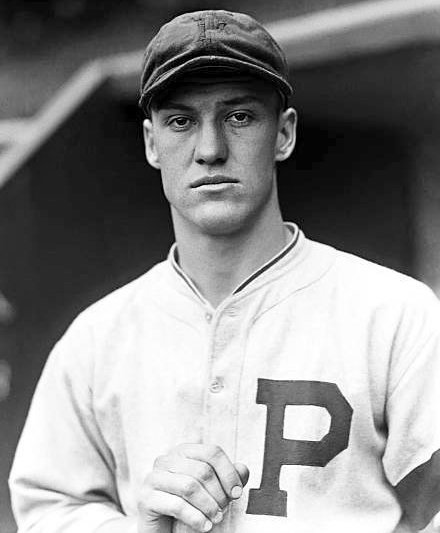
Arky Vaughan’s MLB career is a story of quiet greatness and exceptional talent. From his early days as a promising prospect to his emergence as one of the best shortstops in the history of the game, Vaughan consistently delivered performances that set him apart from his peers. His .318 career batting average, .406 on-base percentage, and nine All-Star selections are testaments to his skill and dedication.
While Vaughan may not have received the same level of attention as some of his contemporaries, his contributions to the game of baseball are no less significant. He was a player who let his performance on the field speak for itself, and his legacy continues to inspire fans and players alike. Arky Vaughan’s place in the Baseball Hall of Fame is a fitting tribute to a career defined by excellence, consistency, and an unwavering commitment to the sport he loved.



 The Baseball Scholar
Leave a comment