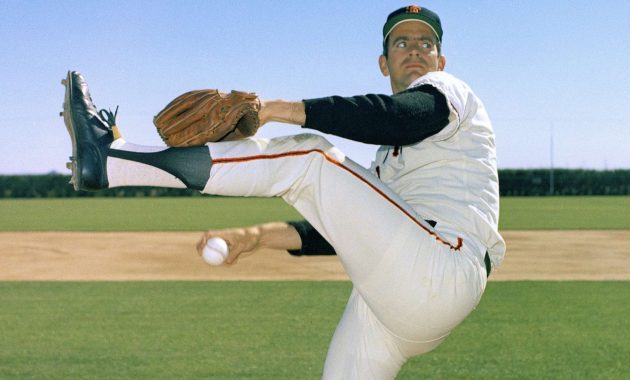
Gaylord Perry, one of baseball’s most enigmatic and accomplished pitchers, was an individual whose career spanned more than two decades. Known for his mastery of the mound and his alleged use of the spitball—a pitch officially outlawed years before his debut—Perry carved a niche as both a consummate competitor and a controversial figure in Major League Baseball history. Over his illustrious career, Perry amassed an impressive statistical record, earning recognition as one of the game’s most durable and effective pitchers. Beyond the numbers, Perry’s career offers a compelling narrative of ingenuity, perseverance, and a deep understanding of the art of pitching.
Gaylord Perry was born on September 15, 1938, in Williamston, North Carolina. Raised on a farm, Perry grew up in a family that valued hard work, discipline, and teamwork. These traits would later define his approach to baseball and life. Gaylord and his older brother, Jim Perry, shared a passion for the game, often playing together in the fields of their rural community. Both brothers eventually found their way to the major leagues, making them one of the most successful sibling duos in baseball history.
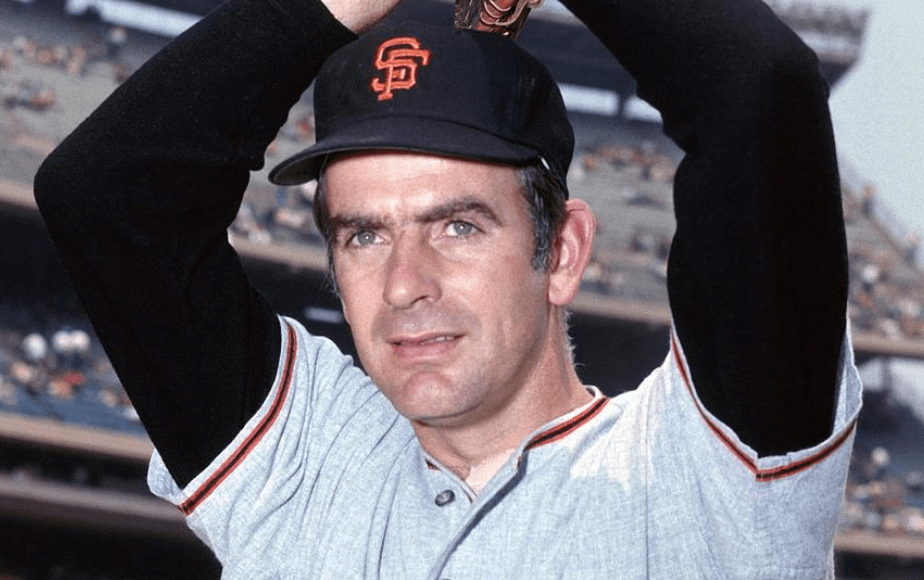
Gaylord attended Williamston High School, where his talent for baseball began to shine. Under the guidance of his high school coach, Perry developed the foundation of his pitching mechanics and began to draw attention for his strong arm and competitive spirit. After high school, he attended Campbell College (now Campbell University) for a brief period before signing with the San Francisco Giants in 1958 as an amateur free agent.
Perry’s journey to the major leagues was not immediate. He spent several years honing his craft in the minor leagues, where he developed the stamina and repertoire that would define his career. By the time he made his MLB debut with the San Francisco Giants in 1962, Perry had already begun experimenting with a wide variety of pitches, showcasing his ability to adapt and innovate on the mound.
Initially, Perry struggled to establish himself as a consistent starter, often being used as a reliever. However, his breakthrough came in 1964, when he was inserted into the Giants’ starting rotation. That season marked the beginning of Perry’s transformation into one of the league’s most reliable and durable starters. His control, intelligence, and ability to deceive hitters began to set him apart, even as he continued to refine his signature pitches.
Gaylord Perry’s career is replete with moments that underscore his dominance and longevity. One of his most remarkable seasons came in 1972, when he was traded to the Cleveland Indians. In his first year with the team, Perry won the American League Cy Young Award, becoming the first pitcher in history to win the award in both leagues—a feat he later achieved again in 1978 with the San Diego Padres.
In 1972, Perry posted a 24-16 record with a 1.92 ERA, leading the league in wins and complete games. His ability to consistently pitch deep into games was a testament to his work ethic and understanding of the craft. The durability and effectiveness he displayed throughout the season exemplified the qualities that made him one of the most respected pitchers of his era.

Perry’s longevity is another defining feature of his career. He pitched 22 seasons in the majors, retiring at the age of 44 with 314 wins, 3,534 strikeouts, and a 3.11 career ERA. At the time of his retirement, Perry was one of only 15 pitchers to achieve the milestone of 300 wins. His strikeout total ranked among the highest in history, further cementing his status as a pitching legend.
Throughout his career, Perry was known for his ability to adapt to different teams and circumstances. He played for eight franchises, including the Giants, Indians, Texas Rangers, Padres, and Seattle Mariners. Despite changing environments and advancing age, Perry remained remarkably consistent, a testament to his professionalism and skill.
While Gaylord Perry’s achievements on the field are undeniable, his career is also remembered for the controversy surrounding his alleged use of the spitball. The spitball, a pitch that relies on altering the ball’s surface to create unpredictable movement, was officially banned in 1920. However, Perry was often accused of using the pitch, a claim he neither fully confirmed nor denied during his playing days.
Perry’s reputation as a master of deception became part of his mystique. He was known to touch various parts of his body—his cap, his uniform, his hair—before delivering a pitch, leading batters to believe he was doctoring the ball. Whether or not he actually threw illegal pitches, the mere suggestion unsettled hitters and gave Perry a psychological edge.
In his autobiography, Me and the Spitter, Perry candidly discussed his experimentation with the pitch, further fueling the controversy. However, it is important to note that Perry’s success was not solely reliant on any one tactic. His exceptional control, mental toughness, and deep understanding of pitching mechanics were the true foundations of his greatness.

Gaylord Perry’s career is filled with memorable anecdotes that highlight his personality and competitive spirit. One of the most famous stories involves Perry’s first major league home run. Perry was not known for his hitting, and his manager, Alvin Dark, once joked that a man would land on the moon before Perry hit a home run. On July 20, 1969, just hours after the Apollo 11 moon landing, Perry hit his first and only career home run, proving that sometimes, truth is stranger than fiction.
Another notable moment came during Perry’s time with the Texas Rangers. On May 6, 1982, at the age of 43, he earned his 300th career win in a complete game against the New York Yankees. The milestone was a testament to his endurance and unwavering commitment to excellence.
Gaylord Perry’s impact on baseball extends beyond his statistical achievements. His career serves as a masterclass in adaptability, resilience, and the art of pitching. Perry’s ability to thrive in different eras, adjust to new teams, and outwit hitters showcased the intellectual side of baseball, emphasizing strategy and mental acuity as much as physical talent.
Perry also played a role in demystifying the mechanics of pitching. His openness about the spitball, while controversial, shed light on the creative ways pitchers attempt to gain an edge. His career invites ongoing discussions about the boundaries of fair play and the evolving rules of the game.
Perry’s influence is evident in the generations of pitchers who followed him. His dedication to preparation, focus on control, and use of psychological tactics have inspired countless players. Additionally, his achievements have solidified his place as a standard-bearer for longevity and sustained excellence in baseball.

Gaylord Perry’s MLB career is a rich tapestry of talent, controversy, and unrelenting determination. With 314 wins, 3,534 strikeouts, and a legacy that includes two Cy Young Awards, Perry stands among the greatest pitchers in baseball history. His alleged use of the spitball and his ability to thrive in the face of scrutiny only add layers to his fascinating story.
Perry’s career is a reminder of the complexities and nuances of baseball—a game where skill, strategy, and psychology intersect. His impact on the sport continues to be felt, ensuring that his name will be remembered for generations to come. Gaylord Perry was not just a great pitcher; he was a symbol of the ingenuity and passion that make baseball the timeless game it is today.



 The Baseball Scholar
Leave a comment