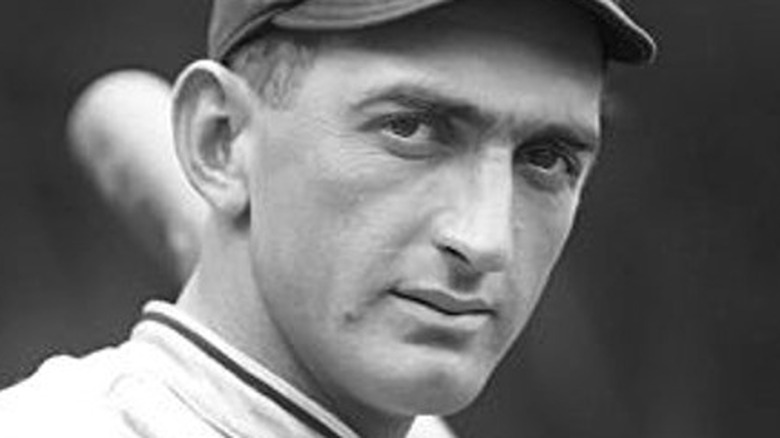
Joe Jackson, often known by his nickname “Shoeless Joe,” occupies a unique place in the history of Major League Baseball. His name evokes both admiration for his remarkable talent and a sense of melancholy over his complicated legacy. Despite being banned from baseball following the infamous 1919 Black Sox Scandal, Jackson’s impact on the game, his statistical achievements, and his extraordinary skill remain a subject of fascination. His story is one of triumph, controversy, and an enduring love for the game that he played with unmatched passion.
Joseph Jefferson Jackson was born on July 16, 1887, in Pickens County, South Carolina. The son of a poor mill worker, Jackson grew up in a large family that struggled to make ends meet. He began working in a textile mill as a child, a life of hard labor that shaped his character and work ethic. Baseball offered a respite from the grueling conditions of the mill, and Jackson quickly developed a reputation as a natural talent on the local sandlots.
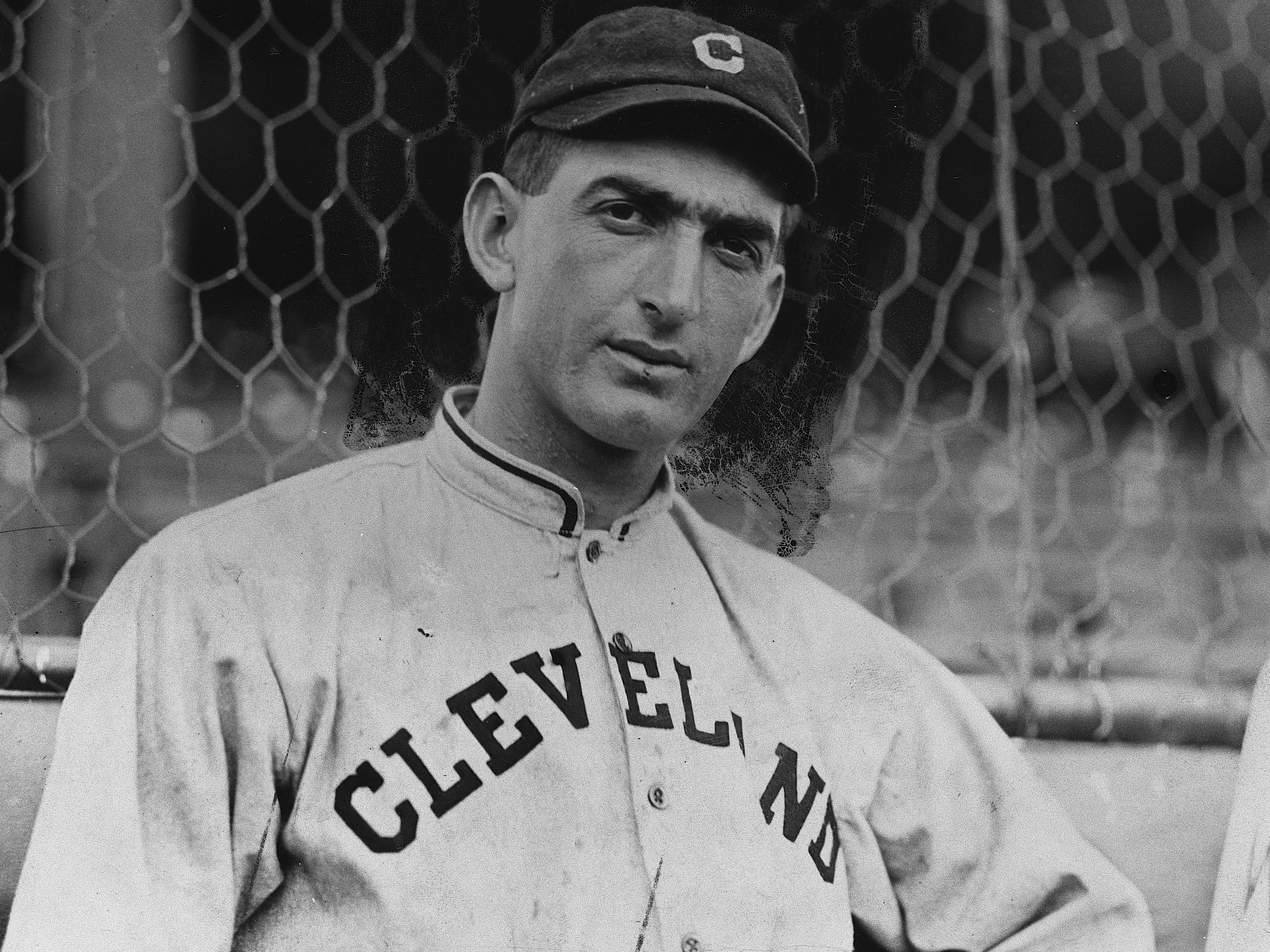
Jackson earned the nickname “Shoeless Joe” during an amateur game when he removed his tight, blister-causing shoes and played barefoot. The moniker stuck and became synonymous with his baseball identity. Despite his lack of formal education—Jackson was illiterate throughout his life—his talent for baseball was undeniable. He excelled as a hitter, fielder, and base runner, showcasing an intuitive understanding of the game.
At 13, Jackson joined a local mill team and quickly became its star player. His performance attracted the attention of scouts, and in 1908, he signed his first professional contract with the Greenville Spinners, a minor league team. From there, Jackson’s meteoric rise through the baseball ranks began.
Joe Jackson’s professional career officially began in 1908 when he signed with the Greenville Spinners. His performance in the minors was so exceptional that it caught the attention of the Philadelphia Athletics, who purchased his contract later that year. Jackson made his Major League debut on August 25, 1908, at the age of 21. However, his early years in the majors were marked by limited playing time and struggles to adapt to life in the big leagues.
In 1910, Jackson was traded to the Cleveland Naps (later the Indians), a move that proved transformative for his career. With Cleveland, Jackson found a team that valued his abilities and gave him the opportunity to play regularly. His first full season in the majors, 1911, remains one of the greatest rookie campaigns in baseball history. Jackson batted an astonishing .408, setting a rookie record for batting average that still stands today. He also collected 233 hits, scored 126 runs, and demonstrated his prowess as a hitter with remarkable power and precision.
Jackson’s 1911 season established him as one of the best players in the game. His swing, described as “the sweetest in baseball,” became legendary. Opponents and teammates alike marveled at his ability to drive the ball with both power and consistency.

Joe Jackson’s career was filled with moments of dominance that showcased his extraordinary talent. From 1911 to 1919, Jackson was consistently among the league leaders in batting average, hits, and other offensive categories. His lifetime batting average of .356 ranks as the third-highest in MLB history, trailing only Ty Cobb and Rogers Hornsby.
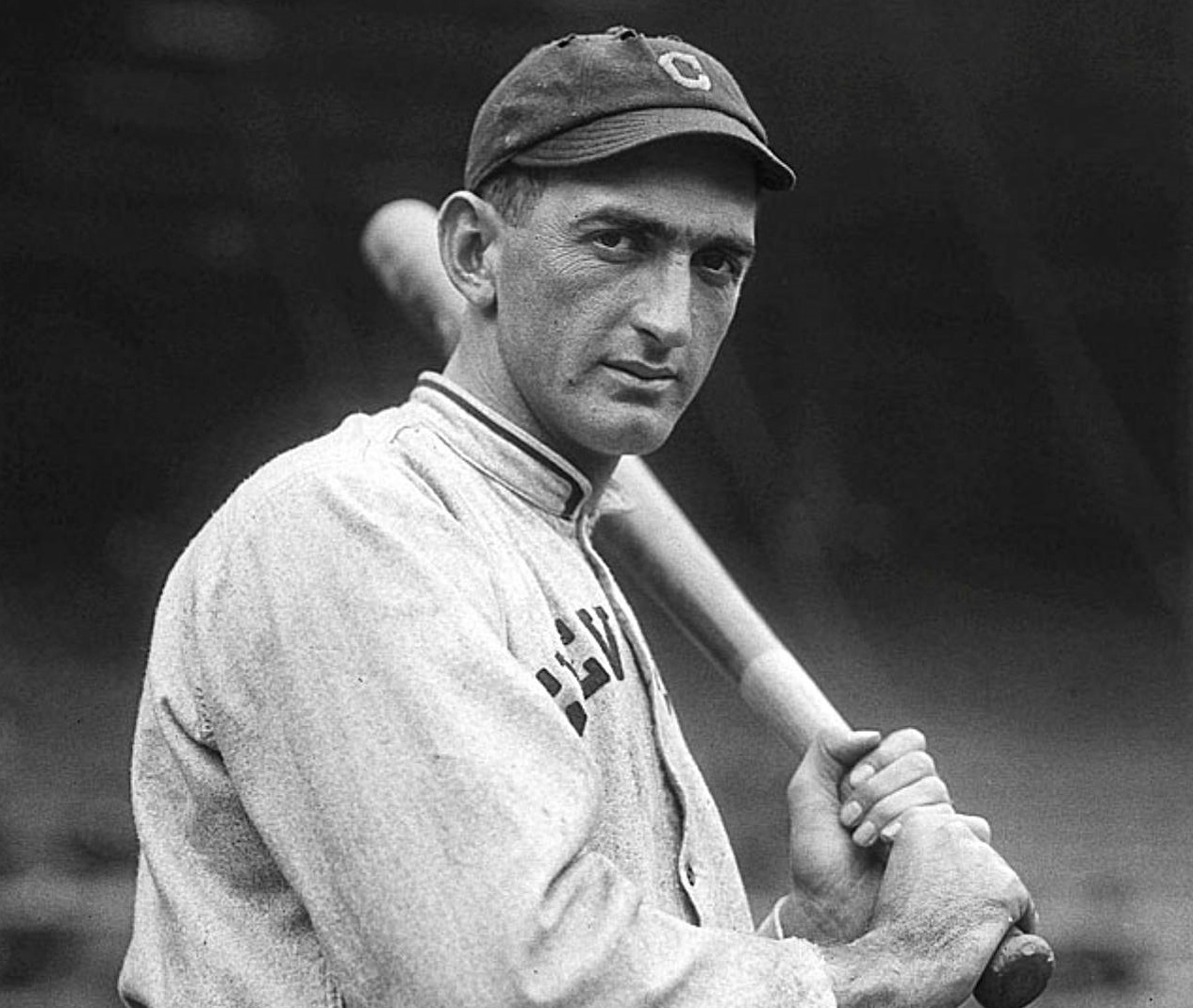
Jackson’s hitting was characterized by a combination of power and finesse. He led the American League in triples on three occasions and regularly ranked among the leaders in doubles, home runs, and total bases. His ability to hit for both average and power made him a formidable opponent and a perennial MVP candidate during his prime.
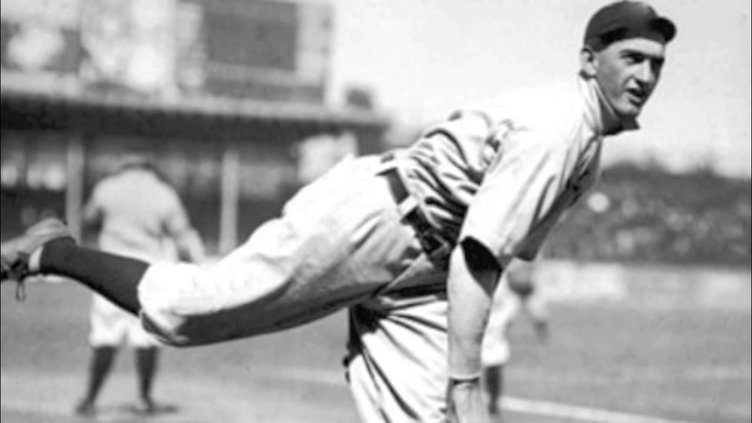
In addition to his hitting, Jackson was an excellent fielder. Playing primarily in the outfield, he possessed a strong arm and an instinctive ability to read fly balls. His defensive skills added to his overall value as a player, making him one of the most well-rounded stars of his era.
One of Jackson’s most remarkable seasons came in 1913, when he batted .373, hit 197 hits, and drove in 83 runs. His performance helped solidify his reputation as one of the greatest hitters of all time. Over his 13-year career, Jackson compiled 1,772 hits, 54 home runs, 792 RBIs, and 168 triples.
Despite his remarkable achievements on the field, Joe Jackson’s career and legacy are overshadowed by the events of the 1919 World Series. That year, Jackson was a member of the Chicago White Sox, a team widely regarded as one of the most talented in baseball. However, the White Sox were plagued by internal discord and dissatisfaction with team owner Charles Comiskey, who was known for underpaying his players.
During the 1919 World Series, a group of White Sox players conspired to throw the championship in exchange for money from gamblers. Jackson was accused of participating in the scheme, although his role remains a subject of debate. He batted .375 during the series, hit the only home run, and did not commit an error, leading some to question whether he actively participated in the fix.
In 1920, Jackson and seven other players were banned from baseball for life by Commissioner Kenesaw Mountain Landis, despite being acquitted in a court of law. The ban ended Jackson’s career prematurely, robbing him of the opportunity to further cement his place among baseball’s all-time greats.
The Black Sox Scandal marked a turning point in baseball history, leading to the establishment of the commissioner’s office and stricter enforcement of rules to protect the integrity of the game. While Jackson’s involvement in the scandal remains controversial, his legacy as a player is secure.
Joe Jackson’s influence on the game extends beyond his statistics. He was a trailblazer in the art of hitting, demonstrating the importance of a balanced approach that combined power and precision. His swing became a model for generations of players, and his nickname “Shoeless Joe” has become a symbol of baseball’s romanticized past.
Jackson’s story has been immortalized in literature and film, most notably in W.P. Kinsella’s novel Shoeless Joe and its film adaptation, Field of Dreams. These works have helped to keep Jackson’s memory alive, presenting him as a tragic figure whose love for the game transcended the scandal that ended his career.
Joe Jackson’s MLB career is a story of unparalleled talent, remarkable achievements, and enduring controversy. Despite the shadow cast by the Black Sox Scandal, Jackson’s impact on the game of baseball is undeniable. His .356 lifetime batting average, his extraordinary skill as a hitter and fielder, and his contributions to the sport have earned him a place among the greatest players in history.
Jackson’s legacy serves as a reminder of the complexities of human nature and the enduring power of redemption. While his career was cut short, his love for baseball and his remarkable talent continue to inspire fans and players alike. Joe Jackson remains a symbol of both the beauty and the imperfections of America’s pastime.


 The Baseball Scholar
Leave a comment