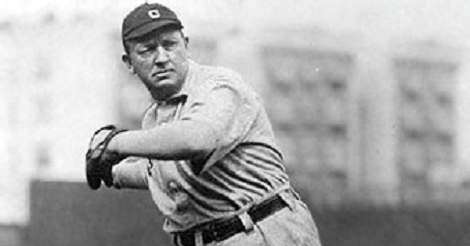
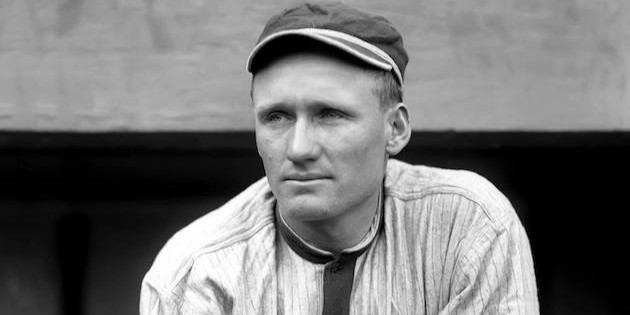
The name Cy Young is synonymous with excellence in pitching, a legacy so enduring that the most prestigious award for pitchers in Major League Baseball bears his name. Denton True “Cy” Young, born on March 29, 1867, in Gilmore, Ohio, remains a towering figure in the history of baseball. His career, which spanned more than two decades from 1890 to 1911, set the foundation for what would become the modern era of pitching. With an unmatched record of durability, skill, and dominance, Cy Young’s impact on the game goes beyond statistics, as he helped shape the sport during its formative years and established benchmarks that still serve as points of reference for future generations.
Cy Young grew up on a farm in rural Ohio, where his life revolved around hard work and perseverance. His upbringing instilled in him the values of discipline and determination that would later define his baseball career. He developed a strong arm while working on the family farm, and it was his ability to throw with remarkable speed and precision that initially caught the attention of local baseball enthusiasts.

Young’s introduction to organized baseball came in semi-professional leagues, where he played for local teams while honing his craft. He adopted the nickname “Cy,” short for “Cyclone,” due to the powerful speed of his pitches, which reportedly destroyed catcher’s mitts and earned admiration from spectators and teammates alike. His reputation grew quickly, and it wasn’t long before he attracted the attention of professional scouts.
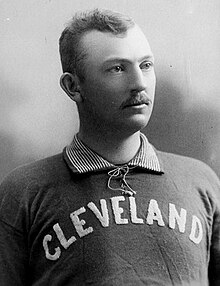
In 1890, Young signed with the Cleveland Spiders of the National League, marking the beginning of an extraordinary professional career. He made his major league debut on August 6, 1890, pitching a three-hit victory against the Chicago Colts. From the outset, Young demonstrated remarkable control and poise on the mound, qualities that would come to define his style.
In his rookie season, Young posted a 9-7 record with a 3.47 ERA, a promising start that foreshadowed his future dominance. Over the next few years, he established himself as one of the premier pitchers in the league. His ability to consistently locate his pitches and mix speeds made him a nightmare for opposing hitters. Unlike many power pitchers of his era, Young relied on precision and strategy, rarely walking batters and demonstrating an early mastery of the art of pitching.
Cy Young’s dominance reached new heights in the mid-1890s. He became the ace of the Cleveland Spiders’ pitching staff, leading the league in various statistical categories. In 1892, Young won a career-high 36 games, a feat that underscored his unparalleled durability and effectiveness. He also led the league in innings pitched that year, logging 453 innings—a testament to the endurance required of pitchers in an era when they were often expected to throw complete games every outing.
One of Young’s defining traits was his remarkable consistency. From 1891 to 1901, he posted double-digit win totals every season, frequently leading the league in victories. His ability to stay healthy and maintain peak performance over such a long period was rare, even in an era when pitchers dominated the game. Young’s reliability became a cornerstone for the teams he played for, as managers and teammates alike could count on him to deliver quality starts.
After spending nine seasons with the Cleveland Spiders, Young joined the St. Louis Perfectos (later known as the Cardinals) in 1899. The move marked a new chapter in his career, but his dominance remained unchanged. In his first season with St. Louis, Young won 26 games and posted a 2.58 ERA. His presence on the mound gave the team a legitimate chance to win every time he pitched, and his leadership qualities elevated the performance of his teammates.

During his tenure with St. Louis, Young continued to refine his craft. He introduced new pitches into his repertoire, including a curveball, which complemented his already devastating fastball. This evolution in his pitching style allowed him to remain effective even as hitters began to adapt to his tendencies.
In 1901, Cy Young made a historic decision to join the newly formed American League, signing with the Boston Americans (later known as the Red Sox). The move was significant, as it helped legitimize the fledgling league and brought greater attention to its competition. Young’s arrival in Boston coincided with the peak of his career, as he continued to dominate opposing hitters while setting records that still stand today.
The 1901 season was particularly remarkable for Young. He won 33 games, led the league with a 1.62 ERA, and recorded 158 strikeouts. His performance was instrumental in establishing the Boston Americans as one of the premier teams in the league. Over the next several years, Young continued to excel, setting benchmarks for pitching that seemed almost superhuman.
Perhaps the most iconic moment of Young’s career came on May 5, 1904, when he pitched the first perfect game in the modern era of baseball against the Philadelphia Athletics. The achievement was a testament to Young’s control, composure, and ability to perform under pressure. The perfect game remains one of the most celebrated accomplishments in baseball history, and it further solidified Young’s reputation as one of the greatest pitchers of all time.
Cy Young’s career statistics are staggering, even by the standards of his era. Over the course of 22 seasons, he compiled a record of 511 wins against 315 losses, a feat that is unlikely to ever be surpassed. His 511 victories remain the most in MLB history, a record that stands as a testament to his durability, consistency, and skill.
Young also holds the record for most complete games, with 749, and innings pitched, with 7,356. These numbers reflect the demands placed on pitchers during his era, as well as his unparalleled ability to meet those demands. He led the league in wins five times, ERA twice, and strikeouts twice, showcasing his versatility and dominance in multiple aspects of pitching.
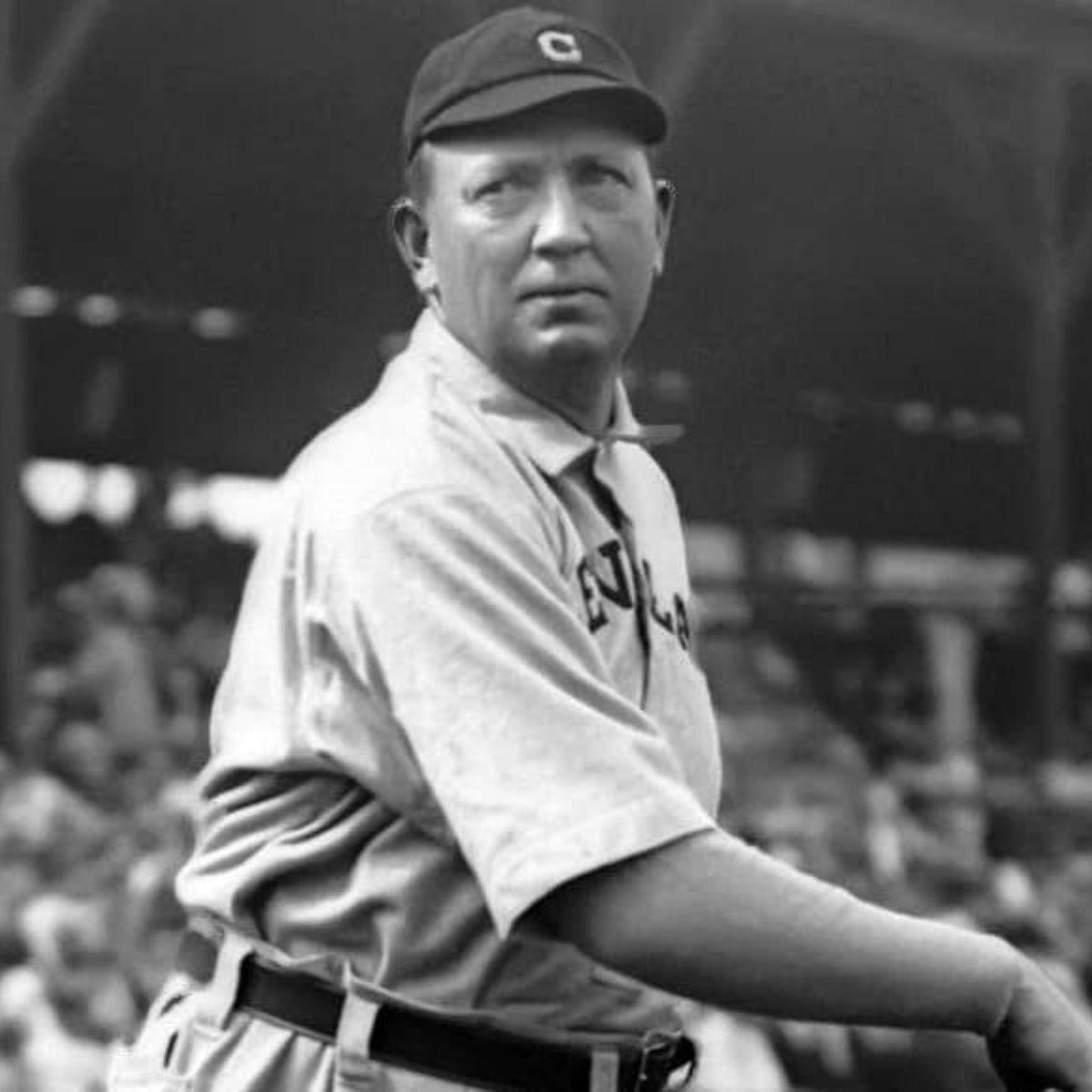
Despite the high workload, Young maintained remarkable control throughout his career. He walked only 1,217 batters in over 7,000 innings, a testament to his precision and ability to limit mistakes. His career WHIP (walks plus hits per inning pitched) of 1.13 underscores his effectiveness at keeping runners off base.
Cy Young’s impact on baseball extends far beyond his statistical achievements. As one of the game’s earliest stars, he helped popularize baseball during a period of rapid growth and transformation. His success brought credibility to the American League and played a pivotal role in its establishment as a legitimate competitor to the National League.
Young’s longevity and durability set a standard for future generations of pitchers. His ability to consistently perform at an elite level over two decades is a benchmark that few have approached. Moreover, his emphasis on control and strategy influenced the way pitchers approached the game, shifting the focus from raw power to a more cerebral and calculated style of pitching.
The creation of the Cy Young Award in 1956, nearly half a century after his retirement, is a testament to his enduring legacy. The award, given annually to the best pitcher in each league, ensures that Young’s name remains synonymous with excellence in pitching. It serves as a reminder of his contributions to the game and the high standards he set for future generations.
Cy Young was known not only for his on-field achievements but also for his humble and unassuming personality. Despite his fame, he remained grounded and approachable, earning the respect and admiration of teammates, opponents, and fans alike. His work ethic and dedication to the game were unmatched, and he often spoke about his love for baseball and the joy it brought him.
Young’s influence extended beyond the baseball diamond. He was a mentor to younger players, sharing his knowledge and experience to help them improve their skills. His leadership and sportsmanship set an example for others to follow, and he became a beloved figure in the baseball community.
The career of Cy Young is a story of unparalleled achievement and enduring impact. From his humble beginnings in rural Ohio to his record-breaking performances on the mound, Young’s journey reflects his dedication, skill, and love for the game. His statistical achievements, including 511 wins, 749 complete games, and a perfect game, remain benchmarks of excellence that continue to inspire players and fans alike.
Cy Young’s legacy is immortalized not only in the records he set but also in the award that bears his name, a symbol of greatness in pitching. His contributions to baseball helped shape the sport during its formative years and established standards that endure to this day. As one of the greatest pitchers in history, Cy Young’s name will forever be synonymous with the art of pitching and the timeless allure of baseball.


 The Baseball Scholar
Leave a comment