
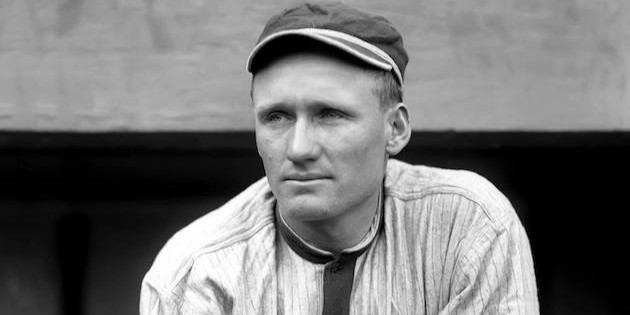
Mel Ott, one of the most celebrated figures in Major League Baseball (MLB) history, was a trailblazer and a prodigious talent whose career left an indelible mark on the game. Playing his entire 22-season career with the New York Giants from 1926 to 1947, Ott became synonymous with excellence, sportsmanship, and innovation. Renowned for his powerful yet compact swing and his exceptional ability to drive in runs, Ott’s achievements both on and off the field continue to resonate in the baseball world.
Melvin Thomas Ott was born on March 2, 1909, in Gretna, Louisiana, a small town near New Orleans. From an early age, Ott displayed an extraordinary aptitude for baseball, earning recognition for his hitting ability and strong arm. Encouraged by his talent, he joined a local semi-professional team as a teenager and quickly caught the attention of talent scouts.
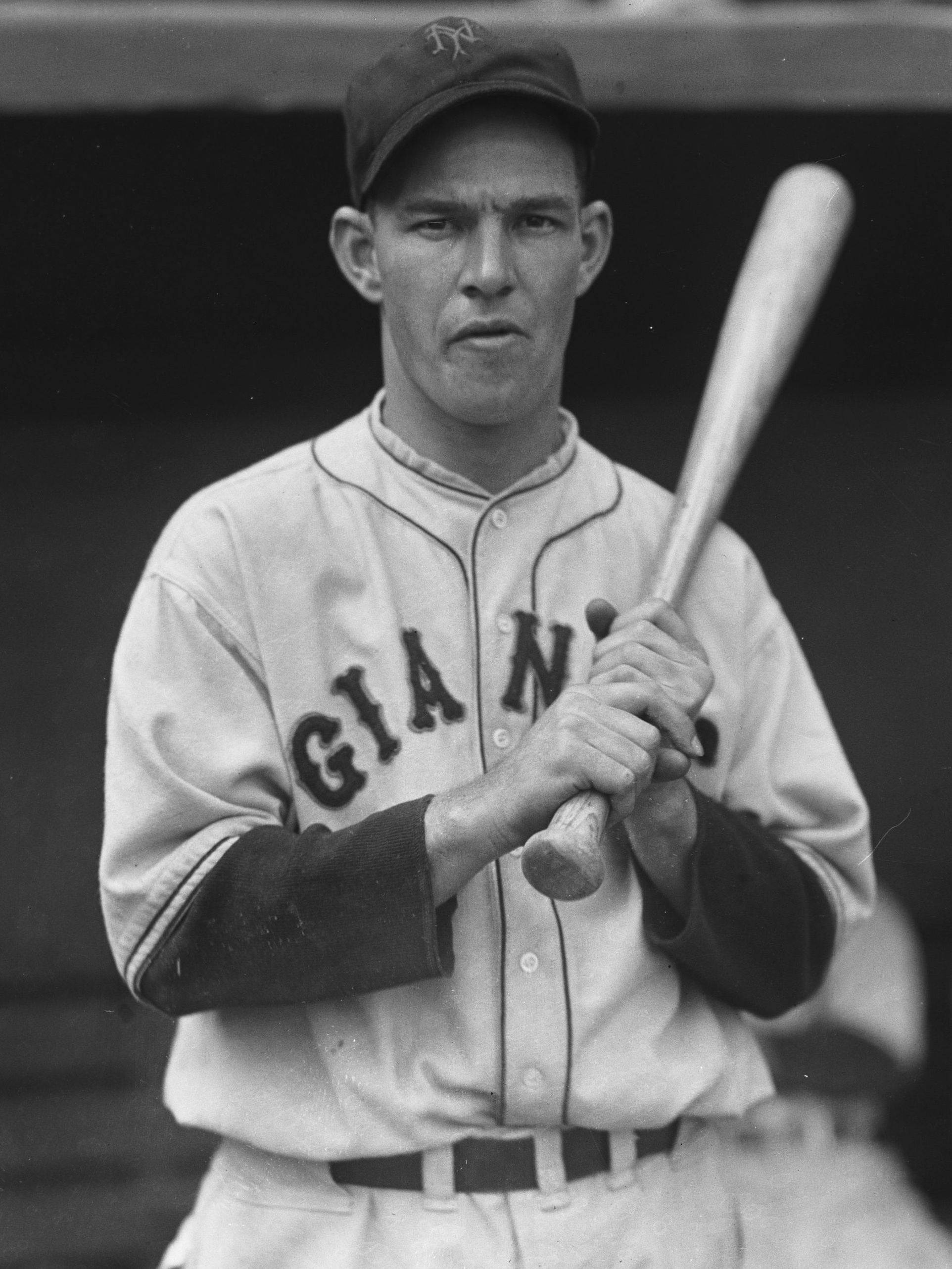
At the age of 16, Ott signed with the New York Giants, bypassing the traditional minor league route. Under the guidance of legendary manager John McGraw, Ott began his MLB career in 1926. Despite his youth and limited experience, McGraw recognized Ott’s potential and provided him with opportunities to develop at the major league level. By the late 1920s, Ott had established himself as a key player for the Giants, showcasing a hitting prowess that would define his career.
Mel Ott’s statistical achievements are a testament to his consistency and excellence as a hitter. Over his 22 seasons, he amassed 2,876 hits, 511 home runs, and 1,860 RBIs, with a career batting average of .304. Ott’s ability to combine power and average made him one of the most feared hitters of his era. He became the first National League player to reach 500 career home runs, a milestone that underscored his status as a pioneer in power hitting.
Ott led the National League in home runs six times (1932, 1934, 1936-1938, 1942) and was a 12-time All-Star, further cementing his reputation as one of the premier players of his generation. His home run total of 511 remained the National League record until 1966 and stood as a benchmark of excellence for decades. Ott’s ability to hit for power was complemented by his exceptional plate discipline; he led the league in walks six times and retired with an impressive on-base percentage of .414.
In addition to his offensive accomplishments, Ott was a reliable defender, primarily playing right field. While his defensive metrics may not stand out compared to his offensive achievements, he was a steady presence in the outfield and a leader on the field.
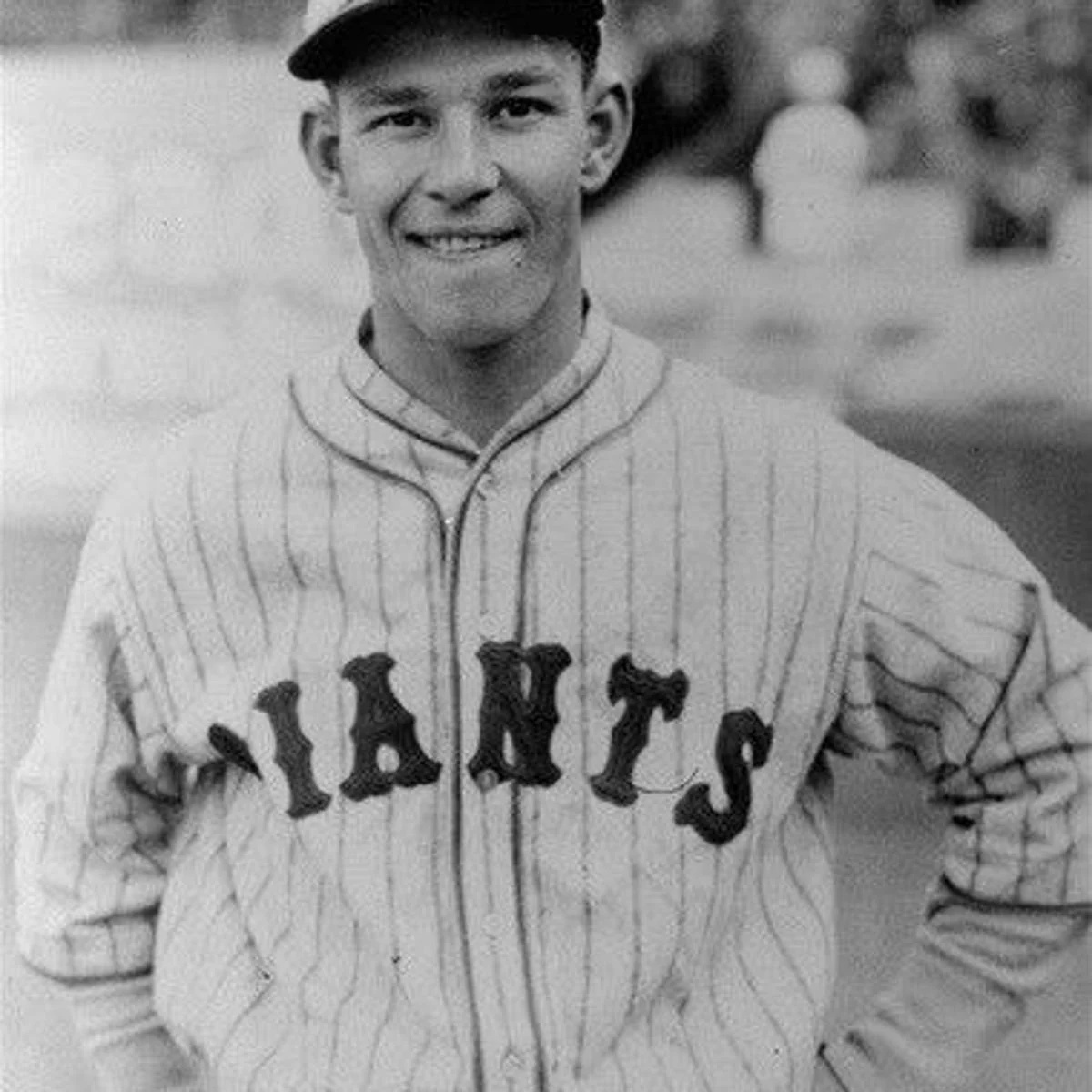
Mel Ott’s impact on baseball extends far beyond his impressive statistics. As one of the premier sluggers of the 1930s and 1940s, Ott played a pivotal role in popularizing the power-hitting approach that would become a hallmark of modern baseball. His compact swing, tailored to the short dimensions of the Polo Grounds’ right-field porch, demonstrated the importance of adapting one’s style to the ballpark and situation, a concept that has influenced hitters for generations.
Ott’s loyalty to the New York Giants, for whom he played his entire career, made him a beloved figure among fans. His leadership qualities and sportsmanship earned him the respect of teammates and opponents alike. Following his playing career, Ott transitioned to managing the Giants, further solidifying his legacy within the organization.
Off the field, Ott was known for his humility and approachability, traits that endeared him to fans and helped promote the game of baseball during a transformative era. His contributions to the sport were recognized with his induction into the Baseball Hall of Fame in 1951, an honor that celebrated his extraordinary career and lasting influence.
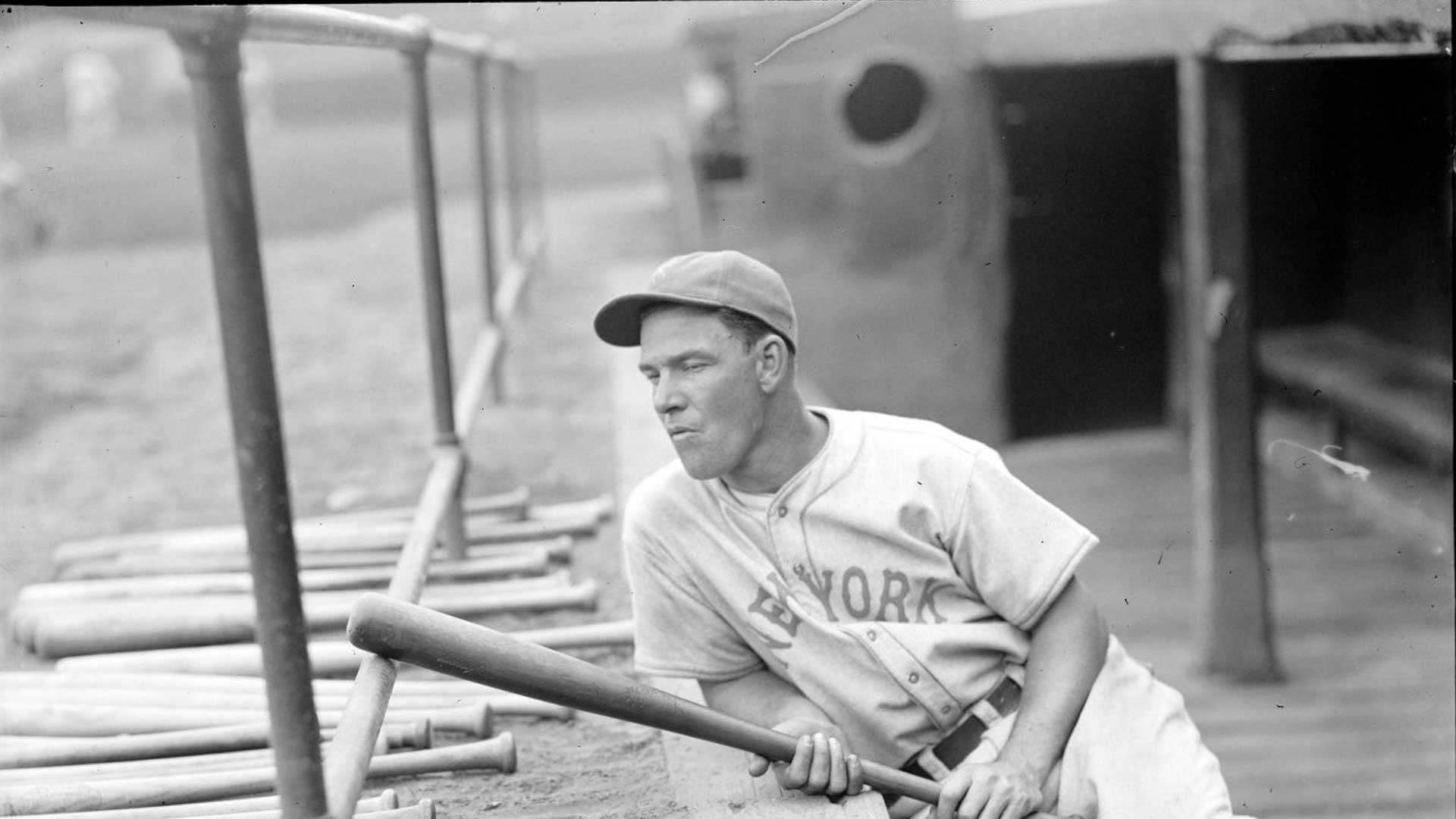
Mel Ott’s career is a shining example of what can be achieved through talent, hard work, and a deep love for the game. His remarkable statistics, including 511 home runs and 1,860 RBIs, place him among the all-time greats, while his impact on the sport continues to be felt. As a pioneer of power hitting, a loyal Giant, and a revered figure in baseball history, Ott’s legacy endures as a testament to his greatness. His contributions to the game, both as a player and as an ambassador, ensure that his name will forever be associated with the rich history of Major League Baseball.


 The Baseball Scholar
Leave a comment