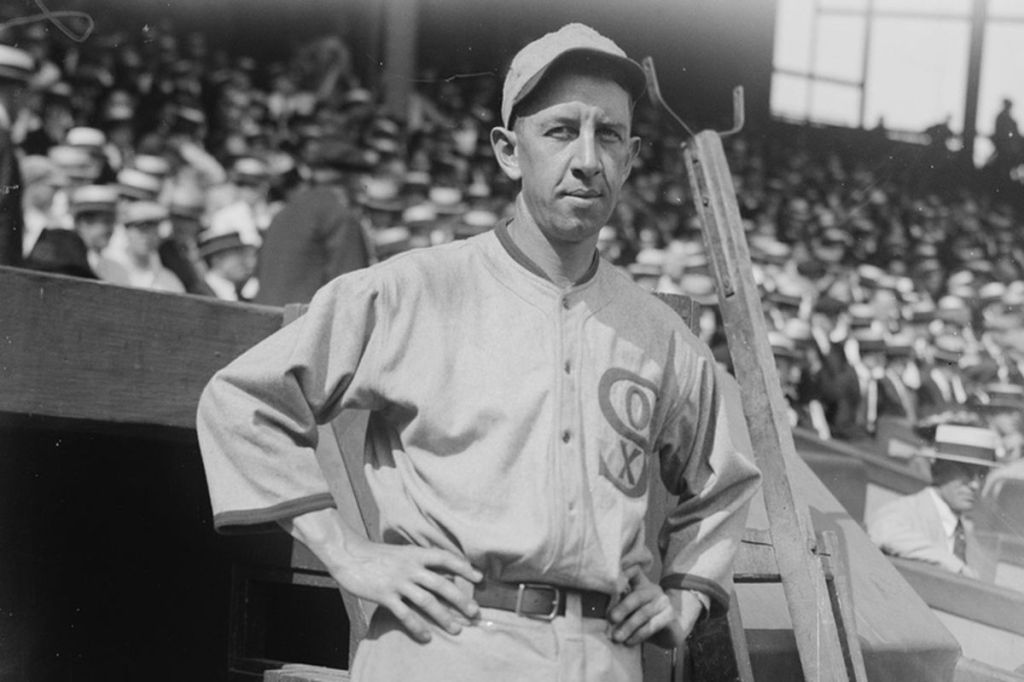
Eddie Collins, one of the greatest second basemen in Major League Baseball (MLB) history, stands as a paragon of consistency, intelligence, and athletic excellence. Born on May 2, 1887, in Millerton, New York, Collins’ career spanned 25 seasons from 1906 to 1930, during which he established himself as a dominant force both at the plate and in the field. Known for his exceptional baseball IQ, leadership skills, and consistent performance, Collins played a pivotal role in shaping the early success of two franchises: the Philadelphia Athletics and the Chicago White Sox. His remarkable statistics, accolades, and influence on the game have cemented his legacy as one of baseball’s most enduring figures.
Edward Trowbridge Collins Sr. grew up in a middle-class family and demonstrated an early affinity for sports, particularly baseball. He attended Columbia University, where his combination of academic rigor and athletic prowess set him apart. Collins played for Columbia’s baseball team and quickly gained attention for his skill and leadership on the diamond. His performance in college led to opportunities in professional baseball, and in 1906, Collins made his MLB debut with the Philadelphia Athletics.

Although his early years in the majors were marked by limited playing time, Collins’ talent was evident from the beginning. By 1909, he had secured a regular spot in the Athletics’ lineup, and it didn’t take long for him to become one of the most respected players in the game.
Eddie Collins’ MLB career is a masterclass in consistency and excellence. Over 25 seasons, he played in 2,826 games, amassing 3,315 hits, 1,821 runs scored, and 1,300 runs batted in (RBIs). His lifetime batting average of .333 ranks among the best in MLB history, and his ability to reach base made him one of the most valuable offensive players of his era. Collins’ career is characterized by several remarkable achievements that highlight his prowess as a hitter, baserunner, and fielder.
Collins’ ability to consistently produce at the plate was unparalleled. He recorded 14 seasons with a batting average over .300 and led the American League (AL) in on-base percentage (OBP) three times. His career OBP of .424 underscores his exceptional plate discipline and ability to draw walks, making him a constant threat to opposing pitchers. Collins’ approach at the plate was marked by a keen eye and a contact-oriented swing, allowing him to spray line drives across the field with ease.
One of Collins’ standout seasons came in 1914 when he posted a .344 batting average, a .452 OBP, and stole 58 bases. His combination of contact hitting and speed made him a key contributor to his team’s success, and his ability to adapt to different pitchers and situations was a hallmark of his career.
Eddie Collins’ speed and intelligence on the basepaths were legendary. He stole 744 bases during his career, ranking among the all-time leaders in MLB history. Collins was known not only for his raw speed but also for his ability to read pitchers and take advantage of defensive lapses. He led the AL in stolen bases four times, including a career-high 81 steals in 1910.
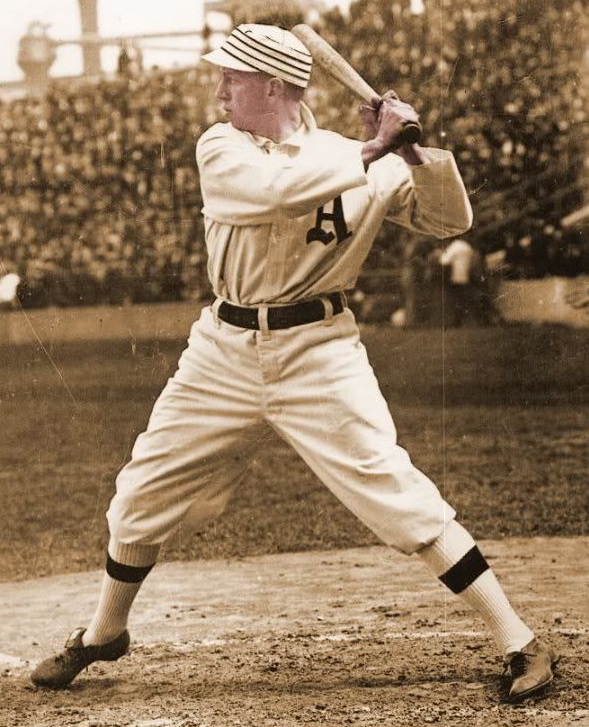
Collins’ base running was not limited to stealing bases; he was adept at taking extra bases on hits and scoring from seemingly impossible situations. His awareness and instincts made him a nightmare for opposing defenses, and his contributions on the basepaths often proved decisive in close games.
As a second baseman, Collins set the standard for defensive excellence. He possessed remarkable range, quick reflexes, and a strong, accurate arm. Collins led the league in assists and putouts multiple times during his career, reflecting his ability to handle the demanding responsibilities of his position. His defensive skills earned him widespread acclaim, and he remains one of the most celebrated fielders in the history of the game.
Collins was a central figure in one of the most dominant teams of the early 20th century, the Philadelphia Athletics. Under the management of Connie Mack, the Athletics won four AL pennants and three World Series titles (1910, 1911, and 1913) during Collins’ tenure. Collins’ leadership on the field and in the clubhouse was instrumental in these successes. His ability to perform under pressure and inspire his teammates made him a natural leader.
In 1915, Collins was traded to the Chicago White Sox, where he continued to excel. He played a crucial role in leading the White Sox to a World Series championship in 1917. Collins’ presence brought stability and professionalism to the team, and his contributions were vital to their success.
Eddie Collins’ impact on baseball extends far beyond his statistical achievements. As a player, he embodied the ideals of the sport: intelligence, effort, and integrity. His influence can be seen in several key areas:
Collins redefined the role of the second baseman, demonstrating that the position could be both defensively and offensively impactful. His ability to contribute in all facets of the game set a new standard for second basemen and inspired future generations of players. Collins’ combination of fielding prowess and offensive production remains a benchmark for the position.
Known for his sportsmanship and professionalism, Collins was a model of integrity during an era that saw its share of controversies. In the aftermath of the 1919 Black Sox scandal, in which several of his White Sox teammates were accused of intentionally losing the World Series, Collins’ reputation for honesty and dedication stood in stark contrast. He was never implicated in the scandal, and his commitment to the game’s ideals reinforced his status as one of baseball’s true gentlemen.
Collins’ place among the all-time greats is reflected in his statistical achievements. His 3,315 hits rank 11th on the all-time list, and his 744 stolen bases are sixth. He remains one of only a handful of players to achieve over 3,000 hits and 700 stolen bases, a testament to his unique combination of skill sets.
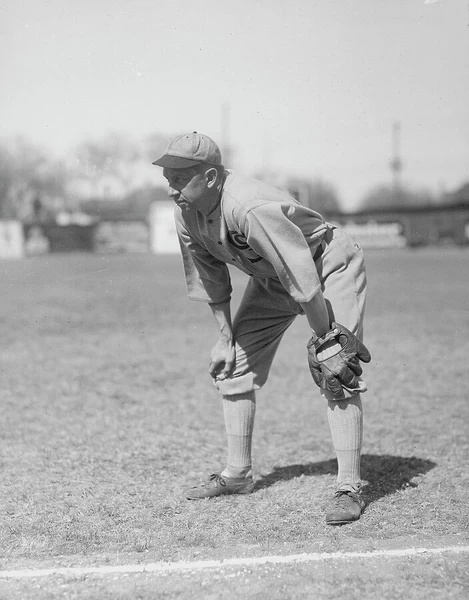
In 1939, Eddie Collins was inducted into the Baseball Hall of Fame as part of its fourth class of inductees. His selection was a foregone conclusion, as his career achievements and contributions to the sport were universally recognized. Collins’ induction helped to solidify his legacy and ensure that his name would be remembered alongside the greatest players in history.
Eddie Collins’ MLB career is a testament to the enduring power of talent, intelligence, and integrity. Over 25 seasons, he established himself as one of the most complete players the game has ever seen, excelling as a hitter, baserunner, and fielder. His leadership and professionalism set a standard for his peers and future generations, and his influence on the second base position remains profound. Collins’ legacy is not only measured in his remarkable statistics and accolades but also in the respect and admiration he earned from fans, teammates, and opponents alike. As one of baseball’s true legends, Eddie Collins’ contributions to the game will continue to be celebrated for generations to come.



 The Baseball Scholar
Leave a comment