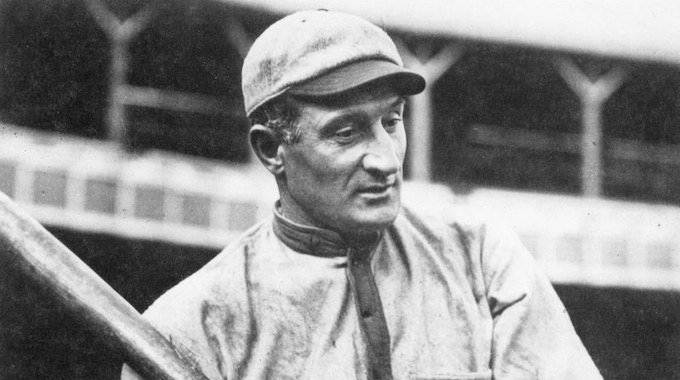
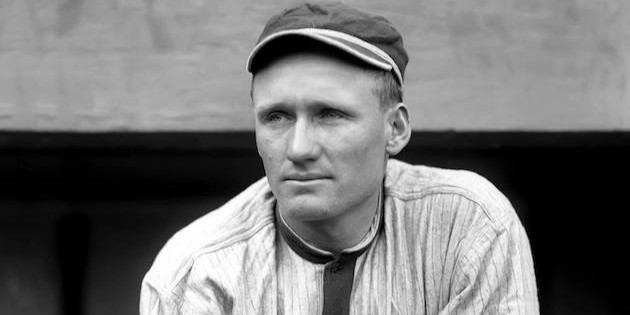
Honus Wagner, “The Flying Dutchman”, stands as one of the most iconic and revered figures in the history of Major League Baseball (MLB). Born on February 24, 1874, in Chartiers, Pennsylvania, Wagner’s career spanned from the late 19th century into the early 20th century, a transformative period for professional baseball. Over the course of his 21-season career from 1897 to 1917, Wagner set standards for excellence as a hitter, baserunner, and fielder, earning a place among the inaugural class of inductees into the Baseball Hall of Fame in 1936. His career statistics, accolades, and influence on the game have solidified his legacy as one of baseball’s all-time greats.
Johannes Peter Wagner was born into a large German immigrant family in western Pennsylvania. The son of miners, Wagner grew up in a working-class environment, and his physical strength and athleticism were evident from an early age. He left school at a young age to work in the coal mines, but his love for baseball was unyielding. Wagner and his brothers often played baseball in their spare time, and it was through these informal games that his talent began to shine.
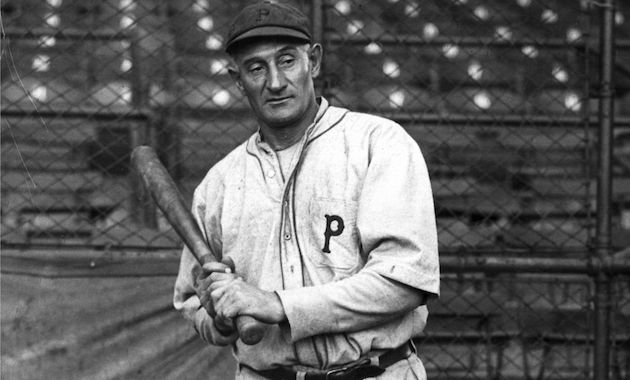
Wagner’s professional career began in 1895 when he played for semi-professional and minor league teams in Pennsylvania. His performances caught the attention of scouts, and by 1897, he made his major league debut with the Louisville Colonels of the National League (NL). When the Colonels folded after the 1899 season, Wagner was among several players transferred to the Pittsburgh Pirates, a move that would define his career.
Wagner’s career with the Pittsburgh Pirates is the stuff of legend. He quickly established himself as a dominant force, excelling in nearly every aspect of the game. Wagner’s unique combination of speed, power, and defensive prowess made him one of the most versatile players of his era. Over his career, Wagner played multiple positions but was best known as a shortstop, where his agility and strong arm set him apart.
At the plate, Wagner was a consistent and formidable hitter. He retired with a career batting average of .328, ranking among the best in MLB history. He collected 3,420 hits, 1,732 runs batted in (RBIs), and 1,739 runs scored. Wagner’s ability to hit for both average and power was unmatched during his era. He led the league in batting average eight times (1900, 1903, 1904, 1906–1909, 1911), a record that stood for decades and remains one of his most significant achievements.
Wagner also demonstrated extraordinary plate discipline and versatility. He led the league in on-base percentage (OBP) four times and in slugging percentage six times. His 651 career doubles and 252 triples rank among the all-time leaders, showcasing his ability to hit for extra bases. Wagner’s 101 career home runs may seem modest by modern standards, but in the dead-ball era, such power was rare and highly valued.
Wagner’s speed on the basepaths was another hallmark of his game. He stole 723 bases during his career, a testament to his intelligence and instincts as a baserunner. Wagner’s ability to take extra bases and disrupt opposing defenses made him a constant threat whenever he reached base. His aggressive baserunning style set the standard for players in an era when stealing bases was a critical component of offensive strategy.
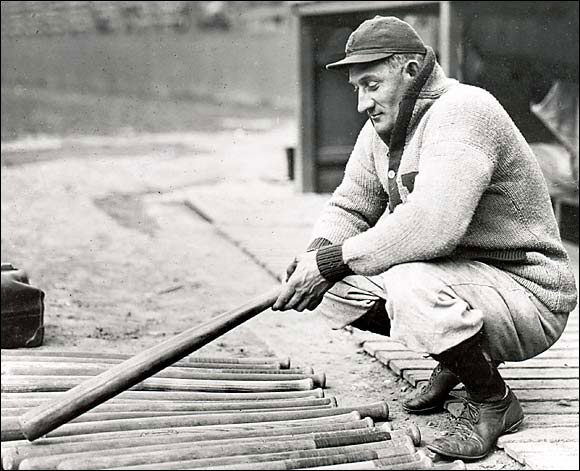
Defensively, Wagner was a marvel. As a shortstop, he was renowned for his range, arm strength, and sure-handedness. He led the league in assists and putouts multiple times, reflecting his ability to cover ground and make difficult plays look routine. Wagner’s defensive skills were so advanced that contemporaries often referred to him as the greatest shortstop of all time, a reputation that persists to this day.
Wagner was a cornerstone of the Pittsburgh Pirates during their most successful period in the early 20th century. The Pirates won the National League pennant in 1901, 1902, and 1903, and again in 1909, when they captured the franchise’s first World Series title. Wagner’s performance during the 1909 World Series against the Detroit Tigers was particularly noteworthy. He hit .333 with six RBIs and six stolen bases, outshining his rival, Ty Cobb, and leading the Pirates to a seven-game victory.
As a team leader, Wagner was respected for his work ethic and sportsmanship. Despite his immense talent, he was known for his humility and dedication to the game. Wagner’s leadership both on and off the field contributed to the Pirates’ sustained success during his tenure.
Honus Wagner’s impact on baseball extends far beyond his on-field achievements. In 1936, he was among the first five players inducted into the Baseball Hall of Fame, alongside Babe Ruth, Ty Cobb, Walter Johnson, and Christy Mathewson. Wagner received 95.1% of the vote, a reflection of his status as one of the game’s all-time greats. His induction helped to cement his legacy and introduced future generations to his remarkable career.
Wagner’s fame has also been immortalized through the T206 Honus Wagner baseball card, which is widely regarded as the most valuable and iconic sports card in history. The card’s rarity and connection to Wagner’s legendary status have made it a symbol of baseball’s rich history and a coveted artifact among collectors.
Wagner redefined the role of the shortstop, proving that the position could be both a defensive anchor and an offensive powerhouse. His combination of fielding excellence and offensive production set a standard for future generations of shortstops, inspiring players like Ernie Banks, Cal Ripken Jr., and Derek Jeter. Wagner’s legacy as a pioneer of the position remains an enduring aspect of his influence on the game.
Beyond his statistical achievements, Wagner was a symbol of baseball’s growing popularity in the early 20th century. As one of the game’s first superstars, he helped to elevate baseball to its status as America’s pastime. Wagner’s humble background and unassuming personality resonated with fans, making him a beloved figure in Pittsburgh and across the country.
Honus Wagner’s MLB career is a testament to the enduring power of talent, dedication, and sportsmanship. His extraordinary achievements as a hitter, fielder, and baserunner set him apart as one of the greatest players in the history of baseball. Wagner’s influence on the game, from redefining the shortstop position to inspiring future generations of players, ensures that his legacy will continue to be celebrated for years to come. As a Hall of Famer, a World Series champion, and a cultural icon, Wagner remains a central figure in the story of baseball, embodying the spirit of excellence that defines the sport.


 The Baseball Scholar
Leave a comment